
Moldy Bathroom Ceiling Stains Guide Part 1
Introduction
Dealing with a moldy bathroom ceiling can be frustrating, not to mention unsightly. Those dark, unsightly stains not only diminish the look of your bathroom but can also signify underlying moisture issues. In this guide, we’ll explore the causes of these stains, how to fix them, and how to prevent them from returning.
What Causes Stains?
Moldy ceiling stains are primarily caused by moisture and humidity. Bathrooms are often high-humidity environments due to showers and baths. The following factors contribute to mold growth:
1. Poor Ventilation: Lack of airflow allows moisture to linger.
2. Water Leaks: Roof leaks or plumbing issues can introduce additional moisture.
3. Condensation: Warm air from showers can condense on cooler surfaces.
4. Infrequent Cleaning: Dust and grime can accumulate, providing a breeding ground for mold.
Why This Problem Happens
The bathroom is one of the most humid areas in the home. When moisture levels rise and ventilation is lacking, mold spores can settle on surfaces and thrive. This creates unsightly stains that can spread if not addressed promptly.
Understanding the root causes helps homeowners recognize that prevention is just as important as remediation.
How to Fix Stains (Step-by-Step)
Step 1: Gather Your Supplies
Before starting the cleaning process, gather the following materials:
- Ladder or step stool
- Protective eyewear and mask
- Scrub brush or sponge
- Bucket
- Cleaning solution (options include vinegar, hydrogen peroxide, or commercial mold cleaners)
- Spray bottle
- Cloths or paper towels
- Primer and paint (if necessary)
- How to Use: Spray undiluted vinegar directly on the stain, let it sit, scrub, and rinse.
- How to Use: Use a 3% hydrogen peroxide solution. Spray, let it sit for 10 minutes, scrub, and rinse.
- How to Use: Follow manufacturer instructions for application and safety precautions.
Step 2: Prepare the Area
1. Clear the Bathroom: Remove any items from the area under the stains.
2. Ventilate: Open windows or turn on the exhaust fan to improve airflow.
Step 3: Apply the Cleaning Solution
1. Choose Your Cleaner: Vinegar is a natural option, while hydrogen peroxide is effective for tougher stains.
2. Spray the Affected Area: Generously apply your chosen cleaning solution to the stained area.
3. Let It Sit: Allow the solution to sit for at least 10-15 minutes to penetrate and kill mold spores.
Step 4: Scrub the Stains
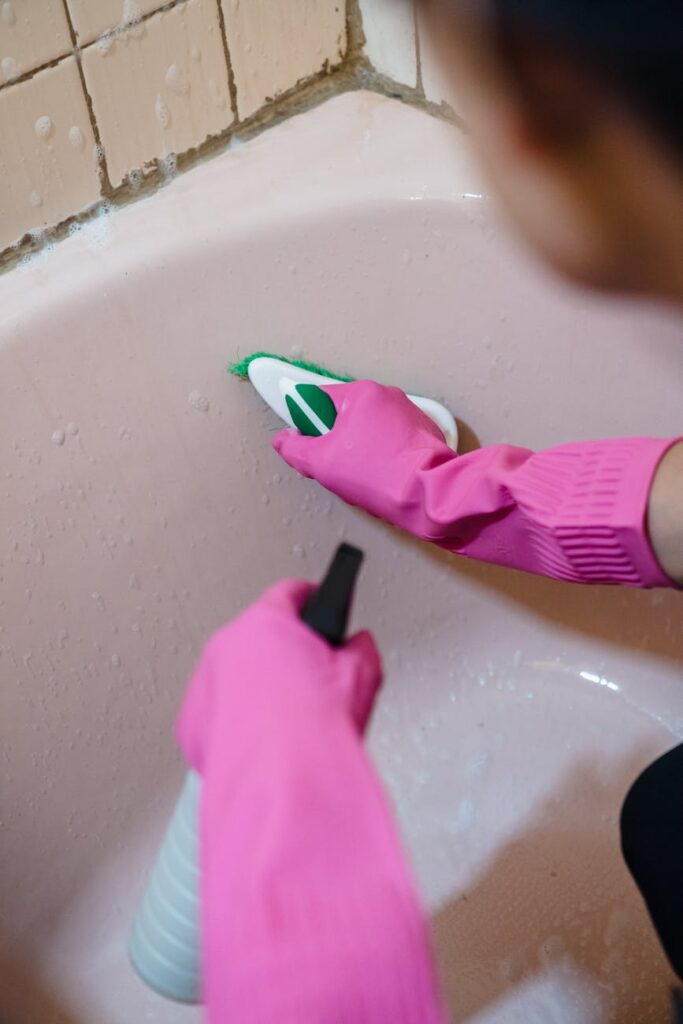
1. Use a Scrub Brush: Gently scrub the stained area with a brush or sponge.
2. Rinse: Wipe the area with a damp cloth to remove cleaner and mold residue.
Step 5: Dry the Area
1. Use a Dry Cloth: Wipe down the surface to remove excess moisture.
2. Improve Ventilation: Keep the bathroom well-ventilated to speed up drying.
Step 6: Assess the Damage
If the stains persist after cleaning, you may need to consider repainting the ceiling.
1. Prime the Area: Use a mold-resistant primer.
2. Paint: Apply a mold-resistant paint for added protection.
Best Cleaning Methods
Here are some effective cleaning methods to tackle moldy bathroom ceiling stains:
1. Vinegar
Vinegar is a natural, non-toxic solution that can effectively kill mold spores.
2. Hydrogen Peroxide
This is a stronger option that can eliminate tough stains.
3. Commercial Mold Cleaners
For severe cases, a commercial cleaner can be more effective.
Common Mistakes to Avoid
1. Skipping Safety Gear: Always wear protective eyewear and masks to avoid inhaling spores.
2. Using Bleach: While bleach may seem effective, it often doesn’t penetrate porous surfaces and can lead to regrowth.
3. Ignoring Ventilation: Failing to improve airflow can lead to recurring mold issues.
4. Not Addressing Underlying Issues: Clean stains without fixing leaks or ventilation problems will only lead to future problems.
Prevention Tips
1. Improve Ventilation: Install an exhaust fan or open windows during and after showers.
2. Regular Cleaning: Clean your bathroom regularly with vinegar or a mold-preventing cleaner.
3. Use a Dehumidifier: This can help control humidity levels in your bathroom.
4. Seal Grout and Caulk: Ensure that any grout or caulking is sealed properly to prevent moisture infiltration.
5. Fix Leaks Promptly: Address any plumbing or roof leaks immediately to prevent mold growth.
Frequently Asked Questions
1. How do I know if the stains are mold?
Mold stains are typically dark brown, black, or green and may have a fuzzy appearance. If you’re unsure, a quick test with a mold cleaner can help confirm.
2. Can I use bleach to clean moldy stains?
While bleach can kill mold on non-porous surfaces, it’s not effective on porous materials and can lead to regrowth. It’s better to use vinegar or hydrogen peroxide.
3. How often should I clean my bathroom to prevent mold?
Aim to clean your bathroom at least once a week, focusing on areas prone to moisture.
4. Is it safe to paint over mold stains?
No, always clean and treat mold stains before painting. Otherwise, the mold can continue to grow underneath the paint.
5. What should I do if mold keeps coming back?
Check for leaks, improve ventilation, and consider using mold-resistant paint. If the problem persists, consult a professional.
6. Can I use a steam cleaner on my bathroom ceiling?
Yes, a steam cleaner can be effective for removing mold stains without chemicals, but ensure the ceiling material can withstand moisture.
By following the guidelines in this article, you can tackle moldy bathroom ceiling stains effectively and keep your bathroom looking fresh and clean. Stay tuned for Part 2, where we’ll delve deeper into advanced prevention techniques!