
Moldy Bathroom Ceiling Odours Guide Part 1
Introduction
A moldy bathroom ceiling is more than just an eyesore; it often results in unpleasant odours that can permeate your entire home. Understanding how to tackle these odours is crucial for maintaining a fresh, clean environment. This guide will walk you through the causes, solutions, and prevention methods for dealing with odours stemming from a moldy bathroom ceiling.
What Causes Odours?
Odours in a moldy bathroom ceiling usually arise from the presence of mold and mildew. These fungi thrive in damp, poorly ventilated areas and produce volatile organic compounds (VOCs) that emit unpleasant smells. The primary culprits include:
- Moisture: Excess humidity creates an ideal environment for mold growth.
- Organic Material: Dust, hair, and soap scum can provide nutrients for mold.
- Poor Ventilation: Lack of airflow exacerbates the problem, trapping moisture and odour.
- Humidity Levels: Bathrooms are naturally humid spaces due to showers and baths. If not properly ventilated, moisture accumulates.
- Leaky Pipes: Water leaks can lead to mold growth on ceilings and walls.
- Infrequent Cleaning: Neglecting regular cleaning allows mold and mildew to flourish.
- Protective gloves and a mask
- A ladder or step stool
- Soft-bristle brush or sponge
- Bucket
- Cleaning solution (see Best Cleaning Methods)
- Spray bottle
- Cloths for drying
- Vinegar Solution: Mix equal parts of white vinegar and water.
- Bleach Solution: Mix one cup of bleach with one gallon of water (do not mix with ammonia).
- Commercial Mold Cleaner: Follow the manufacturer’s instructions.
- Ignoring Safety Gear: Always wear gloves and a mask. Mold spores can be harmful when inhaled.
- Using Hot Water: Hot water can spread the spores rather than kill them. Use cool or lukewarm water.
- Neglecting Ventilation: Don’t skip this step—proper airflow is crucial for drying and preventing future growth.
- Not Testing Solutions: Always test cleaning solutions on a small, inconspicuous area to avoid surface damage.
- Install Exhaust Fans: Use fans that vent outside to help reduce humidity.
- Open Windows: When possible, open windows during and after showers.
- Weekly Maintenance: Clean the bathroom weekly to prevent mold build-up.
- Use Mold-Resistant Products: Consider using mold-resistant paint and materials.
- Dehumidifiers: Invest in a dehumidifier to maintain humidity levels below 50%.
- Fix Leaks: Regularly check for leaks in pipes and faucets, and repair them promptly.
Why This Problem Happens
Understanding why these odours develop is key to addressing them effectively:
By recognizing these factors, you can take proactive steps to eliminate and prevent odours in your bathroom.
How to Fix Odours (Step-by-Step)
Eliminating odours from a moldy bathroom ceiling requires a systematic approach. Follow these steps:
Step 1: Gather Your Supplies
You’ll need:
Step 2: Assess the Area
Inspect the ceiling to determine the extent of the mold growth. If it covers a large area (greater than 10 square feet), consider consulting professionals.
Step 3: Prepare the Cleaning Solution
For effective cleaning, use one of the following solutions:
Step 4: Apply the Solution
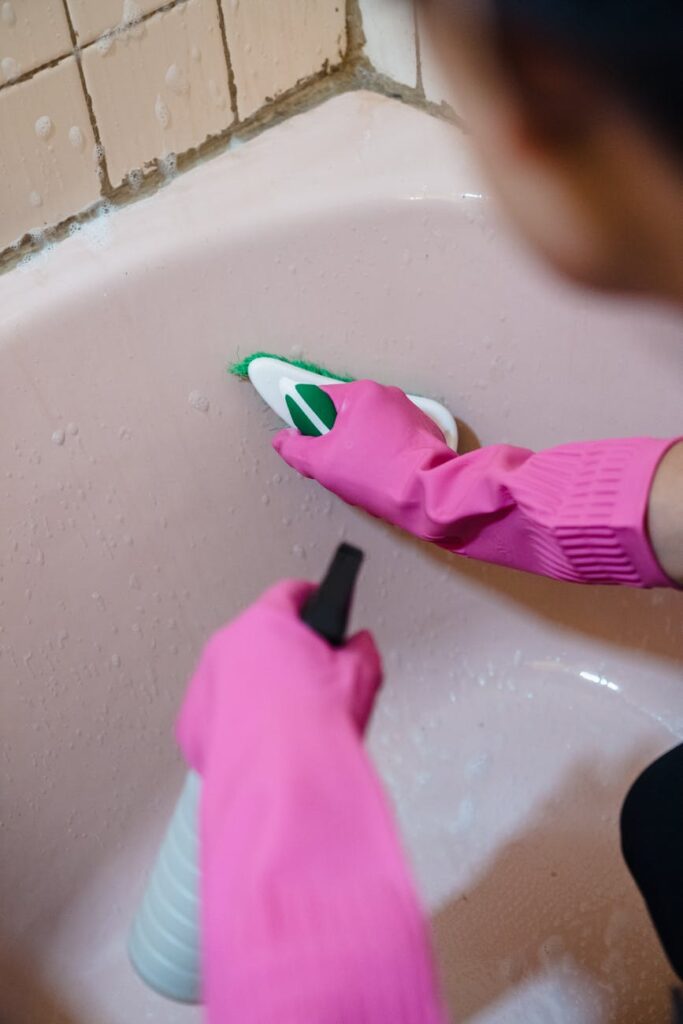
1. Safety First: Wear gloves and a mask.
2. Spray the Solution: Generously spray the affected area.
3. Let It Sit: Allow the solution to sit for 10–15 minutes to penetrate the mold.
Step 5: Scrub the Area
Using a soft-bristle brush or sponge, scrub the ceiling gently. This will remove the mold and any accumulated dirt.
Step 6: Rinse and Dry
Wipe the area with a clean cloth dampened in fresh water. Ensure the ceiling dries completely to prevent future mold growth.
Step 7: Ventilate the Bathroom
Open windows and doors, or use a fan to increase airflow. This helps reduce humidity levels.
Best Cleaning Methods
Different methods can be effective against mold-induced odours:
1. Vinegar
Vinegar is a natural mold killer and deodorizer. It’s eco-friendly and safe for most surfaces.
2. Baking Soda
Baking soda is excellent for absorbing odours. You can create a paste with water and apply it to the affected area.
3. Hydrogen Peroxide
A 3% hydrogen peroxide solution can also be effective against mold. Spray it onto the surface and let it sit for a few minutes before scrubbing.
4. Commercial Mold Cleaners
These products are specifically designed for tough mold problems and often contain powerful ingredients. Follow the product instructions closely.
Common Mistakes to Avoid
When dealing with moldy bathroom ceiling odours, avoid these pitfalls:
Prevention Tips
Preventing odours from returning is just as important as eliminating them:
1. Improve Ventilation
2. Regular Cleaning
3. Control Humidity
Frequently Asked Questions
1. How can I tell if I have mold on my ceiling?
Look for discoloration, black spots, or a musty smell. If you suspect mold, conduct a simple moisture test using a hygrometer.
2. Can I paint over moldy ceilings?
No, painting over mold will only cover it up. It must be cleaned and removed before painting.
3. How often should I clean my bathroom to prevent mold?
Aim for weekly cleaning, focusing on high-humidity areas like the shower and ceiling.
4. Is bleach effective against mold?
Yes, bleach can kill mold on non-porous surfaces. However, it doesn’t prevent future growth and should be used with caution.
5. Can I use store-bought air fresheners to mask mold odours?
While they may temporarily mask the smell, they do not address the underlying mold problem and can sometimes worsen air quality.
6. Do I need professional help for severe mold issues?
If the affected area is large (over 10 square feet) or if you have health concerns, consult a professional mold remediation service.
By following the steps outlined in this guide, you can effectively tackle odours caused by a moldy bathroom ceiling and keep your bathroom fresh and clean. Stay proactive, and you’ll prevent future problems from arising.