
Moldy Bathroom Ceiling Laundry Guide Part 2
Introduction
A moldy bathroom ceiling can be a frustrating issue for any homeowner, especially when it affects your laundry. The moisture from washing clothes and drying them can contribute to mold growth if not addressed properly. This guide will provide practical solutions to clean and prevent mold in your bathroom ceiling and ensure your laundry routine remains effective and hygienic.
What Causes Laundry?
Laundry can inadvertently contribute to a moldy bathroom ceiling in several ways:
1. High Humidity: Washing clothes generates steam, which increases humidity in the bathroom.
2. Inadequate Ventilation: Poor airflow allows moisture to linger, creating an ideal environment for mold.
3. Water Leaks: Dampness from leaks can exacerbate mold growth, especially if you wash clothes frequently.
4. Wet Items: Leaving damp clothes in the bathroom can also introduce moisture.
Understanding these factors is crucial to addressing the issue effectively.
Why This Problem Happens
The bathroom is often a confined space with limited airflow, making it prone to mold growth. When you do laundry, the steam from hot water and the moisture from damp clothes can cling to surfaces. Over time, if not managed, this moisture can lead to mold spores settling on the ceiling. Other contributing factors include:
- Temperature Fluctuations: Warm air can hold more moisture, and when it cools, condensation can occur.
- Poor Cleaning Habits: Neglecting to clean the bathroom regularly allows mold to develop unnoticed.
- Material Choice: Certain paints and ceiling materials are more susceptible to mold than others.
- Ladder or step stool
- Cleaning solution (bleach, vinegar, or commercial mold remover)
- Spray bottle
- Scrub brush or sponge
- Protective gloves
- Mask (optional)
- Clean cloths or towels
- Pros: Highly effective at killing mold and mildew.
- Cons: Can be harsh on surfaces and releases strong fumes.
- Pros: Natural, non-toxic, and effective against mold.
- Cons: May require more frequent applications.
- Pros: Formulated specifically for mold removal, often with built-in antifungal properties.
- Cons: Can be more expensive and may contain chemicals.
Recognizing these causes helps in choosing the right cleaning methods and preventive measures.
How to Fix Laundry (Step-by-Step)
If you find mold on your bathroom ceiling, follow these steps to clean it effectively:
Step 1: Gather Supplies
Ensure you have everything you need:
Step 2: Prepare the Area
1. Clear the Space: Remove any items that might obstruct your cleaning efforts.
2. Turn Off the Electricity: If there’s a ceiling light, turn off the power to avoid any electrical hazards.
3. Ventilate the Bathroom: Open windows and doors to allow fresh air in.
Step 3: Apply the Cleaning Solution
1. Mix Your Cleaner: If using bleach, mix one cup of bleach with a gallon of water. For vinegar, use it undiluted or mix with water.
2. Spray the Affected Area: Generously apply the solution to the moldy spots on the ceiling.
3. Let It Sit: Allow the cleaner to sit for 10-15 minutes to penetrate the mold.
Step 4: Scrub the Mold
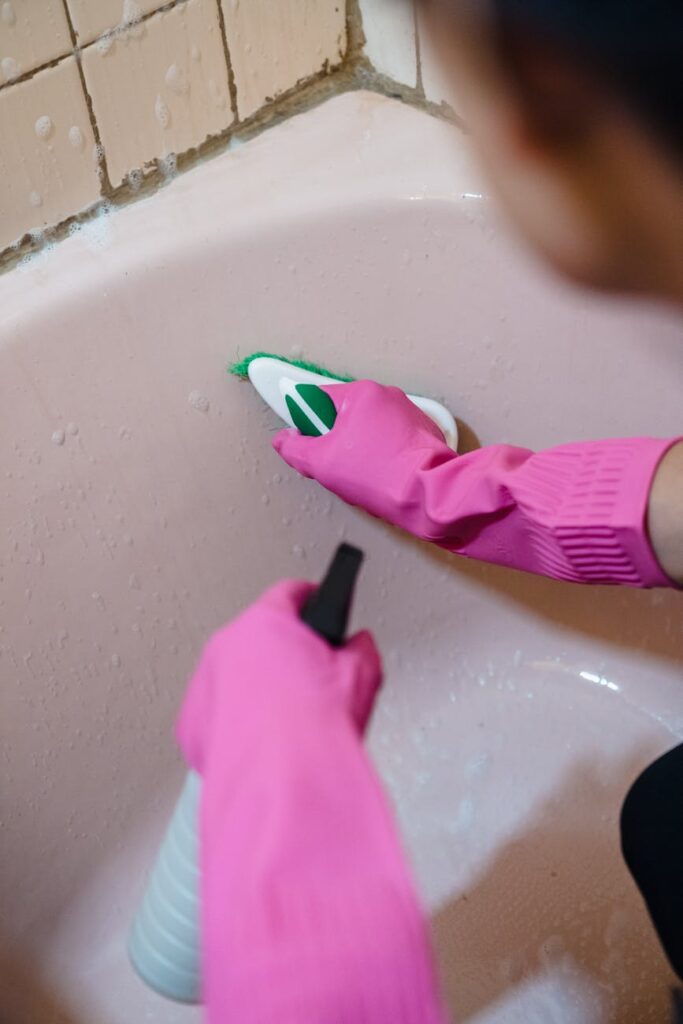
1. Use Your Scrub Brush: Gently scrub the moldy areas. Be thorough, but avoid damaging the ceiling.
2. Wipe Away Residue: Use a clean cloth to wipe away any remaining cleaning solution.
Step 5: Rinse and Dry
1. Rinse the Area: Use a damp cloth to remove any leftover cleaner.
2. Dry Thoroughly: Use fans or open windows to ensure the area dries completely. This step is crucial to prevent mold from returning.
Best Cleaning Methods
Bleach Solution
Vinegar Solution
Commercial Mold Removers
Choose the method that best fits your preferences and cleaning needs.
Common Mistakes to Avoid
1. Ignoring the Problem: Small mold spots can quickly spread if not addressed promptly.
2. Using Inappropriate Cleaners: Avoid using products not designed for mold removal, as they may be ineffective.
3. Not Allowing Enough Drying Time: Failing to dry the area properly can lead to quicker mold regrowth.
4. Neglecting Ventilation: Always ensure proper ventilation during and after cleaning to reduce humidity.
Prevention Tips
1. Improve Ventilation: Install an exhaust fan or keep windows open to reduce humidity levels.
2. Use Dehumidifiers: These can significantly lower moisture levels in the bathroom.
3. Regular Cleaning: Clean your bathroom ceiling regularly to catch mold before it spreads.
4. Dry Laundry Promptly: Avoid leaving damp clothes in the bathroom; dry them immediately or use a dryer.
5. Seal Leaks: Regularly check for and repair any leaks that may contribute to dampness.
Frequently Asked Questions
1. How often should I clean my bathroom ceiling for mold?
Aim to clean your bathroom ceiling every 3-6 months, or more frequently if you notice mold growth.
2. Can I prevent mold without using chemicals?
Yes, using natural solutions like vinegar and maintaining good ventilation can help prevent mold growth without harsh chemicals.
3. Is it safe to use bleach on painted ceilings?
While bleach is effective, it can damage painted surfaces. Always test a small area first and consider using a gentler cleaner if you’re concerned.
4. What should I do if mold keeps returning?
If mold persists, check for underlying moisture issues, improve ventilation, and consider consulting a professional for thorough inspection.
5. Will mold on the ceiling affect my laundry?
Yes, mold in your bathroom can lead to musty odors and cross-contamination with your laundry, impacting its cleanliness.
6. Can I use a pressure washer to clean the ceiling?
Using a pressure washer is not recommended for indoor ceilings, as it can cause water damage and may worsen mold issues.
By following these practical steps and tips, you can effectively tackle the issue of a moldy bathroom ceiling and keep your laundry routine clean and hygienic.