
Moldy Bathroom Ceiling Kitchen Guide Part 1
Introduction
A moldy bathroom ceiling can be an eyesore and a health hazard. While it’s often viewed as a bathroom issue, kitchens can experience mold growth too, especially if they share ventilation with the bathroom or lack proper airflow. In this guide, we’ll explore the causes, solutions, and preventive measures to tackle this common problem effectively.
What Causes Kitchen Mold?
Mold thrives in damp, warm environments. Common factors contributing to mold growth in kitchens include:
1. High Humidity: Cooking generates steam, which can lead to increased moisture levels.
2. Poor Ventilation: Lack of airflow can trap moisture in the kitchen and adjoining areas.
3. Leaks and Water Damage: Leaky pipes or appliances can create damp spots.
4. Condensation: If your kitchen is cold compared to the bathroom, condensation can occur, leading to mold.
Understanding these causes helps you address the root of the problem rather than just the symptoms.
Why This Problem Happens
Mold growth can occur when the conditions are right. In kitchens, steam from cooking can raise humidity levels. If this moisture isn’t adequately vented out, it can settle on surfaces, including ceilings. If the kitchen shares air with a bathroom that’s not well ventilated, the moisture can transfer, creating an ideal environment for mold to grow.
Additionally, leaks from plumbing or appliances can lead to persistent dampness in the kitchen, making it easier for mold to establish itself.
How to Fix Kitchen Mold (Step-by-Step)
Step 1: Gather Your Supplies
Before you start cleaning, gather the following:
- Rubber gloves
- A mask (to avoid inhaling spores)
- A bucket
- Water
- Dish soap or a mild detergent
- White vinegar or a mold removal spray
- Scrub brush or sponge
- Towels
- Vinegar Solution: Effective for light mold and mildew. Its acidity helps kill mold spores without harsh chemicals.
- Baking Soda Paste: Mix baking soda with water to form a paste. Apply it to the moldy area, let it dry, and scrub away.
- Hydrogen Peroxide: A 3% hydrogen peroxide solution can be sprayed directly on mold. Leave it for 10 minutes before scrubbing.
Step 2: Assess the Area
Check the entire ceiling for mold. Look for discoloration or black spots. Identify if there are leaks or areas that may need repairs before cleaning.
Step 3: Prepare the Cleaning Solution
If using vinegar, mix equal parts white vinegar and water in a spray bottle. If you prefer a commercial mold cleaner, follow the manufacturer’s instructions.
Step 4: Apply the Cleaner
Spray the affected areas generously with your cleaning solution. Let it sit for 10-15 minutes to penetrate the mold.
Step 5: Scrub the Area
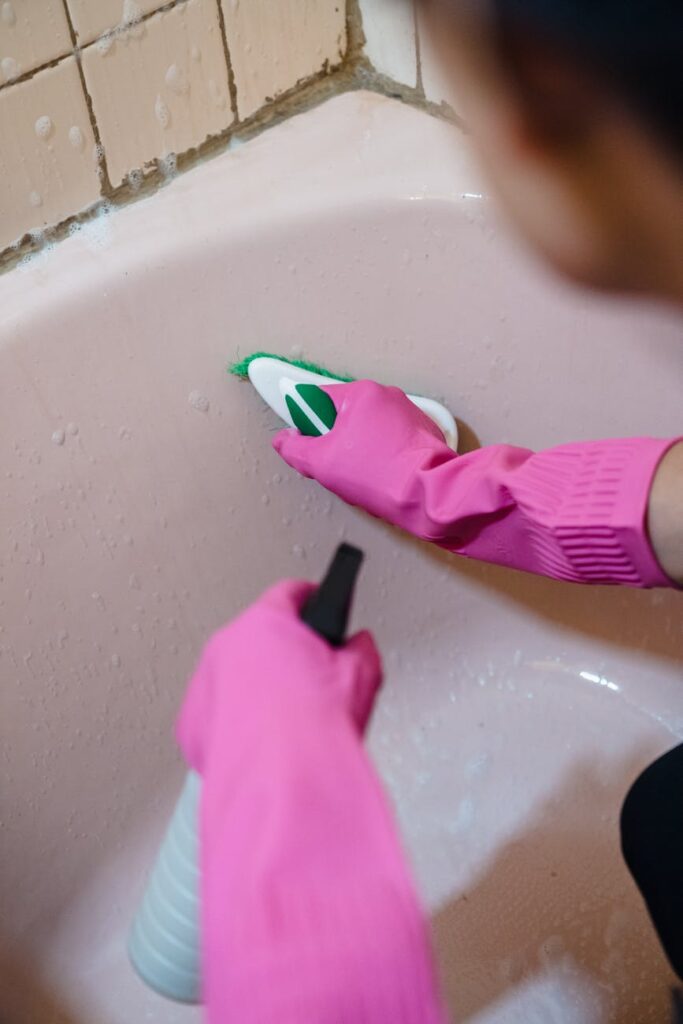
Using a scrub brush or sponge, scrub the moldy area thoroughly. Be sure to wear gloves and a mask during this step to protect yourself from mold spores.
Step 6: Rinse and Dry
After scrubbing, rinse the area with clean water using a damp cloth. Ensure it’s thoroughly dried afterward. Use a fan or open windows to enhance airflow and speed up the drying process.
Step 7: Inspect for Damage
Check for any structural damage to the ceiling. If you see signs of water damage or if mold returns quickly, consider calling a professional.
Best Cleaning Methods
Common Mistakes to Avoid
1. Ignoring Leaks: Failing to fix leaks will lead to recurring mold problems.
2. Using a Weak Solution: Diluting cleaning agents too much can render them ineffective.
3. Not Ventilating During Cleaning: Ensure proper ventilation to avoid inhaling mold spores during cleaning.
4. Neglecting Prevention: Failing to address moisture issues will lead to future mold growth.
Prevention Tips
1. Improve Ventilation: Use exhaust fans while cooking and keep windows open when weather permits.
2. Control Humidity: Use a dehumidifier or air conditioner to maintain humidity levels below 50%.
3. Regular Inspections: Check for leaks and signs of mold regularly, especially after heavy rain or plumbing work.
4. Seal Cracks: Ensure that any cracks in the ceiling or walls are sealed to prevent moisture ingress.
Frequently Asked Questions
1. How can I tell if the mold is toxic?
Most household mold is not toxic, but certain types, like black mold, can produce mycotoxins. If you’re concerned, consider having it tested by a professional.
2. Is bleach effective against mold?
While bleach can kill mold on non-porous surfaces, it doesn’t penetrate porous materials, allowing mold to regrow. Consider using vinegar or commercial mold removers instead.
3. How often should I clean my kitchen ceiling for mold?
Regular cleaning every few months is advisable, especially in humid environments. Pay extra attention after cooking sessions that produce a lot of steam.
4. Can I paint over mold?
No, you should clean the mold first. Painting over it can trap moisture, allowing the mold to grow underneath.
5. What should I do if mold keeps coming back?
If mold returns quickly after cleaning, check for leaks, improve ventilation, and consider consulting a professional mold remediation service.
6. Do I need to remove the whole ceiling if it’s moldy?
Not necessarily. If the mold is superficial and the structure is intact, thorough cleaning and prevention measures may suffice. However, if there’s extensive damage, replacement might be necessary.
Conclusion
Dealing with a moldy bathroom ceiling in your kitchen doesn’t have to be overwhelming. By understanding the causes and following a step-by-step cleaning process, you can effectively tackle this issue. Remember to maintain preventive measures to keep mold at bay. With the right approach, your kitchen can be a clean, healthy space for cooking and gathering. Stay proactive, and you’ll minimize the risk of mold returning in the future.