
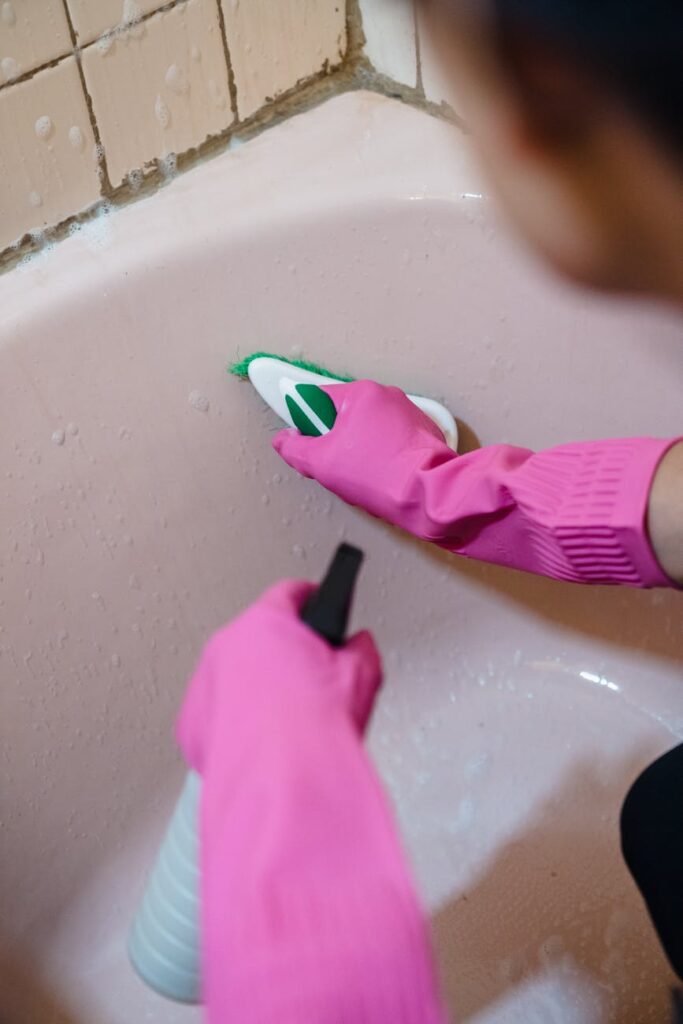
Moldy Bathroom Ceiling Cleaning Guide Part 2
Introduction
Mold on the bathroom ceiling is more than just an eyesore; it can lead to health risks and damage your home. In this guide, we’ll explore the causes of mold growth, effective cleaning methods, common mistakes to avoid, and tips to prevent future occurrences. Whether you’re dealing with a small patch or a larger infestation, this guide will equip you with the necessary tools to tackle the problem efficiently.
What Causes Moldy Bathroom Ceilings?
Understanding the root cause of mold growth is crucial for effective cleaning. Mold thrives in damp, poorly ventilated environments, making bathrooms a prime target. The following factors contribute to the mold problem:
1. High Humidity Levels: Bathrooms often have high humidity due to showers and baths, creating an ideal environment for mold growth.
2. Poor Ventilation: Lack of airflow allows moisture to accumulate, promoting mold growth.
3. Water Leaks: Any leaks from pipes, roofs, or around fixtures can create damp spots that encourage mold.
4. Condensation: Temperature differences between the warm air in the bathroom and cooler surfaces can lead to condensation, which fosters mold.
Why This Problem Happens
Mold spores are always present in the air, and when they find a moist surface, they can start to grow rapidly. Bathrooms, with their constant exposure to moisture and warmth, become breeding grounds for mold. If left untreated, mold can spread and create larger problems, including structural damage and health issues.
How to Fix Moldy Bathroom Ceilings (Step-by-Step)
Cleaning a moldy bathroom ceiling can seem daunting, but following these steps will help you tackle the issue efficiently.
Step 1: Gather Your Supplies
You’ll need:
- Protective gear (gloves, mask, goggles)
- Ladder or step stool
- Bucket
- Scrub brush or sponge
- Cleaning solution (diluted bleach, vinegar, or a commercial mold remover)
- Spray bottle
- Rags or paper towels
- Clear the Bathroom: Remove any items hanging on the ceiling, including decorative fixtures and plants.
- Cover Surfaces: Use plastic sheets to cover surfaces and prevent any cleaning solution from causing damage.
- Mix Your Solution: For a bleach solution, mix one cup of bleach with one gallon of water. For vinegar, use it undiluted, or combine it with baking soda for extra power.
- Spray the Affected Area: Generously spray the moldy areas on the ceiling. Allow the solution to sit for 15-20 minutes to penetrate the mold.
- Scrub Gently: Using a scrub brush or sponge, gently scrub the moldy areas. Be careful not to damage the ceiling surface.
- Rinse: After scrubbing, rinse the area with clean water using a rag or sponge.
- Ensure Proper Drying: Use a fan or dehumidifier to dry the area thoroughly. This step is crucial to prevent mold from returning.
- Throw Away Contaminated Materials: Safely dispose of any rags or sponges that have come into contact with mold.
- Effectiveness: Bleach is a powerful mold killer, particularly for non-porous surfaces.
- Caution: Always ventilate the area well when using bleach, as the fumes can be harmful.
- Effectiveness: Vinegar is a natural mold killer and less harsh than bleach.
- Application: Spray undiluted vinegar on the mold and let it sit for an hour before wiping it away.
- Effectiveness: Baking soda not only kills mold but also helps absorb moisture.
- Application: Mix with water to create a paste and scrub the moldy area with it.
Step 2: Prepare the Area
Step 3: Apply the Cleaning Solution
Step 4: Scrub the Ceiling
Step 5: Dry the Area
Step 6: Dispose of Cleaning Materials
Best Cleaning Methods
While there are several methods for cleaning mold from ceilings, here are the most effective:
Bleach Solution
Vinegar
Baking Soda
Common Mistakes to Avoid
1. Skipping Safety Gear: Always wear gloves, a mask, and goggles to protect yourself from mold spores and cleaning chemicals.
2. Not Ventilating the Area: Failing to ventilate can lead to inhalation of toxic fumes, especially when using bleach.
3. Using Hot Water: Hot water can open pores in the ceiling material, allowing mold to penetrate deeper. Use cool or lukewarm water instead.
4. Ignoring the Root Cause: If you don’t address humidity and ventilation issues, mold will likely return.
5. Overlooking the Surrounding Areas: Mold can spread to nearby walls and fixtures, so check those areas as well.
Prevention Tips
Preventing mold from returning is key to maintaining a clean bathroom ceiling. Here are effective strategies:
1. Improve Ventilation: Install an exhaust fan and keep it running during and after showers to reduce humidity.
2. Use a Dehumidifier: In addition to ventilation, consider investing in a dehumidifier to keep moisture levels in check.
3. Regular Cleaning: Clean your bathroom frequently using mildew-resistant cleaners to inhibit mold growth.
4. Seal Cracks and Leaks: Regularly check for any water leaks or cracks in the ceiling and seal them promptly.
5. Choose Mold-Resistant Materials: If renovating, opt for mold-resistant paint and materials in the bathroom.
Frequently Asked Questions
1. How often should I check for mold in my bathroom?
It’s a good idea to check every few months, especially if your bathroom has had mold problems in the past.
2. Can I use regular household cleaners to remove mold?
While some household cleaners may help, using a specific mold remover or a bleach solution is often more effective.
3. Is it safe to use bleach for cleaning mold?
Yes, but ensure the area is well-ventilated and wear protective gear to avoid inhaling fumes.
4. What if the mold comes back after cleaning?
If mold returns, you may need to investigate underlying issues like leaks or inadequate ventilation.
5. Can I paint over mold?
No, painting over mold will only hide the problem temporarily. Always clean the mold first.
6. What are the signs of a more serious mold problem?
If you notice a persistent musty smell, extensive mold growth, or health issues among occupants, it’s wise to consult a professional.
By following this guide, you can effectively clean your moldy bathroom ceiling and take measures to prevent future growth. A clean, mold-free bathroom not only looks better but is also healthier for you and your family.