
Moldy Bathroom Ceiling Guide Part 2
Introduction
A moldy bathroom ceiling is more than just an eyesore; it can lead to structural damage and health issues if not addressed promptly. This guide will walk you through understanding what causes mold, how to effectively remove it, and how to prevent future growth. Let’s dive into practical solutions that will help you reclaim your bathroom.
What Causes Bathroom Mold?
Mold thrives in damp, warm environments, making bathrooms the perfect breeding ground. Common causes include:
1. High Humidity: Bathrooms often have elevated moisture levels from showers and baths.
2. Poor Ventilation: Inadequate airflow can trap humidity.
3. Water Leaks: Plumbing issues can lead to water pooling on ceilings.
4. Condensation: Warm air from showers can condense on cold surfaces, promoting mold growth.
Why This Problem Happens
Understanding the underlying issues can help you tackle mold effectively. Here are the primary reasons mold develops on bathroom ceilings:
- Inadequate Air Circulation: Without proper ventilation, steam from hot water lingers, creating an ideal environment for mold.
- Old Paint or Sealants: Deteriorating surfaces can harbor mold spores.
- Neglect: Regular cleaning is crucial; infrequent cleaning allows mold to take hold.
- Temperature Fluctuations: Rapid changes can create condensation on ceilings.
- Protective gloves and mask
- Ladder or step stool
- Scrub brush or sponge
- Bucket
- Spray bottle
- Cleaning solution (store-bought or homemade)
- Paint (if necessary)
- Primer (optional)
- Vinegar: Fill a spray bottle with white vinegar and spray directly on the mold.
- Bleach: Mix one cup of bleach with one gallon of water. Use sparingly, as bleach can discolor some surfaces.
- Baking Soda: Mix baking soda with water to form a paste. This is less harsh and safe for most surfaces.
How to Fix a Moldy Bathroom Ceiling (Step-by-Step)
Step 1: Gather Your Supplies
Before you begin, collect the following items:
Step 2: Ensure Safety
Put on protective gloves and a mask to avoid inhaling mold spores. Make sure the bathroom is well-ventilated, either by opening a window or using a fan.
Step 3: Prepare the Cleaning Solution
You can use a variety of solutions to tackle mold. Here are a few effective options:
Step 4: Apply the Cleaning Solution
Spray or apply your chosen solution generously to the affected areas. Allow it to sit for about 10-15 minutes to penetrate the mold.
Step 5: Scrub the Area
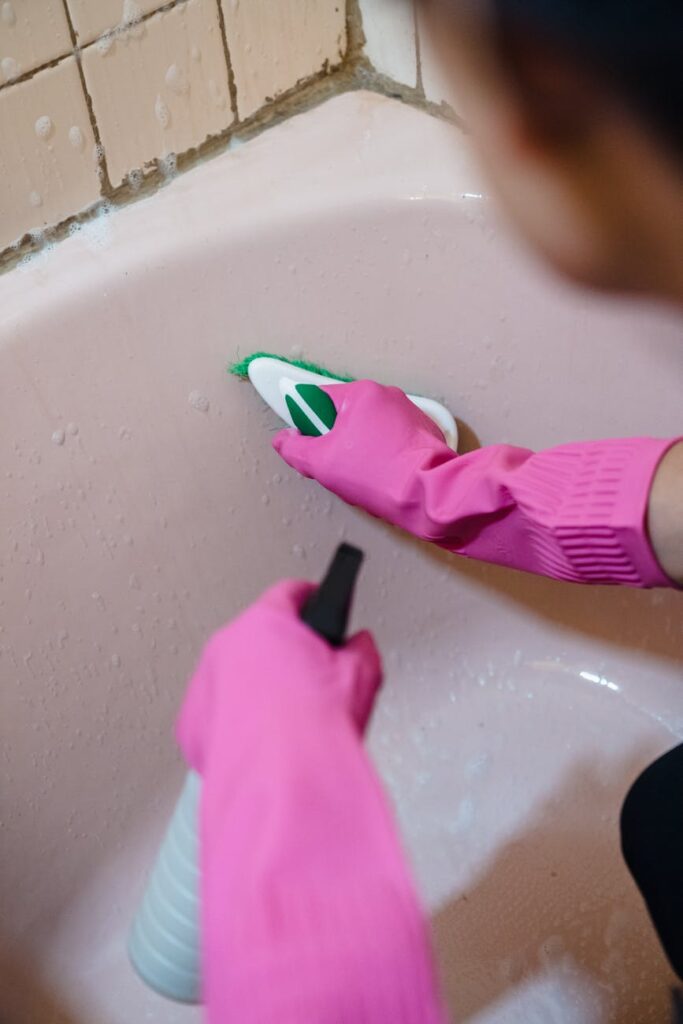
Using a scrub brush or sponge, gently scrub the moldy area until clean. Be thorough but avoid excessive force, which could damage the ceiling.
Step 6: Rinse and Dry
After scrubbing, rinse the area with clean water and dry it with a towel. Ensure the bathroom is well-ventilated to facilitate drying.
Step 7: Inspect and Paint (if necessary)
Once dry, inspect for any remaining mold. If the surface is stained or damaged, consider applying a mold-resistant primer followed by paint.
Best Cleaning Methods
1. Vinegar Spray: A natural solution that kills most mold types.
2. Hydrogen Peroxide: A non-toxic alternative that can be effective against mold.
3. Commercial Mold Removers: Use products specifically designed for mold removal, but always follow the instructions carefully.
Common Mistakes to Avoid
1. Ignoring Ventilation: After cleaning, ensure that the bathroom remains well-ventilated to prevent mold from returning.
2. Using Too Much Water: Excess water can worsen the problem; use a damp cloth instead of soaking the surface.
3. Skipping Regular Maintenance: Mold can return quickly, so establish a routine cleaning schedule.
4. Neglecting Hidden Areas: Check corners, behind fixtures, and other hard-to-reach places where mold can hide.
Prevention Tips
1. Install an Exhaust Fan: A good exhaust fan helps reduce humidity levels.
2. Use Mold-Resistant Paint: This type of paint can inhibit mold growth on ceilings.
3. Keep the Bathroom Dry: Wipe down surfaces after use to minimize moisture.
4. Regular Cleaning: Make it a habit to clean your bathroom weekly, focusing on ceiling areas.
5. Monitor Plumbing: Regularly check for leaks and repair them immediately.
Frequently Asked Questions
1. How often should I clean my bathroom ceiling?
Aim for a thorough cleaning every month, but monitor for mold and address it as soon as you notice it.
2. Can I paint over mold?
No, painting over mold will only hide the problem. Always clean the area first.
3. What if the mold keeps coming back?
If mold persists, it may indicate a deeper issue such as a leak or inadequate ventilation that needs to be addressed.
4. Is bleach safe for all surfaces?
Bleach can discolor some surfaces. Test a small area first and consider using vinegar or hydrogen peroxide as alternatives.
5. How can I tell if my mold problem is serious?
If mold covers a large area (greater than 10 square feet) or if you have health concerns, consult a professional.
6. Can I prevent mold by using essential oils?
Some essential oils, like tea tree oil, have antifungal properties. While they can help, they should not replace regular cleaning and maintenance.
By following this guide, you can effectively address and prevent mold on your bathroom ceiling, ensuring a cleaner, healthier space. Regular maintenance and prompt action are key to keeping mold at bay.