
Moldy Bathroom Ceiling Guide Part 1
Introduction
A moldy bathroom ceiling is not just an eyesore; it can be a health risk and a sign of underlying issues. Whether you’re dealing with black spots or a fuzzy green film, it’s crucial to tackle this problem promptly. In this guide, we will explore the causes, solutions, and prevention methods to keep your bathroom ceiling mold-free.
What Causes Bathroom Mold?
Bathroom mold is typically the result of excessive moisture, poor ventilation, and a lack of sunlight. Here are the common culprits:
- High Humidity: Bathrooms generate humidity from showers, baths, and even just washing your hands.
- Inadequate Ventilation: Without proper airflow, moisture lingers, creating a perfect environment for mold.
- Leaks: Dripping pipes or ceilings can introduce moisture into the air.
- Lack of Light: Mold thrives in dark spaces, making bathrooms particularly vulnerable.
- Protective goggles and gloves
- A ladder (if necessary)
- Scrub brush or sponge
- Bucket
- Spray bottle
- Cleaning solutions (options include vinegar, baking soda, or commercial mold removers)
- A fan (optional for drying)
- Clear the Space: Remove any items from the bathroom that might get in the way or be damaged by cleaning solutions.
- Ventilate: Open windows and doors to ensure fresh air circulates while you work.
- Vinegar Solution: Mix equal parts of white vinegar and water in a spray bottle.
- Baking Soda Paste: Combine 1/2 cup of baking soda with water to form a paste.
- Commercial Mold Remover: Follow the instructions on the label.
- Spray or Apply: Generously apply your chosen solution to the affected areas of the ceiling.
- Let It Sit: Allow the solution to sit for at least 10-15 minutes to penetrate the mold.
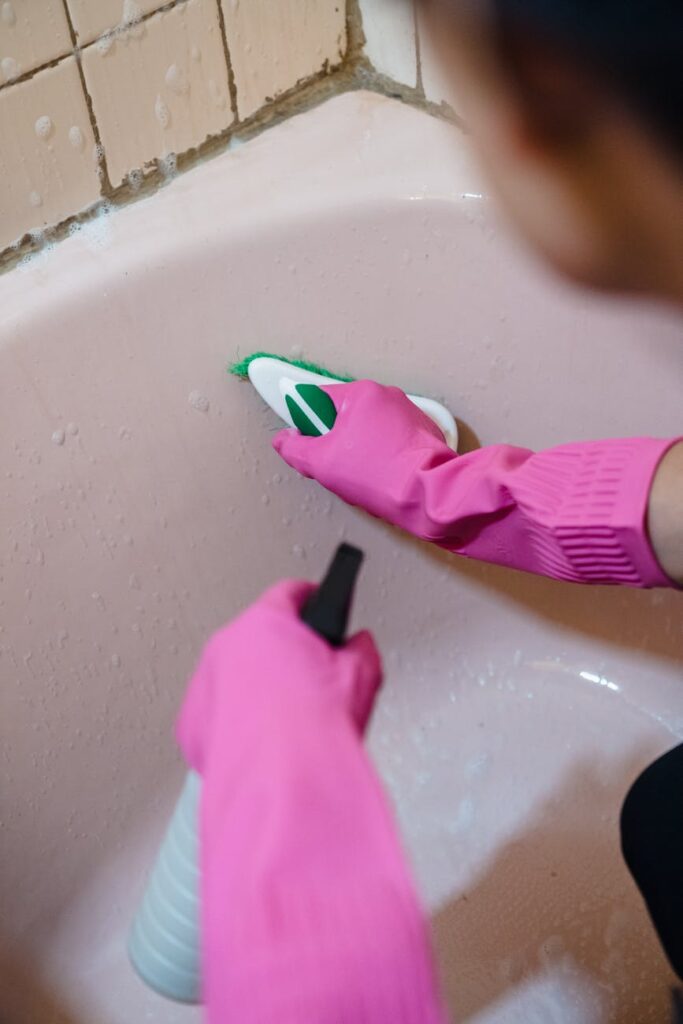
- Using a scrub brush or sponge, gently scrub the moldy spots. Be careful not to damage the ceiling material.
- Rinse: Wipe the area with a damp cloth to remove any cleaning residue.
- Dry: Use a fan or open windows to help dry the ceiling completely.
- Vinegar: A natural antifungal that kills most mold species without harsh chemicals.
- Baking Soda: Acts as a mild abrasive and deodorizer, making it effective for scrubbing away mold.
- Hydrogen Peroxide: A powerful disinfectant that can kill mold spores when applied directly.
- Commercial Cleaners: For severe mold infestations, consider specialized mold removers available at hardware stores.
- Improve Ventilation: Install an exhaust fan or open windows to reduce humidity after showers.
- Use a Dehumidifier: This can help control moisture levels in the bathroom.
- Seal Leaks Promptly: Regularly inspect for leaks in plumbing and ceilings.
- Clean Regularly: Perform routine cleanings to prevent mold from taking hold.
- Use Mold-Resistant Paint: Consider repainting your bathroom ceiling with mold-resistant paint.
Understanding these causes will help you identify and fix the problem effectively.
Why This Problem Happens
Mold grows in damp, warm environments, and bathrooms are often the ideal setting. The combination of heat from showers and the steam produced creates conditions ripe for mold growth. Additionally, if your bathroom isn’t well-ventilated, moisture accumulates, exacerbating the issue.
When left unchecked, mold can spread rapidly, not only affecting aesthetics but also potentially damaging the structure of your ceiling and posing health risks like allergies and respiratory issues.
How to Fix a Moldy Bathroom Ceiling (Step-by-Step)
Step 1: Gather Your Supplies
Before you start, make sure you have the following tools and materials:
Step 2: Prepare the Area
Step 3: Create Your Cleaning Solution
You can use one of the following methods:
Step 4: Apply the Cleaning Solution
Step 5: Scrub the Area
Step 6: Rinse and Dry
Step 7: Inspect and Repeat if Necessary
After the area is dry, check to see if any mold remains. If you notice spots, repeat the cleaning process.
Best Cleaning Methods
Here are some of the best methods for cleaning a moldy bathroom ceiling:
Common Mistakes to Avoid
1. Skipping Safety Gear: Always wear gloves and goggles to protect yourself from mold spores and cleaning agents.
2. Not Ventilating: Failing to ventilate the area can worsen mold growth during cleaning.
3. Using the Wrong Cleaner: Some cleaners may not be effective against mold, so choose wisely.
4. Ignoring the Source: Cleaning without addressing the underlying moisture issue will lead to mold returning.
5. Rushing the Process: Taking shortcuts can result in incomplete cleaning and recurrence of mold.
Prevention Tips
To keep your bathroom ceiling mold-free in the future, consider these preventive measures:
Frequently Asked Questions
1. How do I know if the mold is dangerous?
Not all mold is harmful, but if you notice black mold or have respiratory issues, consult a professional.
2. Can I remove mold myself, or should I hire a professional?
Small areas of mold can usually be cleaned by homeowners, but larger infestations may require professional help.
3. How often should I check for mold in my bathroom?
It’s a good idea to inspect your bathroom ceiling every few months, especially in humid climates.
4. What can I do if the mold keeps coming back?
Persistent mold often indicates an underlying moisture issue. Consider improving ventilation or consulting a professional for a thorough inspection.
5. Can vinegar really kill mold?
Yes, vinegar is effective at killing many types of mold and is a safe, natural alternative to harsh chemicals.
6. Is bleach effective for mold removal?
While bleach can kill mold on non-porous surfaces, it may not penetrate porous materials like drywall. It’s often better to use vinegar or commercial mold removers.
By following this guide, you can effectively tackle mold on your bathroom ceiling and prevent it from returning. Maintaining a clean and dry bathroom is essential for the health of your home and family.