
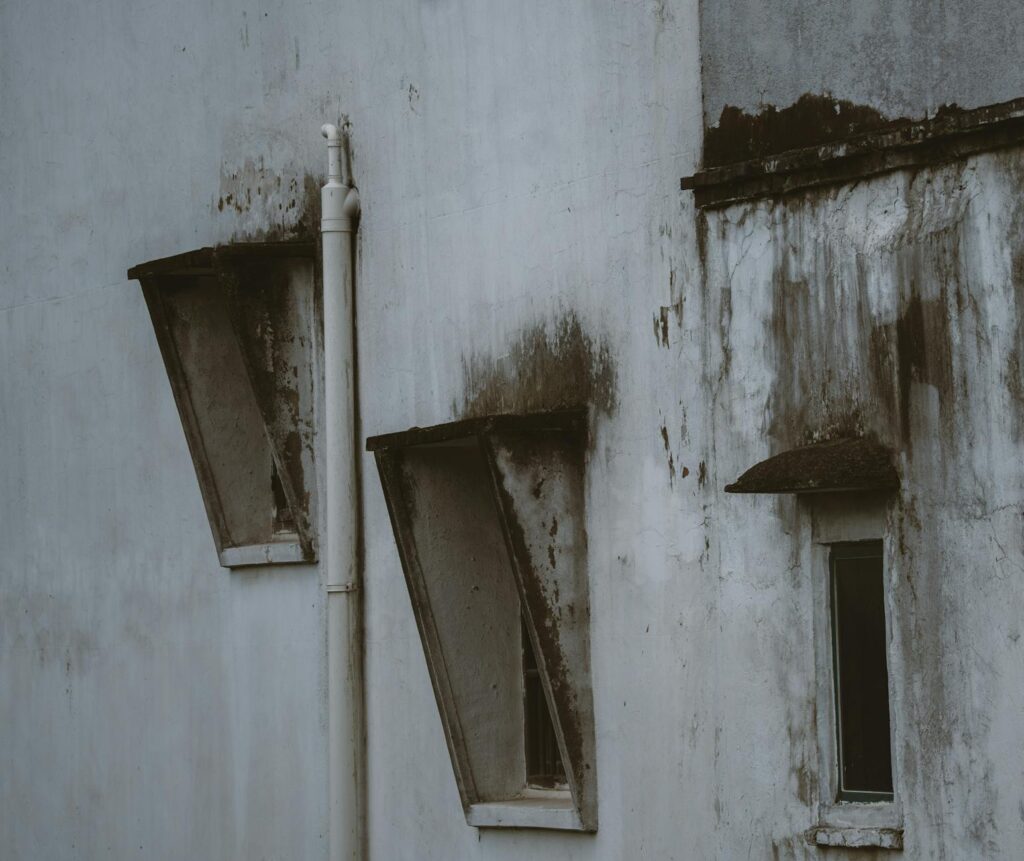
Mold on Windows Stains Guide Part 2
Introduction
Mold on windows can be a frustrating problem for homeowners. Not only does it create unsightly stains, but it can also lead to more significant issues if left untreated. This guide will help you understand what causes these stains, why they occur, and how to effectively clean them. We’ll also cover common mistakes to avoid and offer tips for preventing mold growth in the future.
What Causes Stains?
Mold stains on windows are primarily caused by:
- Moisture: Excess humidity in the air can lead to condensation on windows, creating a perfect environment for mold growth.
- Poor ventilation: Areas with limited airflow can trap moisture, promoting mold and mildew.
- Dirt and grime: Accumulation of dirt can provide nutrients for mold, making it easier for stains to form.
- Organic materials: Dust, pollen, and other organic substances can contribute to mold growth when they settle on wet surfaces.
- Weather conditions: High humidity levels, especially during rainy seasons, can exacerbate mold growth.
- Window seals: Worn or damaged window seals can allow moisture to seep in, leading to condensation.
- Building materials: Certain materials, like wood frames, may absorb moisture and promote mold growth.
- Cleaning solution: Use a mixture of water and white vinegar (1:1 ratio) or a commercial mold cleaner.
- Spray bottle: For easy application.
- Scrub brush: A non-abrasive scrub brush or sponge.
- Microfiber cloth: For drying and polishing.
- Protective gear: Gloves and a mask to protect yourself from mold spores.
- Remove any furniture or items near the window.
- Open windows for ventilation to ensure fresh air circulation.
- Shake the spray bottle to mix the solution.
- Spray the affected areas generously, ensuring the mold is thoroughly soaked.
- Use the scrub brush or sponge to gently scrub the areas with mold stains.
- Apply more solution as needed to keep the area damp while scrubbing.
- Use a clean, damp cloth to wipe away any remaining cleaning solution and mold residue.
- Dry the area with a microfiber cloth to prevent further moisture accumulation.
- Check for any remaining stains. If needed, repeat the cleaning process.
- Using abrasive scrubbers: They can scratch the glass and damage the window frame.
- Neglecting safety gear: Always wear gloves and a mask to protect yourself from mold spores.
- Ignoring ventilation: Cleaning in a poorly ventilated area can lead to inhalation of mold spores.
- Not treating the source: If the root cause of moisture isn’t addressed, stains will likely return.
- Increase ventilation: Open windows and doors regularly to improve air circulation.
- Use a dehumidifier: This can help reduce humidity levels in your home.
- Regular cleaning: Clean your windows regularly to remove dirt and moisture that promote mold growth.
- Seal windows properly: Ensure window seals are intact to prevent moisture ingress.
- Install exhaust fans: Use them in areas like kitchens and bathrooms where humidity is high.
Understanding these causes is the first step in tackling the problem effectively.
Why This Problem Happens
Mold tends to flourish in damp, dark environments. Windows, especially those that are not regularly cleaned or are poorly insulated, can retain moisture. Factors that contribute to this problem include:
Recognizing these factors helps homeowners take proactive measures to prevent mold stains from forming in the first place.
How to Fix Stains (Step-by-Step)
Here’s a straightforward approach to cleaning mold stains from your windows:
Step 1: Gather Your Supplies
Step 2: Prepare the Area
Step 3: Apply the Cleaning Solution
Step 4: Scrub the Stains
Step 5: Rinse and Wipe Down
Step 6: Inspect and Repeat if Necessary
Best Cleaning Methods
The effectiveness of your cleaning method can vary. Here are some of the best options:
1. Vinegar Solution: The acidity in vinegar helps kill mold and prevent stains. It’s safe and non-toxic.
2. Baking Soda Paste: Mix baking soda with water to create a paste. Apply it to the stains, let it sit for 10-15 minutes, then scrub and rinse.
3. Bleach Solution: While effective, use with caution. Mix one cup of bleach with one gallon of water. Ensure good ventilation and never mix bleach with ammonia.
Choose a method that fits your cleaning preferences and safety needs.
Common Mistakes to Avoid
When tackling mold stains on windows, avoid these common pitfalls:
Being aware of these mistakes can save you time and effort down the line.
Prevention Tips
Preventing mold stains is far easier than cleaning them. Here are some effective strategies:
Implementing these tips can greatly reduce the likelihood of mold stains forming on your windows.
Frequently Asked Questions
1. How often should I clean my windows to prevent mold?
Aim to clean your windows at least twice a year, or more frequently if you live in a humid area.
2. Can I use bleach to clean mold stains?
Yes, but use it carefully and in well-ventilated areas. Never mix bleach with ammonia.
3. What should I do if the stains persist after cleaning?
If stains remain, consider using a stronger commercial mold cleaner or consulting a professional.
4. Is vinegar safe for all window types?
Yes, vinegar is safe for most windows, but test it on a small area first.
5. How can I tell if the mold is gone?
Inspect the area closely. If the stains are no longer visible and no musty smell persists, the mold is likely gone.
6. Can mold stains damage my window frames?
If left untreated, mold can rot wooden frames and cause structural damage. It’s essential to address mold issues promptly.
By following this guide, you can effectively manage and prevent mold stains on your windows, ensuring a cleaner and healthier home environment.