
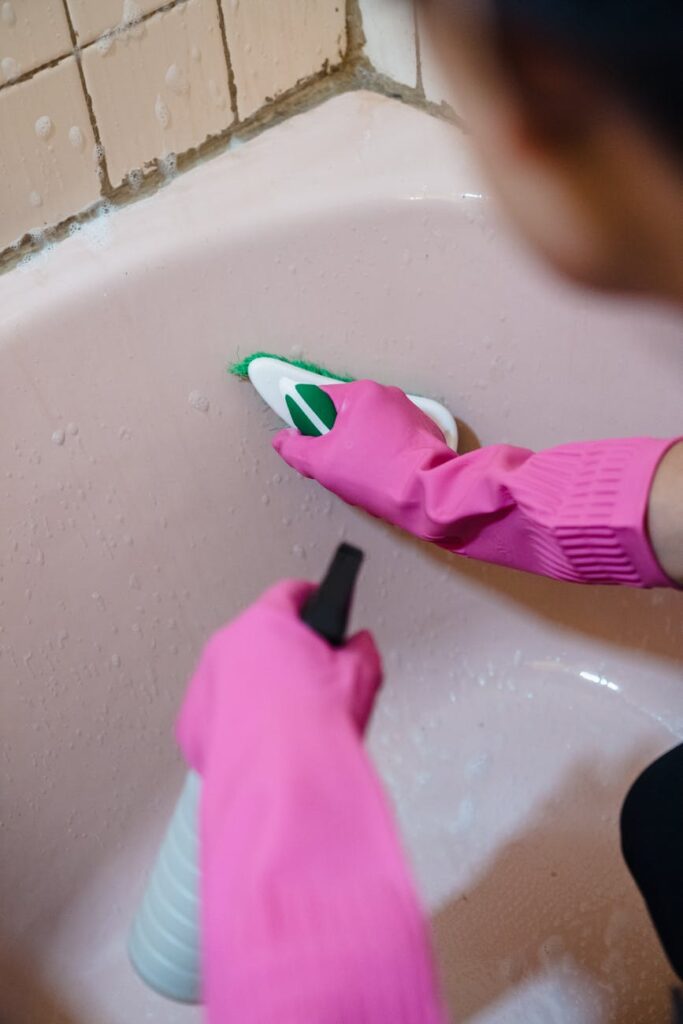
Mold on Windows Stains Guide Part 1
Introduction
Mold growth on windows is a common issue many homeowners face. Not only does it create unsightly stains, but it can also affect your indoor air quality. Understanding how to deal with these stains effectively is crucial for maintaining a clean and healthy home environment. In this guide, we’ll explore what causes these stains, why they occur, how to fix them, and how to prevent future growth.
What Causes Stains?
Mold stains on windows are primarily caused by moisture combined with organic material. Here are the main contributors:
1. Humidity: High humidity levels create an ideal environment for mold growth. Windows, especially in bathrooms and kitchens, are often prone to this.
2. Condensation: When warm air meets cold surfaces, condensation forms. This moisture can settle on window frames and sills, leading to mold.
3. Dirt and Dust: Accumulated dirt or dust on window surfaces can provide the organic material that mold thrives on.
4. Poor Ventilation: Inadequate airflow can trap moisture, making it easier for mold to develop.
Why This Problem Happens
Understanding the underlying reasons for mold on windows can help you address the root cause. Here are some factors that contribute to mold growth:
- Climate: Areas with high humidity and frequent rainfall are more susceptible to mold issues.
- Insulation: Poorly insulated windows can cause condensation, leading to persistent moisture.
- Neglect: Regular cleaning is essential. Neglecting to clean your windows can allow mold to flourish.
- Building Materials: Certain materials, like wood and drywall, can absorb moisture and promote mold growth if not properly sealed.
- Protective gloves
- A mask (to avoid inhaling spores)
- Mild detergent
- Baking soda
- White vinegar
- Spray bottle
- Soft scrub brush or sponge
- Clean cloths or paper towels
- Skipping Safety Gear: Always wear gloves and a mask to protect yourself from mold spores.
- Using Too Much Water: Excess moisture can exacerbate the problem. Use damp cloths instead of soaking the area.
- Not Addressing the Source: Cleaning the stains without fixing the humidity or ventilation issue will lead to quick recurrence.
- Neglecting Routine Maintenance: Regularly check your windows for early signs of mold to prevent larger issues.
How to Fix Stains (Step-by-Step)
Removing mold stains from windows requires a systematic approach. Follow these steps for effective cleaning:
Step 1: Gather Supplies
You will need:
Step 2: Prepare the Area
Ensure the area is well-ventilated. Open windows for airflow and remove any nearby items that could get wet.
Step 3: Create a Cleaning Solution
Mix one part white vinegar with one part water in a spray bottle. Alternatively, you can create a paste using baking soda and water.
Step 4: Apply the Solution
Spray the vinegar solution directly onto the stained areas or apply the baking soda paste. Let it sit for about 10-15 minutes to penetrate the stains.
Step 5: Scrub the Stains
Using a soft scrub brush or sponge, gently scrub the stained areas. Be careful not to scratch the glass or window frame.
Step 6: Rinse and Dry
Wipe the areas with a clean, damp cloth to remove any residue. Then, dry the window thoroughly to prevent moisture build-up.
Step 7: Repeat if Necessary
For stubborn stains, you may need to repeat the process until the stains are completely gone.
Best Cleaning Methods
While the vinegar and baking soda method is effective, there are other cleaning methods you can try:
1. Hydrogen Peroxide
Mix hydrogen peroxide with water (1:1 ratio) and spray it on the affected areas. Allow it to sit for 10 minutes before scrubbing and rinsing.
2. Commercial Mold Cleaners
Consider using a commercial mold cleaner specifically designed for household use. Always follow the manufacturer’s instructions.
3. Bleach Solution
For severe mold stains, a diluted bleach solution (1 cup of bleach in 1 gallon of water) can be effective. However, use it cautiously, as it can damage paint or wood finishes.
Common Mistakes to Avoid
When dealing with mold stains, it’s essential to avoid these common pitfalls:
Prevention Tips
Preventing mold on windows is much easier than cleaning it off. Here are some effective strategies:
1. Control Humidity: Use a dehumidifier in high-humidity areas to maintain indoor humidity levels below 50%.
2. Increase Ventilation: Open windows regularly, especially in areas prone to moisture, to improve airflow.
3. Use Exhaust Fans: Install exhaust fans in bathrooms and kitchens to reduce humidity after showers or cooking.
4. Clean Regularly: Incorporate window cleaning into your regular cleaning routine to prevent dirt accumulation.
5. Seal Windows Properly: Ensure window frames are sealed to prevent moisture intrusion and condensation build-up.
6. Install Storm Windows: If you live in a climate with significant temperature fluctuations, consider storm windows to reduce condensation.
Frequently Asked Questions
1. How can I tell if I have mold on my windows?
Look for dark spots, discoloration, or a musty smell. If you see these signs, it’s likely mold.
2. Can I use vinegar to clean mold?
Yes, vinegar is an effective natural cleaner for mold stains. It’s non-toxic and safe for most surfaces.
3. Is bleach effective against mold?
Bleach can kill mold on non-porous surfaces but may not be effective on porous materials. It’s essential to use it carefully.
4. How often should I clean my windows to prevent mold?
Aim to clean your windows at least once a month, especially in humid areas.
5. What if the stains persist after cleaning?
If stains remain, you may need to try a stronger cleaning solution or consult a professional mold remediation service.
6. Can mold on windows affect my health?
Yes, mold can release spores into the air, which may cause allergic reactions or respiratory issues for sensitive individuals.
By following this guide, you can effectively tackle mold stains on your windows and maintain a cleaner, healthier home. Stay tuned for Part 2, where we’ll delve deeper into advanced cleaning techniques and further prevention strategies.