
Mold on Windows: Mould & Damp Guide Part 1
Introduction
Mold on windows is not just an eyesore; it can lead to further issues in your home, including structural damage and musty odors. Understanding how to address this problem effectively is crucial for maintaining a healthy living environment. In this guide, we will explore the causes of mold and dampness on windows, provide actionable steps for cleaning, and offer tips for prevention.
What Causes Mould & Damp?
Mold thrives in damp environments. The primary causes of mold on windows include:
1. Humidity: High levels of indoor humidity, often exceeding 60%, create ideal conditions for mold growth.
2. Poor Ventilation: Lack of airflow can trap moisture inside, particularly in areas like bathrooms and kitchens.
3. Condensation: When warm air meets cold surfaces, water droplets form, leading to dampness on window frames and sills.
4. Leaks: Water leaks from roofs, walls, or plumbing can introduce moisture to the window area.
5. Temperature Fluctuations: Rapid changes in temperature can exacerbate condensation issues.
Why This Problem Happens
Understanding why mold appears on your windows helps in finding long-term solutions:
- Climate: Homes in humid climates or areas with high rainfall are more susceptible.
- Building Construction: Older homes often have less effective insulation, leading to increased condensation.
- Lifestyle: Daily activities like cooking and showering without proper ventilation contribute to indoor humidity levels.
- Rubber gloves
- Protective eyewear
- Mask (to avoid inhaling spores)
- Cleaning solution (vinegar, baking soda, or a commercial mold remover)
- Scrub brush or sponge
- Old towels or rags
- Bucket
- Open windows for ventilation.
- Move any furniture or belongings away from the window area.
- Inspect window frames, sills, and surrounding walls for mold growth.
- If using vinegar, spray it directly onto the mold and let it sit for at least 30 minutes.
- For baking soda, create a paste with water and apply it to the affected areas.
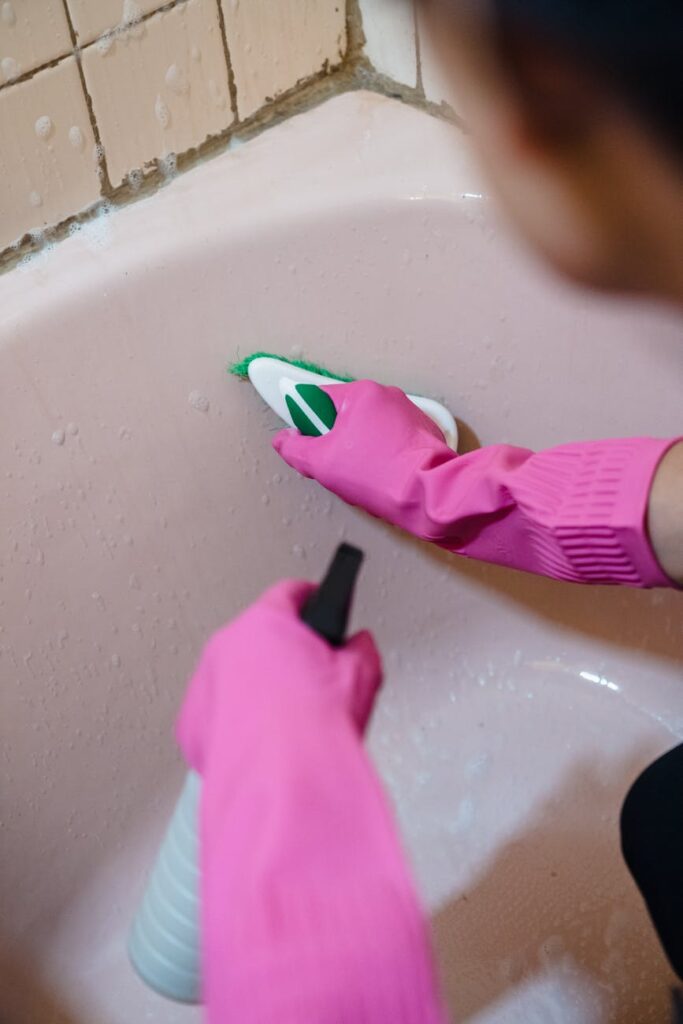
- Use a scrub brush or sponge to remove the mold. Be thorough but gentle to avoid damaging the surface.
- Wipe down the area with a damp cloth to remove any residue.
- Dry the window frames and sills completely with towels.
- Safely dispose of any rags or sponges used, as they may contain mold spores.
- Vinegar: A natural mold killer that is safe and non-toxic.
- Baking Soda: Acts as a mild abrasive and can help eliminate mold and odors.
- Commercial Mold Removers: Look for products specifically designed for mold removal. Always follow the manufacturer’s instructions.
- Bleach Solution: Use a diluted bleach mixture (1 cup bleach to 1 gallon of water) for tough mold stains. This should only be used in well-ventilated areas, and never mix bleach with ammonia.
How to Fix Mould & Damp (Step-by-Step)
Addressing mold on windows requires a systematic approach:
1. Gather Supplies:
2. Prepare the Area:
3. Identify the Extent of the Mold:
4. Apply Cleaning Solution:
5. Scrub the Area:
6. Rinse and Dry:
7. Dispose of Contaminated Materials:
Best Cleaning Methods
Several effective methods can help you clean mold off your windows:
Common Mistakes to Avoid
When tackling mold on windows, avoid these pitfalls:
1. Ignoring the Source: Simply cleaning the mold without addressing moisture issues will lead to recurrence.
2. Using Incorrect Products: Avoid products containing ammonia when using bleach, as this can create toxic fumes.
3. Not Protecting Yourself: Always wear gloves and a mask to avoid inhaling mold spores.
4. Neglecting to Dry: Failing to dry the area properly after cleaning can lead to mold returning.
5. Overlooking Hidden Areas: Check behind curtains and inside window frames where mold may be hiding.
Prevention Tips
Preventing mold on windows is easier than dealing with it after it appears. Here are some practical tips:
1. Control Humidity: Use dehumidifiers in areas prone to moisture, like basements and bathrooms.
2. Improve Ventilation: Open windows regularly and install exhaust fans in kitchens and bathrooms.
3. Seal Windows: Ensure window seals are intact to prevent drafts and leaks.
4. Regular Cleaning: Clean window frames and sills regularly to remove potential mold spores.
5. Use Moisture Absorbers: Place silica gel packs or other moisture absorbers near windows to reduce humidity.
Frequently Asked Questions
1. How can I tell if I have mold on my windows?
Look for dark spots or discoloration on window frames and sills. A musty smell can also indicate mold presence.
2. Is it safe to clean mold with bleach?
Yes, but only if used with caution. Always dilute it, use in well-ventilated areas, and never mix it with ammonia.
3. How often should I clean my windows to prevent mold?
Cleaning windows quarterly is a good practice, but more frequent cleaning may be necessary in humid climates.
4. Can I prevent mold without using chemicals?
Yes, natural solutions like vinegar and baking soda are effective for cleaning and can be used as preventative measures.
5. What should I do if the mold keeps coming back?
If mold returns quickly, check for underlying moisture issues such as leaks or inadequate ventilation.
6. Can I hire someone to remove mold from my windows?
Yes, professional mold remediation services can provide thorough cleaning and help address the root cause.
By following this guide, you can effectively tackle mold on your windows and create a healthier environment in your home. Stay proactive, and you’ll minimize the risk of future mold growth.