
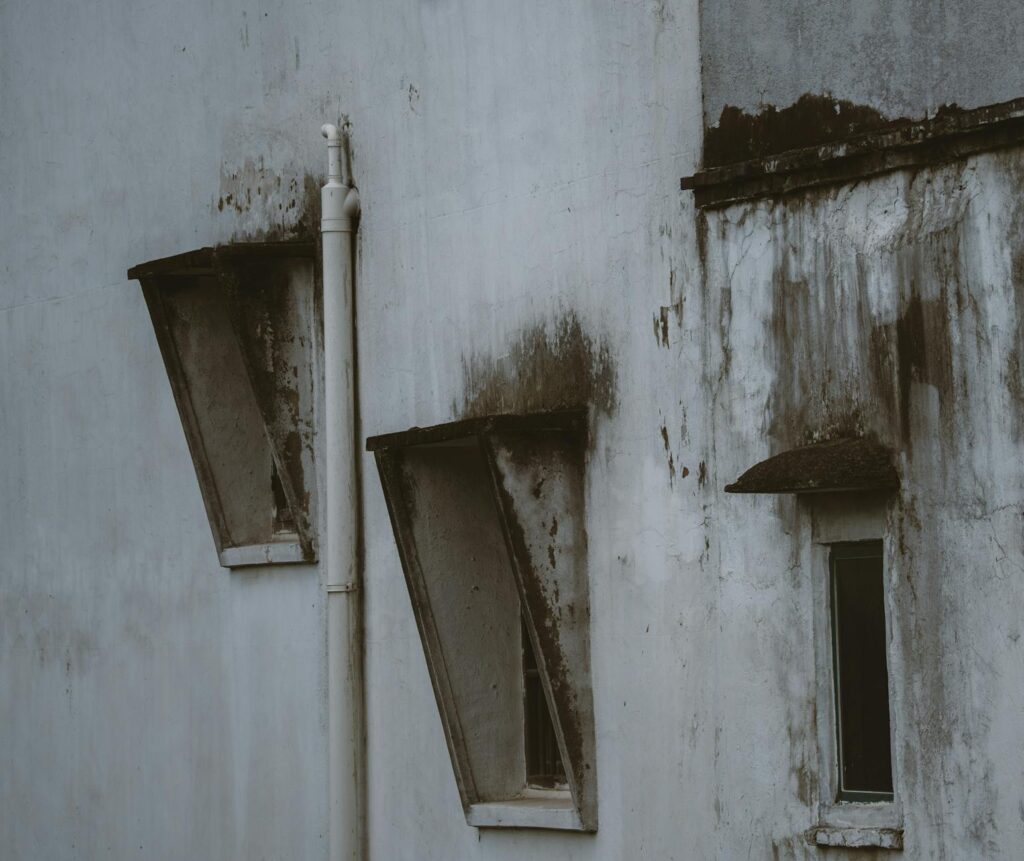
Mold on Windows Laundry Guide Part 2
Introduction
Mold on windows can be a frustrating problem, especially when it spreads to your laundry. This guide will help you understand the causes of mold, why it happens, and how to effectively clean and prevent it. We’ll provide step-by-step solutions and practical tips to keep your home mold-free.
What Causes Laundry?
When we refer to “laundry” in this context, we’re talking about the mold that can develop on your clothes, linens, and other fabric items due to exposure to moldy windows. Windows can be breeding grounds for mold when moisture accumulates, creating an ideal environment for mold spores to thrive. If your laundry is in close proximity to these windows, it can easily absorb those spores.
Why This Problem Happens
Mold grows in damp, humid conditions. Windows can attract moisture due to:
- Condensation: Warm air inside your home can cool when it hits the cold glass of your windows, leading to moisture buildup.
- Poor Ventilation: Areas with inadequate airflow can trap humidity, encouraging mold growth.
- Leaky Windows: Water from outside can seep through cracks, further increasing moisture levels.
- High Humidity: Environments with high humidity, especially during rainy seasons, can exacerbate mold issues.
- Gloves
- Masks
- White vinegar or hydrogen peroxide
- Baking soda
- Laundry detergent
- A spray bottle
- Soft brush or cloth
Understanding these causes helps you take the necessary steps to combat mold effectively.
How to Fix Laundry (Step-by-Step)
Step 1: Assess the Damage
Before diving into cleaning, check your laundry for mold. Look for black, green, or white spots on fabrics. If the mold is extensive, consider discarding the affected items for health reasons.
Step 2: Gather Your Supplies
You’ll need:
Step 3: Remove Items from the Area
Take your laundry out of the proximity of the moldy windows. This will prevent further exposure during the cleaning process.
Step 4: Treat the Moldy Laundry
1. Spray the Affected Areas: Use a solution of equal parts water and white vinegar or hydrogen peroxide in a spray bottle. Spray the moldy areas of your laundry generously.
2. Let It Sit: Allow the solution to sit for about 15–30 minutes. This helps kill the mold spores.
3. Gently Scrub: Use a soft brush or cloth to scrub the affected area. Be gentle to avoid damaging the fabric.
4. Launder: Wash your laundry as usual with hot water and a good quality laundry detergent. If the fabric allows, add a cup of baking soda to the wash for extra cleaning power.
5. Dry Thoroughly: Dry your laundry in direct sunlight if possible, as UV rays help eliminate remaining mold spores. If using a dryer, ensure it’s set to a high heat setting.
Best Cleaning Methods
Vinegar and Baking Soda
Vinegar is a natural mold killer, while baking soda helps to deodorize. This combination is effective for treating moldy laundry.
Hydrogen Peroxide
Hydrogen peroxide is another powerful mold killer. It can be used similarly to vinegar but is often more effective on tougher stains.
Commercial Mold Removers
If home remedies aren’t cutting it, consider a commercial mold remover. Choose a product specifically designed for fabrics and follow the manufacturer’s instructions.
Common Mistakes to Avoid
1. Ignoring the Source: Cleaning mold off laundry without addressing the mold on windows will lead to future problems. Always tackle the source of the moisture first.
2. Using Heat on Fresh Mold: Don’t put moldy laundry in the dryer before washing. The heat can set the mold stains.
3. Overloading the Washer: Give your laundry space to move in the washing machine. Overloading can prevent effective cleaning.
4. Using Colored Fabrics: Mixing colored and white fabrics can lead to dye transfer. Always wash whites separately.
5. Not Ventilating: After washing, ensure that laundry is dried thoroughly. Lack of ventilation can lead to mold regrowth.
Prevention Tips
1. Improve Ventilation: Open windows regularly to improve airflow, especially in rooms with high humidity.
2. Use Dehumidifiers: In damp climates, consider using a dehumidifier to reduce moisture levels.
3. Seal Windows: Ensure windows are sealed properly to prevent leaks.
4. Regular Cleaning: Clean your windows regularly to remove any mold or mildew growth.
5. Store Laundry Properly: Keep laundry stored in a dry, well-ventilated area to prevent mold growth.
6. Monitor Humidity Levels: Keep indoor humidity levels between 30-50%. This can help inhibit mold growth.
Frequently Asked Questions
1. Can I use bleach to remove mold from laundry?
Bleach can be effective, but it may not work on all fabrics. It can also weaken fibers over time. Use alternatives like vinegar or hydrogen peroxide for a safer option.
2. How can I tell if my laundry is moldy?
Look for visible spots or a musty smell. If you suspect mold but can’t see it, washing with vinegar or peroxide can help confirm if it’s present.
3. What should I do if the mold is extensive?
If you have extensive mold damage, it may be best to discard the affected items. This is especially true for porous materials where mold can penetrate deeply.
4. Is mold on laundry dangerous?
Mold can cause allergic reactions and respiratory issues in sensitive individuals. It’s best to address mold problems promptly to avoid health risks.
5. How often should I clean windows to prevent mold?
Cleaning windows every few months is ideal, but it’s important to check during humid seasons or after heavy rain.
6. Can I wash moldy laundry with regular detergent?
While you can use regular detergent, adding vinegar or baking soda enhances mold removal. Always treat moldy areas first for the best results.
By following these guidelines, you can effectively tackle mold on windows and laundry, ensuring a cleaner, healthier home. Regular maintenance and proactive measures will keep mold at bay and your laundry fresh.