
Mold on Windows Kitchen Guide Part 1
Introduction
Mold on windows in the kitchen is a common problem that can lead to unpleasant odors, damage to your home, and potential health issues. This guide aims to provide you with practical solutions to tackle mold effectively. Whether you’re dealing with a small patch or a larger infestation, we’ll cover the causes, best cleaning methods, and prevention tips to keep your kitchen windows mold-free.
What Causes Kitchen Mold on Windows?
Mold thrives in damp environments. In the kitchen, several factors can contribute to mold growth on windows:
- High Humidity: Cooking creates steam, which can raise humidity levels.
- Poor Ventilation: Limited airflow traps moisture, providing an ideal environment for mold.
- Water Leaks: Any leaks around windows can introduce moisture.
- Condensation: Temperature differences between indoors and outdoors can cause condensation to form, especially on cold windows.
- Rubber gloves
- Protective eyewear
- Mask (to avoid inhaling spores)
- Bucket
- Spray bottle
- Sponge or scrub brush
- Cleaning solution (store-bought or homemade)
- Bleach Solution: Mix one part bleach to three parts water.
- Vinegar Solution: Use white vinegar straight from the bottle, or mix equal parts vinegar and water.
- Vinegar: An effective natural mold killer that can be used on various surfaces without harsh chemicals.
- Bleach: Effective for non-porous surfaces but can be harsh on the environment and can release harmful fumes.
- Hydrogen Peroxide: A safer alternative to bleach that can kill mold spores effectively.
- Commercial Mold Cleaners: Many products are specifically designed for mold removal and can be effective if used as directed.
- Not Wearing Protective Gear: Always use gloves, a mask, and eyewear to protect yourself from mold spores.
- Using Hot Water: Hot water can cause mold spores to spread; always use cold or lukewarm water.
- Ignoring Ventilation: Failing to ventilate the area while cleaning can lead to further mold growth.
- Neglecting Regular Maintenance: Cleaning only when mold appears is insufficient; regular cleaning is essential.
- Increase Ventilation: Use exhaust fans while cooking and open windows when possible.
- Control Humidity: Use a dehumidifier if necessary, especially in humid climates.
- Seal Leaks: Inspect and repair any leaks around windows or plumbing.
- Regular Cleaning: Make it a habit to clean your windows and surrounding areas regularly.
- Use Mold-Resistant Products: Consider using mold-resistant paint or window treatments.
Why This Problem Happens
Understanding why mold grows on your kitchen windows can help you tackle the issue more effectively:
1. Temperature Fluctuations: The kitchen is often warmer than the outside air, leading to condensation on windows.
2. Water Sources: Sinks, dishwashers, and refrigerators can introduce excess moisture.
3. Neglected Cleaning: Dust and grime can trap moisture, providing a breeding ground for mold.
4. Inadequate Insulation: Poorly insulated windows can lead to condensation, increasing mold risk.
How to Fix Kitchen Mold on Windows (Step-by-Step)
If you discover mold on your kitchen windows, it’s essential to act quickly. Here’s a straightforward process to follow:
Step 1: Gather Your Supplies
Step 2: Prepare the Cleaning Solution
You have a couple of options for cleaning solutions:
Step 3: Apply the Cleaning Solution
1. Spray: Generously spray the affected area with your chosen cleaning solution.
2. Let Sit: Allow the solution to sit for about 10-15 minutes to kill mold spores.
Step 4: Scrub the Area
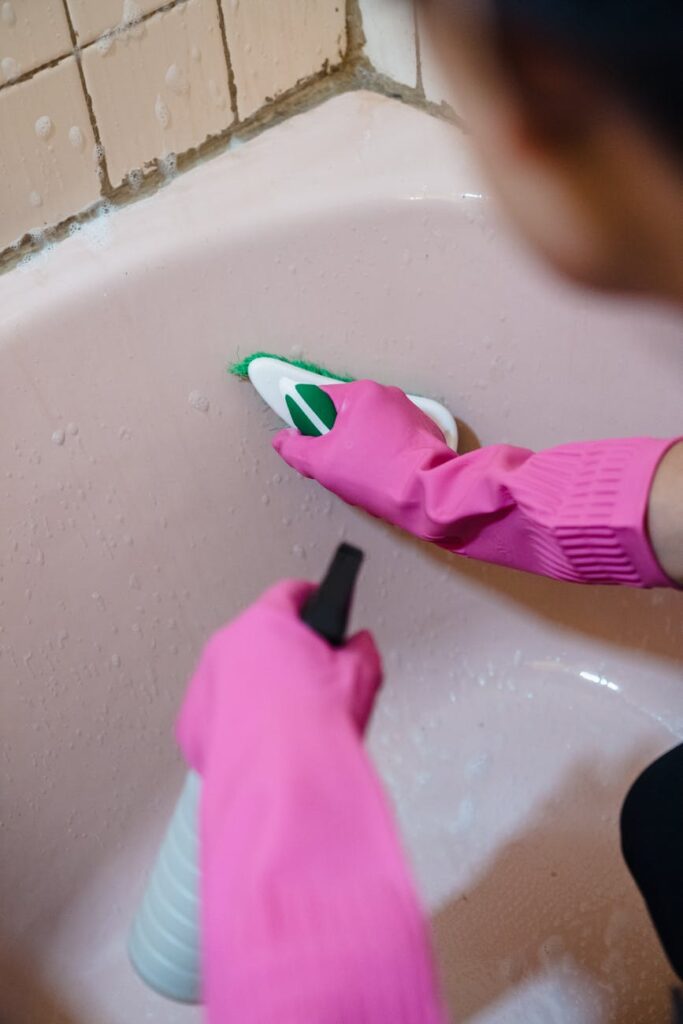
Using a sponge or scrub brush, gently scrub the moldy area. Focus on the corners and edges where mold tends to linger.
Step 5: Rinse and Dry
1. Rinse: Use a clean cloth or sponge dipped in water to wipe away the cleaning solution.
2. Dry: Thoroughly dry the area with a towel to prevent moisture from returning.
Step 6: Dispose of Cleaning Materials
Dispose of any sponges, brushes, or cloths used in the cleaning process to avoid spreading mold spores.
Best Cleaning Methods
For effective mold removal, consider these methods:
Common Mistakes to Avoid
When dealing with mold on kitchen windows, avoid these pitfalls:
Prevention Tips
Preventing mold from returning to your kitchen windows involves proactive measures:
Frequently Asked Questions
1. How can I tell if I have mold on my windows?
Look for dark spots, discoloration, or a musty smell around the window area.
2. Is it safe to use bleach for mold removal?
While bleach can be effective, it can also release harmful fumes. Use it in a well-ventilated area and consider alternatives like vinegar or hydrogen peroxide.
3. Can mold on windows spread to other areas?
Yes, mold spores can easily become airborne and settle in other areas of your home if not properly contained.
4. How often should I check for mold on my kitchen windows?
Regular checks (at least once a month) are advisable, especially during humid seasons.
5. What should I do if the mold keeps returning?
If mold reappears frequently, assess your kitchen’s ventilation and humidity levels. You may need to implement additional preventive measures.
6. Is professional mold remediation necessary?
For extensive mold problems, or if you have health concerns, consider hiring a professional to ensure thorough removal and prevention.
By following this guide, you can effectively tackle mold on your kitchen windows and create a healthier living environment. Stay proactive, keep your kitchen well-ventilated, and regularly inspect your windows to prevent mold growth in the first place.