
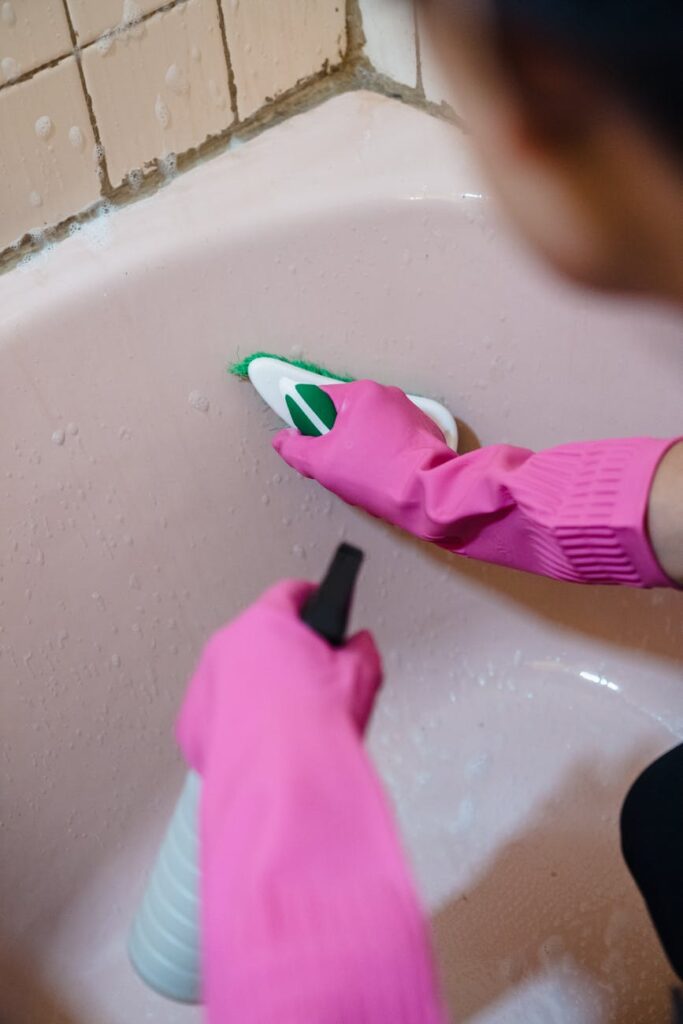
Mold on Windows Bathroom Guide Part 1
Introduction
Mold on bathroom windows is not just an eyesore; it can also lead to health issues and damage to your home. This guide will help you identify the causes of mold growth, provide actionable steps to eliminate it, and offer tips to prevent future occurrences.
What Causes Bathroom Mold?
Mold thrives in warm, damp environments, making bathrooms a prime target. The primary causes of mold on bathroom windows include:
- High Humidity: Bathrooms often have high humidity levels due to showers and baths.
- Poor Ventilation: Lack of airflow allows moisture to accumulate and create an ideal environment for mold.
- Condensation: Water droplets forming on cold surfaces can lead to mold growth over time.
- Leaky Windows: Gaps or cracks in window seals can allow water to seep in, promoting mold.
- Rubber gloves
- Mask
- Scrub brush or sponge
- Bucket
- Cleaning solution (vinegar, bleach, or commercial mold remover)
- Spray bottle
- Microfiber cloth
- Open windows for ventilation.
- Remove any items from the windowsill to access the mold easily.
- Lay down towels to catch any drips.
- For Vinegar: Fill a spray bottle with white vinegar. Spray directly on the moldy area and let it sit for at least one hour.
- For Bleach Solution: Mix one cup of bleach with one gallon of water. Apply it using a sponge or scrub brush.
- Using a scrub brush or sponge, scrub the moldy areas thoroughly.
- For tough spots, you may need to apply more solution and let it sit longer before scrubbing.
- Rinse the area with clean water to remove any remaining solution.
- Dry the window and surrounding areas thoroughly with a microfiber cloth to prevent future mold growth.
- Properly dispose of any used cleaning materials and gloves.
Why This Problem Happens
Understanding why mold grows on bathroom windows is crucial for effective cleaning and prevention. Here are the main factors contributing to this issue:
1. Climate: Warm and humid climates increase the likelihood of mold growth.
2. Inadequate Airflow: Without proper ventilation, moisture lingers in the air and on surfaces.
3. Temperature Fluctuations: Condensation often occurs when warm, moist air meets a cold window surface.
4. Window Condition: Older windows may have damaged seals, allowing moisture infiltration.
How to Fix Bathroom Mold (Step-by-Step)
Removing mold from your bathroom windows can be straightforward if you follow these steps:
Step 1: Gather Your Supplies
Step 2: Prepare the Area
Step 3: Apply Cleaning Solution
Step 4: Scrub the Area
Step 5: Rinse and Dry
Step 6: Dispose of Materials
Best Cleaning Methods
When tackling mold on bathroom windows, several cleaning methods can be effective:
1. Vinegar: A natural, non-toxic solution that kills most mold species. It’s safe for most surfaces.
2. Bleach: An effective mold killer but should be used cautiously. Always dilute and ensure good ventilation.
3. Baking Soda: Mix with water to form a paste for scrubbing. It’s a safe and non-toxic option.
4. Commercial Mold Cleaners: Look for products specifically designed for mold removal. Always follow the manufacturer’s instructions.
Common Mistakes to Avoid
1. Ignoring Ventilation: After cleaning, ensure the bathroom is well-ventilated to prevent moisture buildup.
2. Using Too Much Water: Excess water can worsen mold problems by providing more moisture.
3. Not Wearing Protective Gear: Always protect yourself from mold spores by wearing a mask and gloves.
4. Using Abrasive Tools: Avoid steel wool or harsh scrubbers that can scratch window surfaces.
5. Neglecting Sealant Issues: If you find mold frequently, check for leaks or damaged seals that need repair.
Prevention Tips
1. Improve Ventilation: Install an exhaust fan or keep a window open during and after showers.
2. Use Dehumidifiers: Consider using a dehumidifier to keep humidity levels in check.
3. Wipe Down Surfaces: After use, wipe down windows and walls with a squeegee or towel to remove excess moisture.
4. Seal Windows Properly: Regularly check and repair any damaged seals or caulking around windows.
5. Regular Cleaning: Make cleaning windows a part of your regular housekeeping routine to prevent mold buildup.
Frequently Asked Questions
1. How often should I clean mold from my bathroom windows?
Aim to clean your bathroom windows at least once a month to prevent mold buildup.
2. Is mold on windows dangerous?
While not all mold is harmful, some types can cause allergic reactions or respiratory issues. It’s best to remove it promptly.
3. Can I use vinegar and bleach together?
No, mixing vinegar and bleach can produce toxic fumes. Use them separately.
4. How can I tell if my windows have leaks?
Look for water stains, moisture buildup, or drafts near the windows. You can also perform a water test by running water around the window frame and checking for leaks inside.
5. Are there any natural alternatives for cleaning mold?
Yes, baking soda and tea tree oil are effective natural alternatives for cleaning mold.
6. What should I do if mold keeps coming back?
If mold reappears, assess and improve ventilation, check for leaks, and consider seeking professional help if the issue persists.
By following this guide, you can effectively tackle mold on your bathroom windows and keep your space healthy and inviting. Stay tuned for Part 2, where we’ll delve deeper into advanced methods and solutions.