
Mold on Windows Appliances Guide Part 1
Introduction
Mold on windows can be a frustrating issue for homeowners. Not only is it unsightly, but it can also lead to health concerns and damage to your property. This guide will help you understand the appliances involved in mold growth, what causes it, and practical steps to prevent and remove it. By addressing this problem head-on, you can maintain a cleaner and healthier living environment.
What Causes Appliances?
When we talk about “appliances” in relation to mold on windows, we are typically referring to the tools and devices that can contribute to or help manage the problem. These may include:
- Dehumidifiers: Help reduce moisture levels in the air.
- Air Purifiers: Filter out mold spores and improve air quality.
- Vacuums with HEPA Filters: Trap mold spores and prevent them from spreading.
- Washing Machines: Can inadvertently contribute to mold growth if damp clothes are left inside.
- Protective gloves
- A mask (optional, but recommended)
- Scrub brush or sponge
- Bucket
- Mold removal solution (store-bought or homemade)
- Clean cloths
- Vacuum with a HEPA filter (optional)
- Ignoring the Source: If you don’t address the underlying moisture issue, mold will return.
- Using the Wrong Cleaner: Avoid using ammonia-based cleaners with bleach, as this can produce toxic fumes.
- Not Wearing Protective Gear: Skipping gloves or masks can expose you to mold spores.
- Overlooking Hidden Areas: Mold can grow in window frames and sills—don’t neglect these spots.
Understanding how these appliances work can help you use them effectively in preventing and managing mold.
Why This Problem Happens
Mold thrives in damp, dark, and poorly ventilated areas. Windows are particularly susceptible due to condensation that forms when warm air meets cold glass. This moisture creates an ideal environment for mold spores to settle and grow. Here are the main contributors to mold growth on windows:
1. Humidity: High indoor humidity levels can lead to condensation on windows.
2. Poor Ventilation: Lack of airflow allows moisture to linger.
3. Temperature Fluctuations: Rapid changes can cause condensation.
4. Dampness from Appliances: Washing machines or dryers that leak can add to moisture levels.
How to Fix Appliances (Step-by-Step)
If you already have mold on your windows, it’s crucial to act quickly. Here’s how to tackle the problem:
Step 1: Gather Your Supplies
You will need:
Step 2: Prepare the Area
1. Turn off any appliances that might be contributing to moisture, such as humidifiers or poorly functioning air conditioners.
2. Open windows (if safe) to increase ventilation.
3. Lay down old towels or plastic sheets to catch any drips or debris.
Step 3: Apply Mold Removal Solution
1. Choose a Mold Cleaner: You can use a commercial mold remover or make your own by mixing equal parts water and vinegar or water and bleach (1 cup bleach to 1 gallon of water).
2. Apply the Cleaner: Generously spray the solution on the affected areas. Let it sit for at least 10-15 minutes to penetrate the mold.
Step 4: Scrub the Area
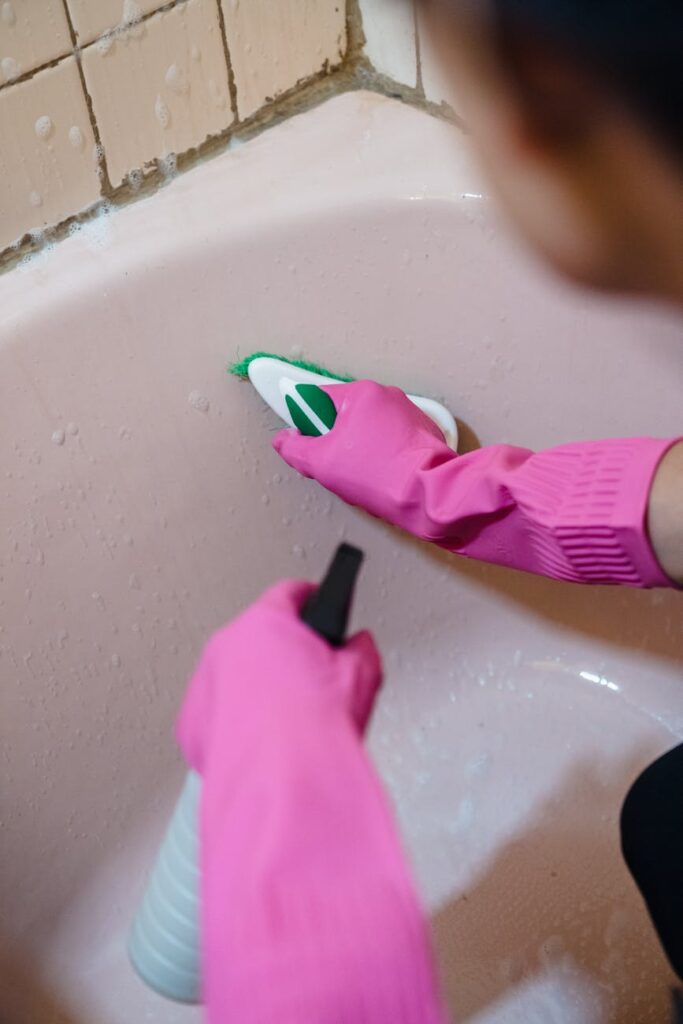
Using a scrub brush or sponge, scrub the moldy areas thoroughly. Rinse your brush frequently to avoid spreading mold spores.
Step 5: Rinse and Dry
1. Rinse the area with clean water to remove any mold residue and cleaning solution.
2. Dry the area thoroughly with a clean cloth. Ensure that there is no lingering moisture, as this could lead to mold returning.
Step 6: Dispose of Contaminated Materials
Throw away any sponges, cloths, or materials that came into contact with mold. Seal them in a bag before disposing of them.
Best Cleaning Methods
While the step-by-step guide provides an effective way to remove mold, here are some additional cleaning methods you can consider:
1. Baking Soda and Water: Mix baking soda with water to form a paste. Apply this to the mold, scrub, and rinse. Baking soda is effective at eliminating mold and odors.
2. Hydrogen Peroxide: Use a 3% hydrogen peroxide solution. Spray it on the moldy surface, let it sit for 10 minutes, then scrub and rinse. It’s a powerful fungicide.
3. Tea Tree Oil: Mix a teaspoon of tea tree oil with a cup of water. Spray and scrub. This natural method is effective and leaves a pleasant scent.
Common Mistakes to Avoid
When dealing with mold on windows, be cautious of these common pitfalls:
Prevention Tips
Preventing mold from returning is as important as cleaning it. Here are some actionable steps:
1. Maintain Indoor Humidity: Keep humidity levels below 50%. Use dehumidifiers in damp areas.
2. Improve Ventilation: Open windows regularly and consider installing exhaust fans in bathrooms and kitchens.
3. Seal Windows Properly: Check for leaks and ensure your windows are sealed to prevent drafts.
4. Use Air Purifiers: Invest in an air purifier with a HEPA filter to reduce airborne mold spores.
5. Regular Cleaning: Clean windows and frames regularly to prevent mold buildup.
Frequently Asked Questions
1. How do I know if I have mold on my windows?
Look for dark spots or patches on the window glass or frames. A musty smell can also indicate mold presence.
2. Can I remove mold myself?
Yes, you can effectively remove mold using the methods outlined in this guide. However, for extensive mold issues, consider hiring a professional.
3. Is bleach the best solution for mold removal?
While bleach is effective, it may not kill mold spores completely. Alternatives like vinegar or hydrogen peroxide can be just as effective without the drawbacks.
4. How often should I clean my windows to prevent mold?
Regular cleaning every few months is recommended, especially in humid areas.
5. Can mold on windows cause health issues?
Yes, mold can lead to respiratory problems and allergic reactions. It’s essential to address mold growth promptly.
6. What should I do if mold returns after cleaning?
Reassess your home’s humidity and ventilation. If the problem persists, consider consulting a mold remediation specialist.
By following this guide, you can take proactive steps to manage and eliminate mold on your windows, ensuring a cleaner and healthier home. Stay tuned for Part 2, where we will delve deeper into specific appliances and advanced techniques for mold prevention.