
Mold on Walls Stains Guide Part 2
Introduction
Mold on walls can be an unsightly and persistent problem in many homes. Not only does it create unattractive stains, but it can also affect air quality and lead to more extensive damage if not addressed promptly. This guide will tackle the causes of mold stains, how to effectively remove them, and ways to prevent their recurrence.
What Causes Stains?
Mold stains typically occur when moisture accumulates in specific areas of your home, creating an ideal environment for mold growth. Common causes include:
- High Humidity: Areas with high humidity levels, such as bathrooms and kitchens, are more prone to mold.
- Water Leaks: Leaking pipes, roofs, or windows can introduce moisture into your walls.
- Condensation: Poor insulation can lead to condensation on walls, fostering mold growth.
- Poor Ventilation: Inadequate airflow allows moisture to linger, creating conditions ripe for mold.
- Temperature Fluctuations: Warm air can hold more moisture, so when it cools, condensation forms on walls.
- Neglected Maintenance: Regular upkeep, including checking for leaks and ensuring proper ventilation, is often overlooked.
- Building Materials: Certain materials, like drywall and wood, are more susceptible to mold if they become damp.
- Protective gloves and mask
- Bucket
- Warm water
- Dish soap or mild detergent
- White vinegar or hydrogen peroxide
- Scrub brush or sponge
- Spray bottle
- Cloth or paper towels
- Fan (optional)
- Move furniture and cover the floor with a plastic sheet or old towels to catch any drips.
- Ensure proper ventilation by opening windows and using fans if necessary.
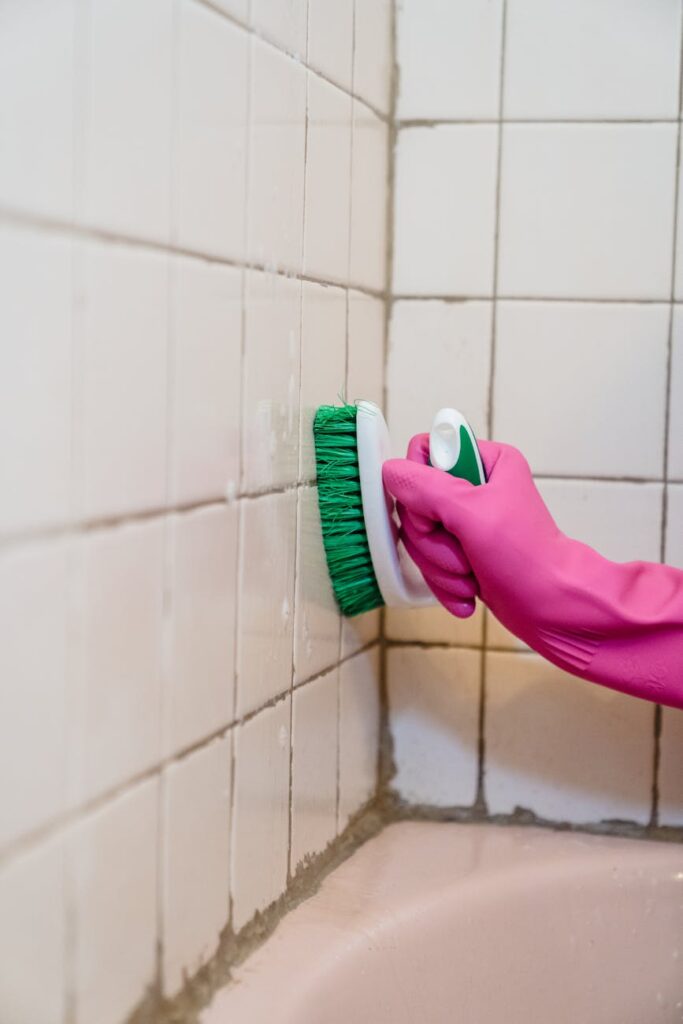
- Dip your sponge or scrub brush into the solution and gently scrub the stained area.
- For stubborn stains, spray the vinegar or hydrogen peroxide directly onto the stain and let it sit for about 10-15 minutes before scrubbing.
- Rinse the area with clean water using a sponge.
- Wipe off excess moisture with a cloth or paper towel.
- Allow the wall to dry completely. Use a fan to speed up the drying process if needed.
- Dish Soap and Water: Mix a few drops of dish soap in warm water. Scrub gently and rinse.
- Vinegar: Spray undiluted white vinegar directly onto the stain. Let it sit for 10 minutes, then scrub and rinse.
- Hydrogen Peroxide: Use a 3% hydrogen peroxide solution on tougher stains. Apply, let sit, scrub, and rinse.
- Commercial Mold Removers: If stains persist despite your efforts, consider using a commercial mold removal product. Follow the manufacturer’s instructions carefully.
- Ignoring the Source: Failing to address the root cause of moisture will lead to recurring stains.
- Using Bleach: While bleach may temporarily lighten stains, it doesn’t kill mold spores and can actually promote regrowth.
- Not Wearing Protective Gear: Always use gloves and a mask when cleaning mold to protect yourself.
- Skipping Drying: Mold thrives in moisture. Ensure the area is completely dry after cleaning.
- Control Humidity: Use a dehumidifier in areas prone to moisture, like basements and bathrooms.
- Ventilation: Ensure proper airflow by using exhaust fans in kitchens and bathrooms.
- Regular Inspections: Check for leaks and signs of mold regularly, especially after heavy rain.
- Insulation: Insulate walls and pipes to prevent condensation.
- Clean Regularly: Perform routine cleaning in high-risk areas to eliminate any potential mold spores.
Identifying the source of moisture is crucial for effective mold remediation.
Why This Problem Happens
Understanding why mold stains develop is essential for prevention. Mold thrives in warm, damp environments. Here are some common reasons why these stains appear:
Addressing these factors can significantly reduce the chances of mold stains forming in your home.
How to Fix Stains (Step-by-Step)
Removing mold stains from walls can be tackled effectively by following these steps:
Step 1: Gather Your Supplies
You’ll need:
Step 2: Prepare the Area
Step 3: Create a Cleaning Solution
Mix one cup of white vinegar or hydrogen peroxide with a gallon of warm water in a bucket. Alternatively, you can use a mixture of dish soap and water for lighter stains.
Step 4: Apply the Solution
Step 5: Rinse and Dry
Step 6: Inspect and Repeat if Necessary
After the area is dry, inspect for any remaining stains. Repeat the cleaning process if necessary.
Best Cleaning Methods
Different types of stains may require different cleaning methods:
For Light Stains
For Moderate to Heavy Stains
For Severe Cases
Common Mistakes to Avoid
When tackling mold stains, avoid these common pitfalls:
Prevention Tips
To keep mold stains at bay, implement these preventive measures:
Frequently Asked Questions
1. How can I tell if the stains are mold?
Mold stains are typically black, green, or white and have a fuzzy or slimy texture. If unsure, consider having the area tested.
2. Can I use bleach to clean mold stains?
While bleach can lighten stains, it doesn’t kill mold spores effectively. Opt for vinegar or hydrogen peroxide instead.
3. How often should I check for mold in my home?
Inspect areas prone to moisture every few months and after heavy rainfall to catch any issues early.
4. Is it safe to remove mold stains myself?
Yes, as long as you take proper precautions, such as wearing protective gear and ensuring adequate ventilation.
5. What should I do if the mold keeps coming back?
If mold returns frequently, you may need to consult a professional to assess and address underlying issues.
6. Can mold stains damage my walls?
Yes, mold can weaken wall structures and lead to more extensive damage over time if not addressed.
By understanding the causes of mold stains, following effective cleaning methods, and taking preventive measures, you can keep your home looking clean and healthy. Don’t let mold stains take hold—act quickly and decisively to maintain a mold-free environment.