
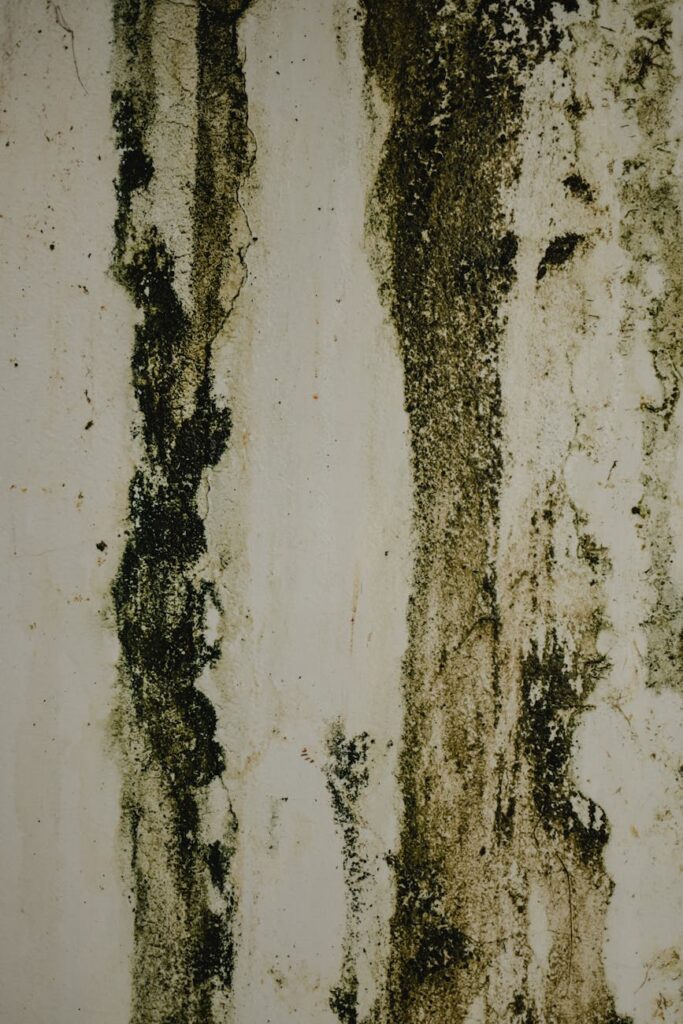
Mold on Walls Stains Guide Part 1
Introduction
Mold on walls can create unsightly stains and an unpleasant living environment. It’s a common issue homeowners face, but tackling it effectively can restore your home’s appearance and air quality. This guide will cover everything you need to know about mold stains—what causes them, how to fix them, and how to prevent them from returning.
What Causes Stains?
Mold stains on walls primarily occur due to:
1. Excess Moisture: Areas with high humidity or water leaks often develop mold.
2. Poor Ventilation: Stagnant air in poorly ventilated spaces encourages mold growth.
3. Organic Material: Mold thrives on organic materials like wood, drywall, and even dust.
4. Temperature Changes: Fluctuations between warm and cold can lead to condensation, providing moisture for mold.
Understanding these causes is the first step to effectively tackling mold stains.
Why This Problem Happens
Mold stains are not just a cosmetic issue; they indicate a larger problem. When moisture accumulates on walls, it creates an ideal environment for mold spores to flourish. If left untreated, mold can spread rapidly, leading to potential health issues and structural damage.
Common areas where mold stains appear include:
- Bathrooms
- Kitchens
- Basements
- Around windows
- Near plumbing fixtures
- Rubber gloves
- Safety goggles
- Mask (to prevent inhalation of spores)
- Bucket
- Sponge or scrub brush
- Cleaning solution (see Best Cleaning Methods section)
- Old towels or rags
- Spray bottle
- Mix: Combine equal parts of white vinegar and water.
- Apply: Spray directly onto the stain and let it sit for at least one hour before scrubbing.
- Mix: Combine 1/2 cup of baking soda with water to form a paste.
- Apply: Spread the paste on the stain and scrub after allowing it to sit for 10-15 minutes.
- Mix: Use a 3% hydrogen peroxide solution.
- Apply: Spray on the stain and let it sit for 10 minutes before scrubbing.
Ignoring these stains can have serious consequences, so it’s essential to address them promptly.
How to Fix Stains (Step-by-Step)
Follow these steps to effectively remove mold stains from your walls:
Step 1: Gather Your Supplies
You will need:
Step 2: Prepare the Area
1. Ventilate: Open windows and doors for air circulation.
2. Protect: Cover furniture and flooring with plastic sheets or old towels to prevent damage.
Step 3: Apply Cleaning Solution
1. Mix Solution: Depending on your chosen cleaning method, mix your solution in a bucket or spray bottle.
2. Test a Small Area: Before applying it to the entire stain, test it on a small, inconspicuous area to ensure it won’t damage the paint or wall surface.
Step 4: Scrub the Stains
1. Soak the Area: Apply the cleaning solution to the stained area using a sponge or scrub brush.
2. Scrub Gently: Use circular motions to lift the stain, being careful not to damage the wall.
3. Rinse: Use a clean sponge soaked in water to rinse the area.
Step 5: Dry the Area
1. Wipe Down: Use old towels or rags to absorb excess moisture.
2. Allow to Air Dry: Ensure the area is completely dry to prevent mold from returning.
Step 6: Assess and Repeat
Check the area after drying. If stains persist, repeat the cleaning process as necessary.
Best Cleaning Methods
Here are some effective cleaning methods to remove mold stains:
1. Vinegar Solution
2. Baking Soda
3. Hydrogen Peroxide
4. Commercial Mold Removers
For severe stains, consider using a commercial mold remover. Always follow the manufacturer’s instructions for the best results.
Common Mistakes to Avoid
1. Neglecting to Wear Protective Gear: Always wear gloves, goggles, and a mask to protect yourself from mold spores.
2. Using Hot Water: Hot water can actually help mold spores spread. Use cool or lukewarm water instead.
3. Scrubbing Too Hard: Excessive scrubbing can damage the wall surface and push spores deeper.
4. Ignoring Ventilation: Failing to ventilate the area can lead to further mold growth.
Prevention Tips
Preventing mold stains is far easier than removing them. Here are some effective strategies:
1. Control Humidity: Keep indoor humidity levels below 50%. Use dehumidifiers in damp areas.
2. Ventilate: Ensure proper ventilation in high-moisture areas like bathrooms and kitchens. Use exhaust fans and open windows.
3. Fix Leaks: Repair any leaks in plumbing or roofing immediately to reduce moisture accumulation.
4. Regular Cleaning: Clean areas prone to mold regularly with vinegar or baking soda to deter growth.
5. Use Mold-Resistant Products: Consider mold-resistant paints and materials for areas prone to moisture.
Frequently Asked Questions
1. How can I tell if I have mold on my walls?
Look for discoloration, black or green spots, and a musty smell. If you see these signs, it’s likely that mold is present.
2. Is mold on walls dangerous?
While not all molds are harmful, some can cause respiratory issues and allergic reactions. It’s best to remove mold promptly.
3. Can I paint over mold stains?
No, you should not paint over mold stains. This will only cover the problem, allowing mold to grow underneath. Clean the area first.
4. How do I know if the mold is gone?
After cleaning, ensure the area is completely dry and monitor it for any signs of returning stains or odors.
5. Should I hire a professional for mold removal?
If the mold covers a large area (more than 10 square feet) or if you are experiencing health issues, it’s advisable to hire a professional.
6. How often should I check for mold?
Regularly inspect areas prone to moisture, such as bathrooms and basements, at least once every few months.
By following this guide, you can effectively deal with mold stains on your walls to restore your home’s appearance and ensure a healthier living space. Stay tuned for Part 2, where we’ll delve deeper into more advanced mold issues and solutions!