
Mold on Walls Odours Guide Part 2
Introduction
Mold on walls is not just an unsightly issue; it often comes with unpleasant odours that can permeate your home. These odours can make your living space uncomfortable and even embarrassing when guests arrive. In this guide, we’ll explore the causes of these odours, why they occur, how to effectively eliminate them, and steps to prevent their return.
What Causes Odours?
Mold produces volatile organic compounds (VOCs) that give off a musty smell. These compounds are a result of the mold’s metabolic processes. When mold grows on walls, it can thrive in damp, humid conditions, releasing these odours into the air. The specific types of mold, the extent of the growth, and the materials they are growing on all influence the intensity and character of the odour.
Why This Problem Happens
1. Moisture: Mold thrives in damp environments. Areas with high humidity, leaks, or poor ventilation create ideal conditions for mold growth.
2. Organic Materials: Mold feeds on organic materials. Drywall, wood, and wallpaper can all serve as food sources, leading to more extensive growth and stronger odours.
3. Temperature Fluctuations: Warm temperatures can accelerate mold growth, particularly when combined with moisture.
4. Poor Ventilation: Stagnant air promotes mold growth. Proper airflow is essential to keeping areas dry and odor-free.
How to Fix Odours (Step-by-Step)
Step 1: Identify the Source
Before addressing the odour, locate the source of the mold. Check for water leaks, condensation, or dampness in areas like bathrooms, kitchens, and basements.
Step 2: Gather Supplies
You’ll need:
- Rubber gloves
- N95 mask
- Spray bottle
- White vinegar
- Baking soda
- Hydrogen peroxide
- Scrubbing brush or sponge
- Rags or paper towels
- Place bowls of white vinegar around the affected area for a few days.
- Use an air purifier to help reduce airborne spores and odours.
Step 3: Prepare the Area
Ensure good ventilation by opening windows and doors. Wear your gloves and mask to protect yourself from inhaling spores.
Step 4: Remove Mold
1. Vinegar Solution: Fill a spray bottle with white vinegar and spray it directly on the moldy area. Let it sit for at least an hour. Vinegar kills most types of mold.
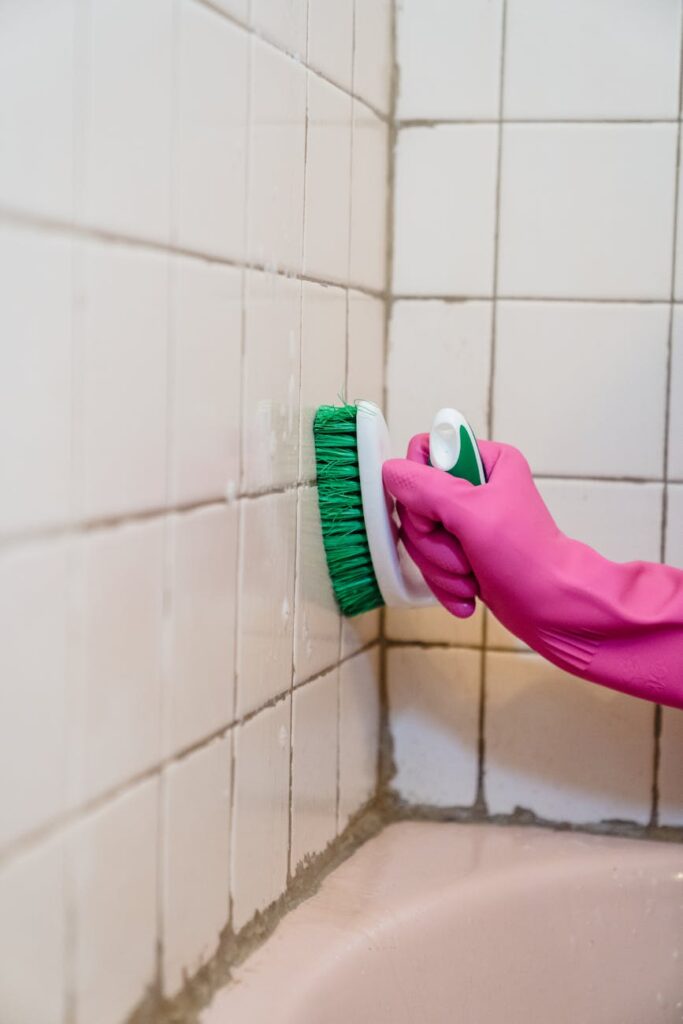
2. Scrub the Area: After letting the vinegar work, scrub the area with a brush or sponge to remove the mold. Rinse with water and dry thoroughly.
3. Baking Soda Treatment: Mix baking soda with water to form a paste. Apply it to any remaining mold spots, let it sit for about 10 minutes, then scrub and rinse.
4. Hydrogen Peroxide: For stubborn mold, spray 3% hydrogen peroxide on the area. Let it sit for 10 minutes, scrub, and rinse.
Step 5: Deodorize
To further eliminate odours, you can:
Step 6: Dry the Area
Ensure the area is completely dry. Use fans or dehumidifiers if necessary.
Best Cleaning Methods
1. Simple Vinegar Spray: Vinegar is an effective and natural mold killer. It’s safe for most surfaces and has deodorizing properties.
2. Baking Soda: Not only does it eliminate mold, but it also neutralizes odours. It’s a great multi-purpose cleaner.
3. Hydrogen Peroxide: This is effective for tougher jobs. It’s a stronger agent against mold and can penetrate porous materials.
4. Commercial Mold Removers: If natural remedies don’t work, consider using a commercially available mold remover. Always follow the manufacturer’s instructions.
Common Mistakes to Avoid
1. Ignoring the Underlying Cause: Always address the source of moisture before cleaning the mold. If you don’t fix leaks or improve ventilation, the mold will return.
2. Using Bleach: While bleach can kill surface mold, it doesn’t penetrate porous materials, allowing the mold to regrow.
3. Not Wearing Protective Gear: Mold spores can be harmful. Always wear gloves and a mask when cleaning.
4. Skipping the Drying Process: After cleaning, ensure the area is thoroughly dried to prevent future mold growth.
Prevention Tips
1. Control Humidity: Keep indoor humidity levels below 50%. Use dehumidifiers in damp areas.
2. Fix Leaks Promptly: Repair any plumbing leaks immediately to prevent moisture accumulation.
3. Ventilate: Use exhaust fans in kitchens and bathrooms and open windows regularly to improve airflow.
4. Regular Cleaning: Clean areas prone to mold regularly, especially bathrooms and basements.
5. Insulate: Proper insulation can help reduce condensation on walls and ceilings.
Frequently Asked Questions
1. How can I tell if the odour is caused by mold?
If the smell is musty or earthy and is present in damp areas of your home, it’s likely due to mold growth.
2. Can I use bleach to remove mold?
While bleach can kill surface mold, it doesn’t penetrate porous materials effectively. It’s better to use vinegar or hydrogen peroxide for more thorough removal.
3. Is it safe to sleep in a room with a moldy smell?
It’s not advisable to sleep in a room with a moldy smell, as mold can release spores and VOCs that may be harmful.
4. How do I prevent mold from returning after cleaning?
Control humidity levels, fix any leaks, and ensure proper ventilation to prevent moisture accumulation.
5. What if the mold keeps returning despite my efforts?
If mold keeps returning, consider consulting a professional to inspect for hidden moisture issues or structural problems.
6. How long does it take to remove mold odours?
After cleaning, the odour may take a few days to dissipate fully, especially if the area is still damp. Ensure thorough drying for the best results.
By following these guidelines, you can effectively tackle mold odours in your home and create a healthier, fresher living environment.