
Mold on Walls: Mould & Damp Guide Part 2
Introduction
Mould on walls is more than just an eyesore; it can signify deeper issues in your home that need to be addressed. If left untreated, mould can lead to significant damage and create an unhealthy living environment. This guide will provide you with actionable steps to identify, tackle, and prevent mould and damp issues in your home.
What Causes Mould & Damp?
Understanding the root causes of mould and damp is essential for effective treatment. Here are the primary culprits:
1. Excess Moisture: High humidity levels or water leaks can create an environment where mould thrives.
2. Poor Ventilation: Lack of airflow can trap moisture in enclosed spaces, leading to dampness.
3. Condensation: When warm air meets cold surfaces, moisture can condense, especially in bathrooms and kitchens.
4. Water Damage: Previous leaks or flooding can leave walls damp, encouraging mould growth.
5. Insufficient Insulation: Poorly insulated walls can lead to temperature fluctuations that foster condensation.
Why This Problem Happens
Mould typically appears in places where moisture accumulates. Common areas include:
- Bathrooms: Showers and baths create steam, leading to condensation.
- Kitchens: Cooking creates humidity, especially if there’s no exhaust fan.
- Basements: Ground moisture can seep through walls, particularly in older homes.
- Around Windows: Poor sealing can allow water to enter, especially during rain.
- Inspect: Look for leaks, damp spots, and areas of poor ventilation.
- Test Humidity: Use a hygrometer to check humidity levels; aim for 30-50%.
- Protect Yourself: Wear gloves, a mask, and goggles to protect against mould spores.
- Contain the Space: Seal off the area with plastic sheets to prevent spores from spreading.
- Choose a Cleaning Solution: Use a mixture of water and detergent, or a commercial mould remover.
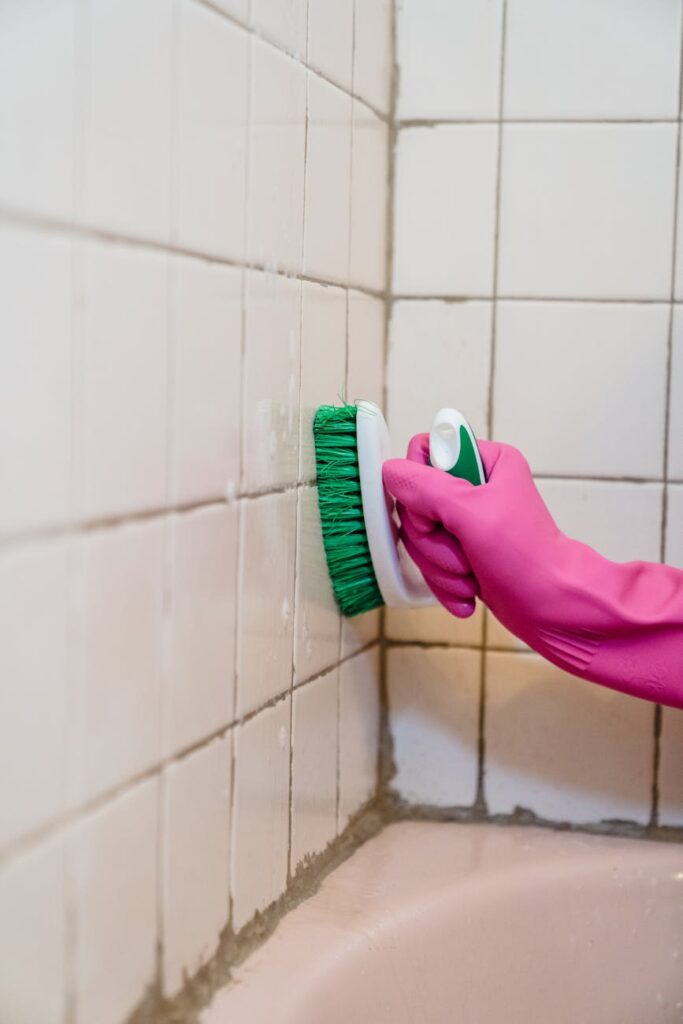
- Scrub: Apply the solution with a brush and scrub the affected area thoroughly.
- Rinse: Wipe the area with clean water and a cloth.
- Use Fans: Increase airflow with fans to help dry the area quickly.
- Dehumidifiers: Consider using a dehumidifier to reduce moisture levels.
- Patch Walls: Repair any damage to drywall or plaster that may have been compromised by mould.
- Repaint: Use anti-mould paint to prevent future growth.
- Vinegar Solution: Spray undiluted white vinegar on the mouldy area. Let it sit for an hour before wiping clean. Vinegar is a natural disinfectant and effective against many mould types.
- Baking Soda: Mix one-quarter tablespoon of baking soda with water in a spray bottle. Spray the mixture, scrub with a brush, and rinse. Baking soda not only cleans but also deodorizes.
- Hydrogen Peroxide: Use a 3% hydrogen peroxide solution. Spray it on the mould, let it sit for 10 minutes, scrub, and rinse. It’s effective for porous surfaces.
- Commercial Cleaners: If the mould is extensive, consider a commercial mould remover. Always follow the manufacturer’s instructions.
Recognizing these hotspots in your home can help you take proactive measures against mould.
How to Fix Mould & Damp (Step-by-Step)
Addressing mould and damp requires a systematic approach. Follow these steps for effective remediation:
Step 1: Identify the Source
Step 2: Prepare the Area
Step 3: Clean the Mould
Step 4: Dry the Area
Step 5: Repair Any Damage
Best Cleaning Methods
Here are effective cleaning methods for tackling mould on walls:
Common Mistakes to Avoid
When dealing with mould and damp, avoid these pitfalls:
1. Ignoring the Source: Treating mould without fixing the underlying moisture issue will lead to a recurrence.
2. Using Only Surface Cleaners: Surface cleaners may not penetrate deep enough to eliminate mould roots.
3. Not Wearing Protective Gear: Failing to wear protective gear can expose you to harmful spores.
4. Overlooking Hidden Areas: Check behind furniture and in corners; mould often hides in less visible spots.
5. Skipping the Drying Process: Failing to thoroughly dry the area can lead to new mould growth.
Prevention Tips
Preventing mould requires ongoing vigilance. Here are some effective strategies:
1. Ventilation: Ensure proper airflow in high-moisture areas. Use exhaust fans in kitchens and bathrooms.
2. Dehumidify: Use dehumidifiers in damp areas like basements. Aim to keep humidity below 50%.
3. Insulate: Proper insulation can help reduce temperature differences that lead to condensation.
4. Regular Maintenance: Check for leaks and repair them immediately. Inspect roofs, gutters, and plumbing regularly.
5. Use Mould-Resistant Products: Opt for mould-resistant paint and drywall in areas prone to dampness.
Frequently Asked Questions
1. How can I tell if I have mould on my walls?
Look for discolored patches, a musty smell, or peeling paint. If you suspect mould but can’t see it, consider using a moisture meter.
2. Is mould on walls dangerous?
Some types of mould can be harmful, particularly to those with respiratory issues. It’s best to address mould problems promptly.
3. How often should I check for mould?
Regular inspections, especially in high-humidity areas, are advisable at least once a season.
4. Can I paint over mould?
No. Always clean and treat mould before painting. Otherwise, it can reappear through the new paint.
5. What temperature prevents mould?
Maintaining a temperature below 70°F (21°C) can help reduce mould growth, but humidity control is critical.
6. Is it safe to remove mould myself?
Small areas can be managed safely with precautions. For larger infestations, or if you’re unsure, consider hiring a professional.
By understanding the causes and solutions for mould on walls, you can take proactive steps to maintain a clean and safe home environment. Regular maintenance and effective cleaning methods will keep mould at bay, ensuring your living spaces remain healthy and inviting.