
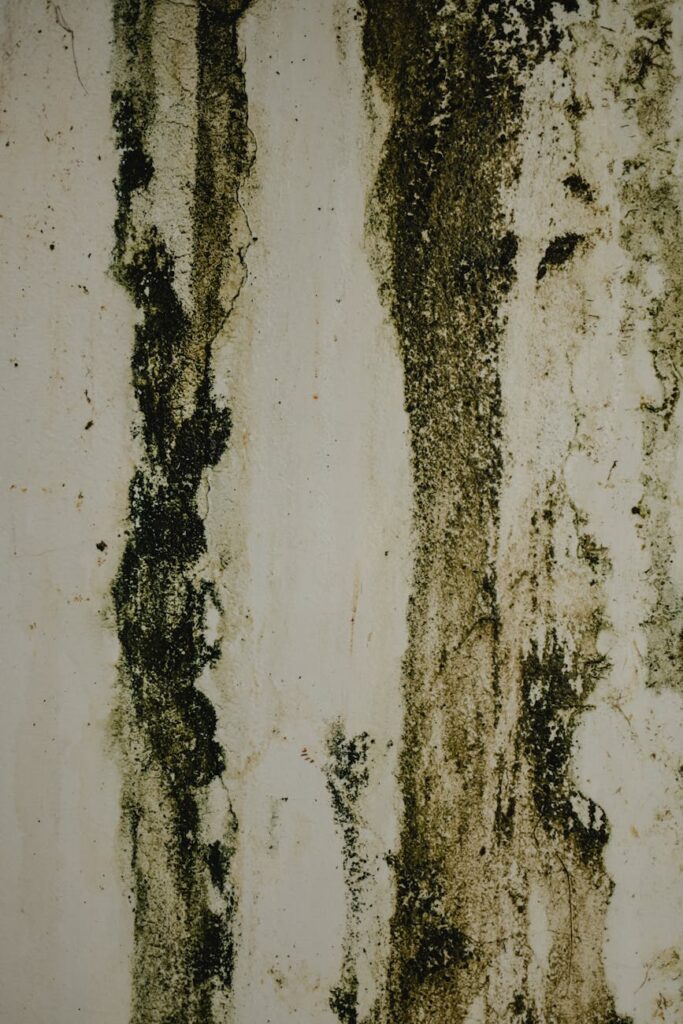
Mold on Walls Laundry Guide Part 1
Introduction
Mold on walls can be a frustrating and unsightly problem, especially when it seeps into your laundry area. Not only can it damage your walls, but it can also lead to musty odors that cling to your clothes. This guide aims to provide practical solutions to tackle mold on walls related to laundry. We’ll cover causes, solutions, and preventive measures to keep your laundry space mold-free.
What Causes Laundry?
Mold thrives in moist environments, making laundry areas particularly susceptible. Common causes of mold growth include:
- High Humidity: Areas with poor ventilation can trap moisture, creating a breeding ground for mold.
- Leaky Pipes: Any water leaks can lead to damp walls, encouraging mold growth.
- Inadequate Drying: Leaving damp clothes in the washing machine or not fully drying them can contribute to mold in the laundry area.
- Condensation: Temperature changes can cause water vapor to condense on walls, especially in colder months.
- Poor Ventilation: Lack of airflow can increase humidity levels, leading to mold growth.
- Moisture Accumulation: Water from washing machines or drying clothes can seep into walls if not properly managed.
- Organic Material: Mold feeds on organic materials, including dust and lint, which can accumulate in laundry spaces.
- Temperature Fluctuations: Rapid changes in temperature can create condensation, providing a perfect environment for mold.
- Protective gear (gloves, mask, goggles)
- Scrub brush or sponge
- Bucket
- Water
- White vinegar or hydrogen peroxide
- Baking soda
- Spray bottle
- Detergent
- Vinegar: A natural, non-toxic option that can kill most mold species.
- Baking Soda: Acts as a gentle abrasive and deodorizer.
- Hydrogen Peroxide: An effective mold killer that also disinfects surfaces.
- Commercial Mold Cleaners: If natural remedies don’t work, consider a commercial mold removal product. Always follow the manufacturer’s instructions.
- Ignoring Ventilation: Failing to ventilate the area can lead to recurring mold issues.
- Using Bleach: While bleach can kill mold, it doesn’t remove spores from porous surfaces. It can also worsen the problem if not used correctly.
- Not Taking Safety Precautions: Always wear protective gear to avoid inhaling mold spores or getting cleaning solutions on your skin.
- Skipping Maintenance: Once the mold is removed, neglecting regular cleaning and inspections can lead to a quick return.
- Improve Ventilation: Use exhaust fans or open windows while doing laundry to reduce humidity.
- Fix Leaks Promptly: Regularly check for and repair any leaks in pipes or appliances.
- Dry Clothes Immediately: Remove clothes from the washer promptly and ensure they are fully dried before putting them away.
- Control Humidity: Use a dehumidifier in your laundry area, especially in damp climates.
- Clean Regularly: Regularly clean your laundry area to remove lint and dust, which can feed mold.
Why This Problem Happens
Understanding why mold appears can help you address the issue effectively. Here are key factors that contribute to mold growth in laundry areas:
How to Fix Laundry (Step-by-Step)
If you discover mold on your laundry walls, follow these steps to remove it effectively:
Step 1: Gather Supplies
You’ll need:
Step 2: Prepare the Area
1. Clear the Space: Remove any laundry items, appliances, or furniture from the area to access the walls.
2. Ventilate: Open windows or use fans to increase airflow.
Step 3: Apply Cleaning Solution
1. Vinegar Method: Fill a spray bottle with undiluted white vinegar and spray it directly onto the moldy areas. Let it sit for at least an hour.
2. Hydrogen Peroxide Method: Alternatively, mix equal parts of hydrogen peroxide and water in a spray bottle, apply it, and let it sit for 10 minutes.
Step 4: Scrub the Mold
Using a scrub brush or sponge, scrub the affected area thoroughly. For stubborn patches, sprinkle baking soda on the sponge for added scrubbing power.
Step 5: Rinse and Dry
Rinse the area with clean water and dry it completely using a towel. Ensure the area is well-ventilated to prevent moisture buildup.
Step 6: Dispose Properly
Dispose of any cleaning materials used to avoid spreading spores.
Best Cleaning Methods
Several effective cleaning methods can help eliminate mold from your laundry walls:
Common Mistakes to Avoid
When dealing with mold on walls, avoid these common pitfalls:
Prevention Tips
Preventing mold is far easier than removing it. Here are some effective tips:
Frequently Asked Questions
1. Can I use bleach to remove mold?
While bleach can kill mold on non-porous surfaces, it doesn’t effectively address mold on porous materials like drywall. It’s often better to use vinegar or hydrogen peroxide.
2. How do I know if I have mold?
Look for discoloration, a musty smell, or peeling paint on your walls. If you suspect mold, it’s best to inspect the area thoroughly.
3. Is mold dangerous?
While not all mold types are harmful, some can cause respiratory issues and allergies. It’s essential to address mold problems promptly.
4. How can I tell if my laundry area is too humid?
If you notice condensation on windows, musty odors, or dampness on walls, your laundry area may have high humidity levels.
5. How often should I check for mold?
Regular inspections every few months can help you catch mold growth early, especially in damp conditions.
6. Can I prevent mold by painting over it?
No, painting over mold will only hide the problem. It’s crucial to clean and remove mold completely before painting.
Conclusion
Mold on walls in your laundry area is a manageable problem when approached systematically. By understanding the causes, employing effective cleaning methods, and taking preventive measures, you can maintain a clean and mold-free environment. Stay proactive, and your laundry space can remain fresh and inviting.