
Mold on Walls Kitchen Guide Part 2
Introduction
Mold on kitchen walls is more than just an eyesore; it can lead to serious issues if not addressed promptly. In this guide, we’ll explore the causes of mold, why it thrives in kitchens, and provide you with actionable steps to eliminate it. Armed with the right information, you can tackle this problem efficiently and keep your kitchen healthy.
What Causes Mold in the Kitchen?
Mold growth is typically fueled by moisture and organic material. In kitchens, several factors contribute to the perfect environment for mold:
- High Humidity: Cooking generates steam, raising humidity levels.
- Leaks: Water leaks from pipes or appliances can create damp spots.
- Poor Ventilation: Inadequate airflow allows moisture to linger.
- Spills and Food Residues: Food splatters and spills can provide nutrients for mold.
- Protective gear (gloves, mask, goggles)
- A scrub brush or sponge
- Buckets
- Cleaning solution (vinegar, baking soda, or a commercial mold remover)
- Water
- Spray bottle
- Cloths for drying
- Vinegar Solution: Mix equal parts of white vinegar and water in a spray bottle.
- Baking Soda Paste: Combine baking soda with a small amount of water to form a paste.
- Commercial Cleaner: If using a store-bought mold remover, follow the manufacturer’s instructions.
- For vinegar or commercial cleaners, spray the affected area generously. Let it sit for at least 10 minutes to penetrate the mold.
- If using baking soda paste, apply it directly to the mold and let it sit for 10-15 minutes.
- Vinegar: Effective against most molds. It’s non-toxic and safe for food areas.
- Baking Soda: A gentle abrasive that not only cleans but also deodorizes.
- Commercial Cleaners: Use only if you have extensive mold growth. Ensure they are safe for kitchen use.
- Improve Ventilation: Use exhaust fans while cooking and keep windows open when possible.
- Fix Leaks Promptly: Regularly check pipes and appliances for leaks.
- Control Humidity: Use a dehumidifier if your kitchen tends to get too humid.
- Regular Cleaning: Clean spills immediately and consider routine deep cleaning.
- Seal Cracks: Ensure that any gaps in walls or around windows are sealed to prevent moisture ingress.
Understanding these causes is key to effectively tackling mold growth.
Why This Problem Happens
Mold thrives in environments that are warm, damp, and dark. Kitchens, with their frequent use of water and heat, can easily fall into this category. Here’s why mold becomes a persistent problem:
1. Condensation: Warm air from cooking condenses on cooler surfaces, contributing to moisture.
2. Neglecting Cleanliness: Failing to clean spills or food residues can provide a habitat for mold.
3. Inadequate Maintenance: Ignoring leaks or failing to use exhaust fans can worsen the situation.
4. Seasonal Changes: Increased humidity during certain seasons can lead to mold growth if not properly managed.
Recognizing these factors can help you take proactive measures to fight mold.
How to Fix Kitchen Mold (Step-by-Step)
Follow these steps to effectively remove mold from your kitchen walls:
Step 1: Gather Supplies
You’ll need:
Step 2: Identify Affected Areas
Inspect all walls, especially areas near sinks, stoves, and dishwashers. Look for discoloration and a musty smell.
Step 3: Prepare Your Cleaning Solution
Step 4: Apply the Cleaning Solution
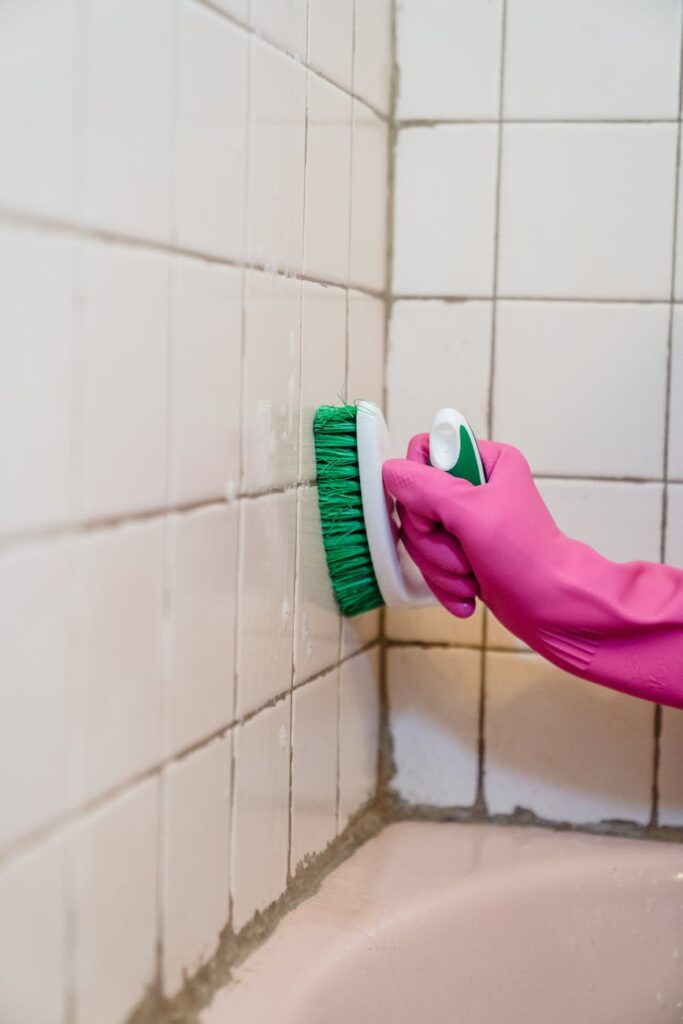
Step 5: Scrub the Area
Using a scrub brush or sponge, scrub the moldy area vigorously. Be thorough to ensure all mold is removed.
Step 6: Rinse and Dry
Rinse the area with clean water and dry it completely with a cloth. Ensure there’s no moisture left behind, as this can encourage future mold growth.
Step 7: Dispose of Materials
Dispose of any sponges or cloths used to clean mold. Ensure they are securely sealed in a plastic bag before throwing them away.
Best Cleaning Methods
The effectiveness of your cleaning method can depend on the severity of the mold. Here are the best methods:
Always test a small area first to ensure that your cleaning solution won’t damage the paint or finish on your walls.
Common Mistakes to Avoid
To ensure your mold removal is successful, avoid these common pitfalls:
1. Skipping Safety Gear: Always wear gloves and a mask to protect yourself from mold spores.
2. Using Bleach: While it can kill surface mold, bleach can also promote mold growth in porous surfaces.
3. Failing to Dry Completely: Leaving any moisture can lead to a quick return of mold.
4. Ignoring the Source of Moisture: Address any leaks or humidity issues before cleaning.
5. Overlooking Hidden Areas: Mold can grow behind cabinets or under sinks, so check those spots too.
Prevention Tips
Preventing mold is always better than dealing with it after it appears. Here are some practical tips:
Frequently Asked Questions
1. Can I use bleach to remove mold from kitchen walls?
While bleach can kill surface mold, it’s not recommended for porous surfaces like drywall, as it may promote future growth.
2. How often should I check for mold in my kitchen?
Regular checks every few months are advisable, especially after heavy cooking or during humid seasons.
3. Is mold removal safe for my health?
If you’re using proper protective gear and following safety guidelines, mold removal can be done safely. If you have allergies or respiratory issues, consider hiring professionals.
4. What if the mold keeps coming back?
Persistent mold may indicate an underlying issue such as a leak or chronic humidity. Address these issues first.
5. Can mold in the kitchen affect food safety?
Yes, mold can contaminate food surfaces. Always ensure cleaning is thorough before food preparation.
6. How do I know if I’ve removed all the mold?
Look for discoloration and smell; if the area is clean and dry, you’ve likely removed it all. You can also consider using a mold test kit for peace of mind.
By following this guide, you can effectively deal with mold on kitchen walls, ensuring a cleaner and healthier cooking environment. Stay proactive, and your kitchen will remain mold-free!