
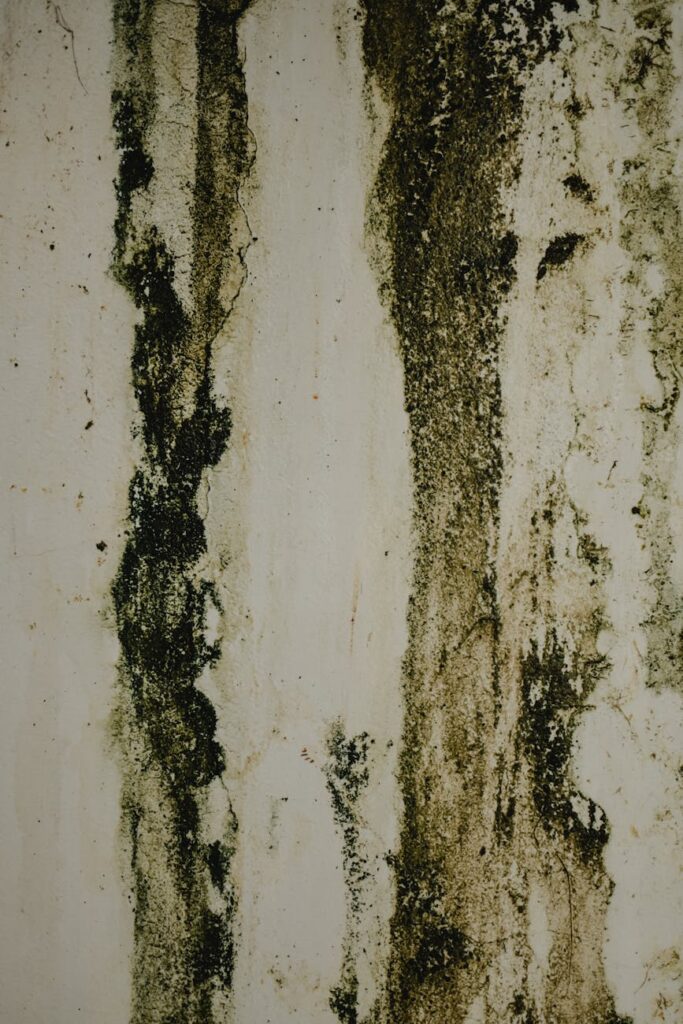
Mold on Walls Kitchen Guide Part 1
Introduction
Mold in the kitchen is more than just an unsightly nuisance; it can lead to serious issues if not addressed. This guide will help you understand the causes of mold, how to fix it effectively, and how to prevent it from returning. Let’s dive into the practical steps you can take to ensure a clean, healthy kitchen.
What Causes Kitchen Mold?
Mold thrives in damp, warm environments, and the kitchen provides the perfect conditions. Common causes include:
- High Humidity: Cooking creates steam, which increases moisture levels.
- Leaks: Water from plumbing leaks can promote mold growth.
- Poor Ventilation: Lack of airflow traps moisture.
- Food Spoilage: Uneaten food can foster mold spores.
- Rubber gloves
- Face mask
- Goggles
- Scrub brush or sponge
- Bucket
- Cleaning solution (see Best Cleaning Methods below)
- Spray bottle
- Cloth or towel
- Inspect the walls and any hidden areas, like behind appliances or under the sink. Look for discoloration or a musty smell.
- Spray the affected area with your cleaning solution. Ensure it’s thoroughly soaked to penetrate the mold.
- Use a scrub brush or sponge to remove the mold. Apply firm pressure but be gentle to avoid damaging the wall surface.
- Wipe the area with a clean, damp cloth to remove any residue. Dry the area completely with a towel.
- Seal any contaminated materials (like sponges) in a plastic bag and dispose of them safely.
- Mix equal parts white vinegar and water in a spray bottle. Spray directly on the mold and let sit for an hour before wiping clean.
- Combine baking soda and water to create a paste. Apply it to the moldy area, scrub, and rinse.
- Use a 3% hydrogen peroxide solution in a spray bottle. Spray on the mold and let sit for 10-15 minutes before scrubbing.
- If the mold is extensive, consider using a commercial mold remover. Always follow the manufacturer’s instructions.
Understanding these causes is crucial for effective remediation.
Why This Problem Happens
Mold growth in the kitchen often occurs in areas with limited airflow and high moisture. When humidity levels rise—especially during cooking or cleaning—water can condense on walls and ceilings. If these areas are not properly ventilated, it creates an ideal environment for mold spores to settle and flourish.
Additionally, small leaks from pipes or appliances can go unnoticed, gradually leading to bigger mold problems. Recognizing these factors early can save you time and effort later.
How to Fix Kitchen Mold (Step-by-Step)
Follow these clear steps to eliminate mold from your kitchen walls effectively.
Step 1: Gather Your Supplies
Step 2: Prepare the Area
1. Turn Off Electricity: Ensure that any electrical appliances near the affected area are turned off to avoid hazards.
2. Ventilate: Open windows and doors to allow fresh air in and help dry the area.
Step 3: Identify the Mold
Step 4: Apply Cleaning Solution
Step 5: Scrub the Area
Step 6: Rinse and Dry
Step 7: Dispose of Waste
Best Cleaning Methods
Here are some effective cleaning solutions for tackling mold:
1. Vinegar Solution
2. Baking Soda Paste
3. Hydrogen Peroxide
4. Commercial Mold Removers
Common Mistakes to Avoid
Avoid these pitfalls to ensure effective mold removal:
1. Ignoring Small Spots: Small patches can quickly turn into larger infestations if not addressed.
2. Using Bleach: While bleach can kill mold, it doesn’t prevent future growth and can damage surfaces.
3. Overlooking Hidden Areas: Mold often hides behind appliances and under sinks. Inspect these areas thoroughly.
4. Not Ventilating Properly: Failing to ventilate can lead to lingering moisture, setting the stage for more mold.
Prevention Tips
Once you’ve eliminated mold, take these steps to prevent its return:
1. Improve Ventilation: Use exhaust fans while cooking and open windows to increase airflow.
2. Control Humidity: Aim for indoor humidity levels below 60%. Consider using a dehumidifier.
3. Fix Leaks Promptly: Regularly check for leaks in pipes, appliances, and faucets.
4. Regular Cleaning: Clean kitchen surfaces regularly with mold-killing solutions to prevent spores from settling.
5. Seal Cracks: Inspect and seal any cracks or gaps in walls and around windows where moisture can enter.
Frequently Asked Questions
1. Can I prevent mold without cleaning?
While prevention measures can help, cleaning is essential to remove existing mold.
2. How often should I check for mold?
It’s a good idea to inspect your kitchen for mold every few months, especially in high-moisture areas.
3. Is mold removal safe for children and pets?
Ensure the area is well-ventilated and keep children and pets away during cleaning. Use non-toxic cleaning solutions when possible.
4. What if the mold keeps returning?
If mold returns despite your efforts, there may be underlying moisture issues that need professional assessment.
5. Can mold cause structural damage?
Yes, prolonged exposure to mold can weaken structures, especially if it’s behind walls or in hidden areas.
6. Is it necessary to hire a professional?
For small mold problems, DIY methods are often sufficient. However, if the mold covers an area larger than 10 square feet or if there are serious health concerns, consider hiring a professional.
By following these guidelines, you can effectively tackle mold issues in your kitchen and create a healthier environment for you and your family. Stay tuned for Part 2, where we will delve deeper into advanced mold prevention and maintenance strategies.