
Mold on Walls Cleaning Guide Part 2
Introduction
Mold on walls is more than just an eyesore; it can lead to serious damage to your home and affect indoor air quality. In this guide, we’ll delve into the causes and solutions for cleaning mold effectively. Whether it’s a small patch or a larger infestation, our actionable steps will help you tackle this household nuisance.
What Causes Mold on Walls?
Mold thrives in damp, humid environments. Here are the primary contributors to mold growth on walls:
- Humidity: High levels of humidity, often above 60%, can lead to mold growth. Bathrooms and kitchens are particularly susceptible.
- Water Leaks: Leaks from pipes, roofs, or windows can create a perfect breeding ground for mold.
- Poor Ventilation: Lack of airflow allows moisture to accumulate, fostering mold growth.
- Condensation: Cold surfaces, such as exterior walls, can attract moisture and encourage mold.
- Organic Material: Mold feeds on organic materials like dust, wood, and paper, which can be present in wall structures.
- Rubber gloves
- Safety goggles
- Face mask
- Scrub brush or sponge
- Spray bottle
- Cleaning solution (see Best Cleaning Methods section)
- Bucket
- Rags or paper towels
- Plastic sheeting (for larger infestations)
- Ensure the room is well-ventilated by opening windows and doors.
- Wear rubber gloves, goggles, and a mask to protect yourself from mold spores.
- If the mold covers a large area (greater than 10 square feet), consider sealing off the area with plastic sheeting to prevent spores from spreading.
- Vinegar Solution: Mix equal parts of white vinegar and water in a spray bottle.
- Bleach Solution: Combine one cup of bleach with one gallon of water. Note: Do not mix bleach with ammonia or other cleaners.
- Commercial Mold Remover: Follow the manufacturer’s instructions.
- Spray the affected area generously with your chosen cleaning solution.
- Allow it to sit for at least 10-15 minutes to penetrate the mold.
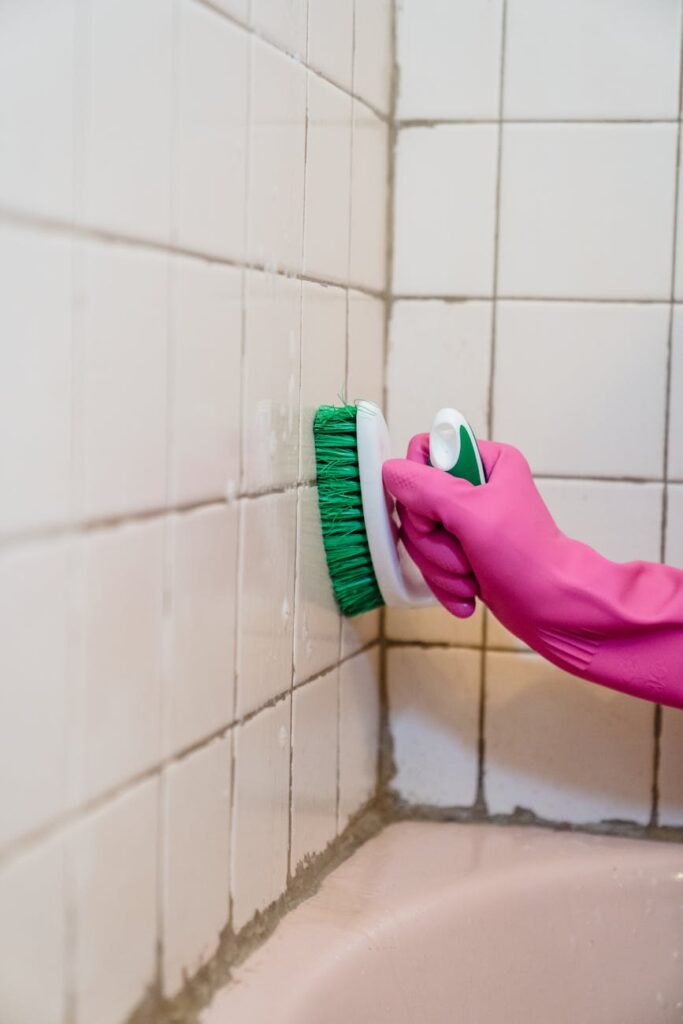
- Using a scrub brush or sponge, scrub the area vigorously to remove the mold.
- Be gentle on painted surfaces to avoid damage.
- Rinse the brush or sponge frequently to avoid spreading mold spores.
- Wipe down the area with a clean, damp rag to remove any remaining cleaning solution.
- Ensure the area is thoroughly dried to prevent mold from returning.
- Dispose of any rags, sponges, or brushes that have been contaminated with mold.
- Clean any tools used in the process with a bleach solution to prevent further contamination.
- Control Humidity: Use dehumidifiers in damp areas and keep humidity levels below 60%.
- Fix Leaks Promptly: Address any plumbing or roof leaks as soon as they are detected.
- Improve Ventilation: Use exhaust fans in kitchens and bathrooms. Consider installing vents if necessary.
- Seal Windows and Doors: Prevent moisture ingress by ensuring seals are intact.
- Regular Cleaning: Clean regularly in areas prone to moisture, such as bathrooms and kitchens.
Why This Problem Happens
Understanding why mold grows on walls is crucial for effective cleaning. Mold spores are everywhere in our environment, but they need specific conditions to thrive. When moisture is present, mold can settle on surfaces and begin to grow within 24-48 hours. It often spreads quickly, leading to larger patches that are harder to clean and can damage your walls.
How to Fix Mold on Walls (Step-by-Step)
Step 1: Gather Your Supplies
Before starting, make sure you have the following items:
Step 2: Protect Yourself and the Area
Step 3: Prepare the Cleaning Solution
Choose one of the following cleaning solutions:
Step 4: Apply the Cleaning Solution
Step 5: Scrub the Area
Step 6: Rinse and Dry
Step 7: Dispose of Contaminated Materials
Best Cleaning Methods
When it comes to cleaning mold on walls, the effectiveness of your method matters. Here are the best options:
1. Vinegar: A natural antifungal that can kill most types of mold.
2. Bleach: Highly effective for non-porous surfaces but may not penetrate porous materials like drywall.
3. Hydrogen Peroxide: A less toxic alternative to bleach that can kill mold spores.
4. Baking Soda: Acts as a mild abrasive that can help scrub away surface mold.
5. Commercial Cleaners: When in doubt, consider using a specialized mold remover for stubborn infestations.
Common Mistakes to Avoid
1. Not Wearing Protective Gear: Always wear gloves and a mask to protect yourself from mold spores.
2. Using Hot Water: Hot water can cause mold spores to become airborne. Use cool or warm water instead.
3. Ignoring the Source of Moisture: Address the root cause of moisture before cleaning to prevent mold from returning.
4. Overlooking Ventilation: Ensure proper airflow while cleaning and afterward to help dry the area.
5. Using a Brush on Porous Surfaces: Scrubbing can damage porous surfaces, making it easier for mold to return.
Prevention Tips
Preventing mold from returning is crucial for maintaining a healthy home environment. Here are some effective strategies:
Frequently Asked Questions
1. How do I know if my mold problem is serious?
If you notice extensive mold growth (larger than 10 square feet), persistent dampness, or a musty odor, consult a professional for assessment.
2. Can I use vinegar to clean mold?
Yes, vinegar is effective against many types of mold and is safe for most surfaces.
3. How often should I clean areas prone to mold?
Regular cleaning every few months in high-humidity areas can help prevent mold growth.
4. Will bleach kill mold on walls?
Bleach can kill mold on non-porous surfaces but may not penetrate porous materials effectively.
5. Can mold return after cleaning?
Yes, if the moisture issue isn’t resolved, mold can return. Address the source of moisture to prevent recurrence.
6. Is it safe to remove mold myself?
Minor mold problems can usually be addressed safely by homeowners, but large infestations should be handled by professionals.
Conclusion
Cleaning mold from walls requires diligence and the right techniques. By understanding the causes, employing effective cleaning methods, and implementing preventive measures, you can keep your home free from mold and maintain a healthy living environment. Follow this guide for a thorough, actionable approach to tackling mold on walls.