
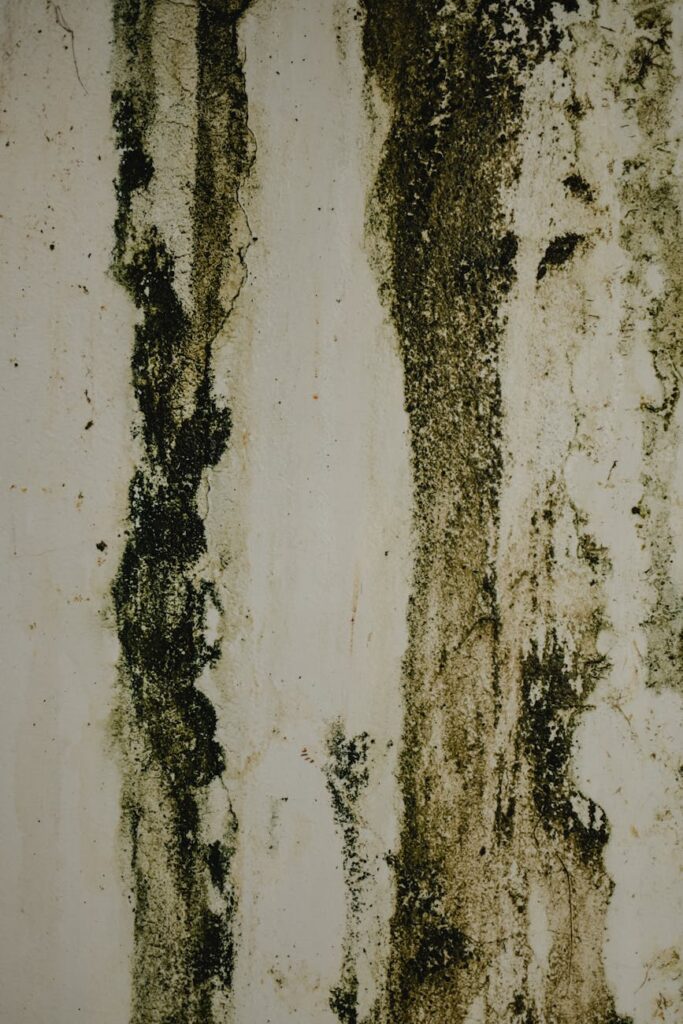
Mold on Walls Cleaning Guide Part 1
Introduction
Mold on walls is a common household issue that can arise from various factors such as humidity, leaks, or poor ventilation. Not only does it look unsightly, but it can also lead to more significant problems if left untreated. This guide will walk you through understanding mold, identifying its causes, and providing effective cleaning solutions.
What Causes Mold on Walls?
Mold thrives in damp and humid conditions. Here are the primary causes of mold growth on walls:
1. High Humidity Levels: Environments with humidity levels above 60% can encourage mold growth.
2. Water Leaks: Roof leaks, plumbing issues, or condensation can create moisture pockets.
3. Poor Ventilation: Lack of airflow in areas like bathrooms, kitchens, and basements can trap moisture.
4. Cold Surfaces: Walls that are colder than the air temperature can cause condensation, leading to mold.
5. Organic Materials: Mold feeds on organic materials such as wood, drywall, and dust.
Understanding these causes is crucial for effective mold removal and prevention.
Why This Problem Happens
Mold growth occurs when spores find a suitable environment to thrive. Here’s why it often becomes a problem:
- Climate Conditions: Areas with high rainfall or humidity are more susceptible to mold.
- Building Materials: Materials like drywall and wood provide food for mold spores.
- Daily Activities: Activities such as cooking, showering, or drying clothes indoors can increase humidity.
- Neglect: Ignoring small leaks or moisture issues allows mold to develop unnoticed.
- Protective gear (gloves, mask, goggles)
- Cleaning solution (bleach, vinegar, or commercial mold cleaner)
- Spray bottle
- Soft brush or sponge
- Bucket
- Rags or paper towels
- Ladder (if needed)
- Bleach Solution: Ideal for non-porous surfaces, bleach kills mold spores effectively. However, it doesn’t prevent future growth.
- Vinegar: A natural alternative that kills mold and is less harsh than bleach. It also helps prevent future growth.
- Baking Soda: Mix with water to form a paste. It’s effective for scrubbing and deodorizing.
- Hydrogen Peroxide: A 3% solution can be sprayed on moldy areas to kill spores and remove stains.
- Control Humidity: Use dehumidifiers in damp areas and keep humidity below 60%.
- Improve Ventilation: Install exhaust fans in kitchens and bathrooms. Open windows whenever possible.
- Fix Leaks: Regularly check for and repair any plumbing or roof leaks.
- Use Mold-Resistant Products: Consider mold-resistant paint or drywall in prone areas.
- Regular Inspections: Periodically check walls, especially in basements and attics, for signs of mold.
Identifying these underlying issues can help you address the problem effectively.
How to Fix Mold on Walls (Step-by-Step)
Cleaning mold from walls requires careful steps to ensure complete removal and prevent recurrence. Follow this guide:
Step 1: Gather Supplies
You’ll need:
Step 2: Prepare the Area
1. Ventilate the Space: Open windows and doors to provide airflow.
2. Cover Furniture: Protect furniture and flooring with plastic sheets.
3. Wear Protective Gear: Ensure you’re wearing gloves, a mask, and goggles.
Step 3: Identify the Mold
Inspect the affected area to determine the extent of the mold growth. If it covers more than 10 square feet, consider hiring a professional.
Step 4: Apply Cleaning Solution
1. For Bleach Solution: Mix one cup of bleach with one gallon of water.
2. For Vinegar: Use undiluted white vinegar in a spray bottle.
Spray the solution onto the moldy area and let it sit for 10-15 minutes.
Step 5: Scrub the Area
Using a soft brush or sponge, scrub the affected area gently to remove the mold. Be thorough but avoid damaging the wall surface.
Step 6: Rinse and Dry
1. Rinse: Wipe the area with a damp cloth to remove cleaning solution and loosened mold.
2. Dry: Use a clean rag to dry the area completely.
Step 7: Dispose of Waste
Seal any rags or materials used in a plastic bag before disposing of them to prevent spore spread.
Best Cleaning Methods
While several methods exist for cleaning mold, here are the most effective:
Choose a method based on the surface type and severity of the mold growth.
Common Mistakes to Avoid
To ensure effective cleaning, avoid these common pitfalls:
1. Skipping Protective Gear: Always wear gloves and masks to prevent exposure.
2. Using Water Alone: Water can encourage mold to spread; always use a cleaning solution.
3. Not Ventilating: Failing to ventilate the space can lead to inhalation of spores.
4. Ignoring Underlying Issues: Always address the cause of moisture to prevent recurrence.
5. Rushing the Cleaning: Take your time to ensure all mold is removed and surfaces are dried properly.
Prevention Tips
Preventing mold is as crucial as cleaning it. Here are some practical tips:
Implementing these tips can significantly reduce the likelihood of mold returning.
Frequently Asked Questions
1. How do I know if I have mold on my walls?
Look for discoloration, musty odors, or visible mold growth. Check areas prone to moisture.
2. Can I use bleach to remove mold from painted walls?
Yes, bleach is effective on non-porous surfaces but may damage the paint. Test a small area first.
3. Is vinegar effective against all types of mold?
Vinegar is effective against many common mold types but may not work on all. It’s a good starting point.
4. How can I prevent mold from coming back?
Control humidity, improve ventilation, fix leaks, and consider mold-resistant materials.
5. When should I call a professional?
If mold covers more than 10 square feet or if you have underlying health concerns, it’s best to consult a professional.
6. Can mold cause structural damage?
Yes, mold can weaken building materials over time, leading to structural issues.
By following this guide, you can effectively tackle mold on your walls and maintain a clean, healthy home environment. Stay tuned for Part 2, where we’ll delve deeper into advanced cleaning techniques and long-term prevention strategies.