
Mold on Walls Bathroom Guide Part 2
Introduction
Mold in the bathroom is a common problem that can affect both the aesthetics and health of your home. If you’ve noticed dark patches or a musty smell, it’s time to take action. This guide will walk you through understanding the causes of mold, how to effectively eliminate it, and ways to prevent it from returning.
What Causes Bathroom Mold?
Bathroom mold thrives in damp, warm environments. Several factors contribute to its growth:
1. High Humidity: Bathrooms are often humid due to showers and baths, providing an ideal breeding ground for mold.
2. Poor Ventilation: Lack of airflow can trap moisture, increasing mold growth.
3. Leaky Pipes: Water leaks can create damp spots that encourage mold.
4. Condensation: Warm air from showers can condense on walls and ceilings, leading to moisture accumulation.
5. Organic Materials: Mold feeds on organic materials found in paint, drywall, and grout.
Why This Problem Happens
Understanding why mold develops is crucial for effective removal and prevention. Some key factors include:
- Neglected Cleaning: Regular cleaning can prevent mold buildup. If cleaning is overlooked, mold can establish itself.
- Inadequate Maintenance: Small leaks or drips may go unnoticed but create the perfect conditions for mold.
- Seasonal Changes: Increased humidity in summer months can exacerbate mold growth.
- Protective gear: gloves, mask, goggles
- Cleaning solution: bleach, vinegar, or commercial mold cleaner
- Scrub brush or sponge
- Spray bottle
- Rags or paper towels
- Bucket
- Ladder (if needed)
- Ensure good ventilation by opening windows and doors.
- Remove any items around the affected area, including toiletries and towels.
- Cover nearby surfaces with plastic sheeting to protect them.
- For bleach: Mix one cup of bleach with one gallon of water in a bucket.
- For vinegar: Use undiluted white vinegar in a spray bottle.
- Apply the solution to the moldy area and let it sit for 10-15 minutes.
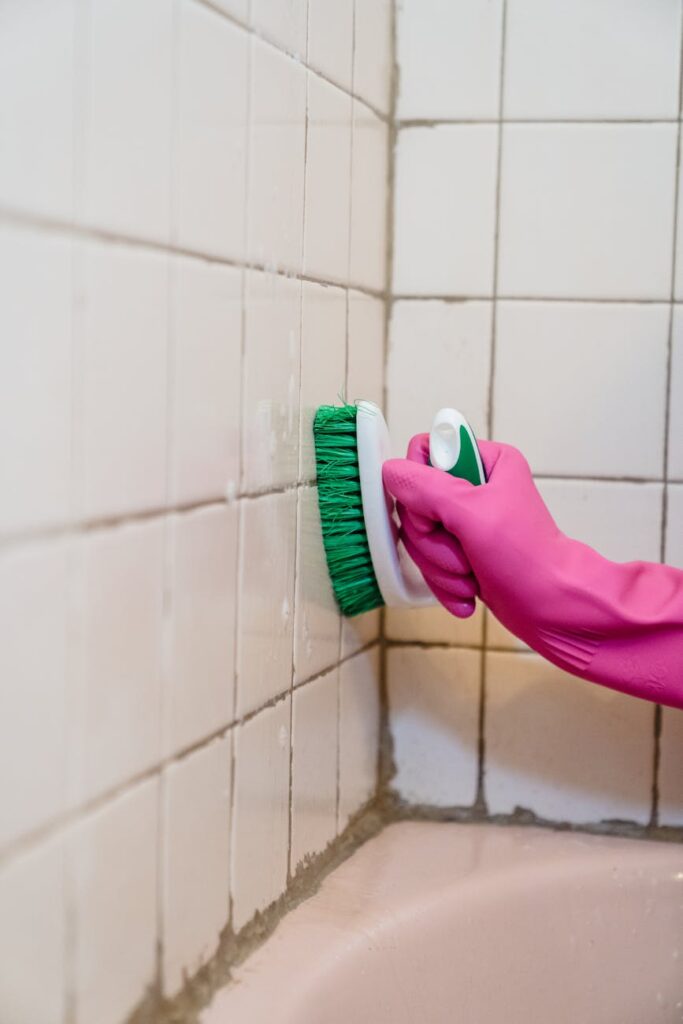
- Use a scrub brush or sponge to scrub the moldy surface.
- Be thorough, as some mold may be stubborn and require extra scrubbing.
- Rinse the area with clean water and dry it thoroughly with a towel.
- Ensure no moisture remains, as this can lead to regrowth.
- Discard any materials (rags, sponges) that have been contaminated with mold to prevent spreading.
- Effectiveness: Kills mold on non-porous surfaces.
- Usage: Mix with water and scrub the affected area.
- Effectiveness: Kills most mold species and is eco-friendly.
- Usage: Spray undiluted vinegar on the mold and let it sit.
- Effectiveness: Acts as a mild abrasive and deodorizer.
- Usage: Mix with water to form a paste and scrub the area.
- Effectiveness: Formulated specifically to combat mold.
- Usage: Follow the instructions on the label for application.
How to Fix Bathroom Mold (Step-by-Step)
Removing mold from bathroom walls can be straightforward if done correctly. Follow these steps:
Step 1: Gather Supplies
Step 2: Prepare the Area
Step 3: Apply Cleaning Solution
Step 4: Scrub the Area
Step 5: Rinse and Dry
Step 6: Dispose of Contaminated Materials
Best Cleaning Methods
Different cleaning methods can be effective against bathroom mold:
Bleach
Vinegar
Baking Soda
Commercial Mold Cleaners
Common Mistakes to Avoid
To ensure effective mold removal, avoid these common pitfalls:
1. Not Using Protective Gear: Always wear gloves and a mask to protect yourself from mold spores.
2. Using Hot Water: Hot water can cause mold spores to become airborne, spreading the issue.
3. Skipping Ventilation: Failing to ventilate the area can trap moisture and hinder cleaning efforts.
4. Not Addressing the Source: If the cause of moisture isn’t fixed, mold will return.
Prevention Tips
Preventing mold is easier than dealing with it after it appears. Here are some actionable tips:
1. Improve Ventilation: Install an exhaust fan to reduce humidity after showers.
2. Use a Dehumidifier: Consider using a dehumidifier in particularly humid bathrooms.
3. Seal Grout Lines: Regularly seal grout and caulking to prevent moisture penetration.
4. Regular Cleaning: Clean the bathroom weekly with mold-inhibiting cleaners.
5. Fix Leaks Promptly: Repair any leaks in plumbing or fixtures immediately.
6. Use Mold-Resistant Paint: Consider painting bathroom walls with mold-resistant paint.
Frequently Asked Questions
1. How can I tell if the mold is toxic?
While most bathroom mold is not toxic, it can still cause allergies or respiratory issues. If you suspect toxic mold, consider hiring a professional for testing.
2. Can I use just water to clean mold?
Water alone will not kill mold. Use a cleaning solution like vinegar, bleach, or a commercial cleaner for effective removal.
3. How often should I clean my bathroom to prevent mold?
Cleaning your bathroom at least once a week can help prevent mold growth.
4. What should I do if the mold keeps coming back?
If mold returns repeatedly, check for leaks, improve ventilation, and consider using mold-resistant products.
5. Is it safe to use bleach on painted walls?
Bleach can damage paint. Test a small, inconspicuous area first, or consider using vinegar or a commercial cleaner designed for painted surfaces.
6. Can I remove mold from drywall?
If the mold is extensive on drywall, it may be necessary to remove and replace the affected area. For small patches, use a cleaning solution and scrub thoroughly.
By following these guidelines, you can tackle mold in your bathroom effectively and prevent it from returning. Regular maintenance and prompt action are key to a mold-free environment.