
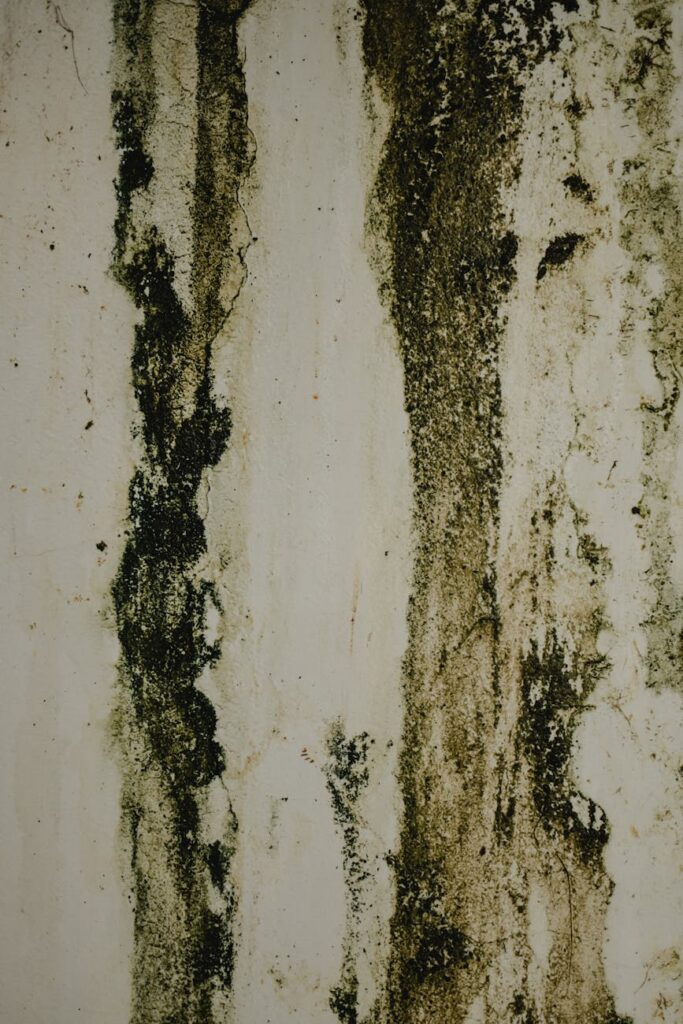
Mold on Walls Appliances Guide Part 1
Introduction
Mold on walls can be a frustrating problem for homeowners. It not only affects the aesthetics of your space but can also lead to potential health issues and damage to your home. In this guide, we will focus on appliances that contribute to mold growth on walls, how to identify them, and effective methods to tackle this issue head-on.
What Causes Appliances?
Appliances that generate moisture are often the culprits behind mold growth on walls. Here are some common appliances associated with this problem:
1. Washing Machines: If not properly maintained, washing machines can leak or generate excess humidity.
2. Dryers: A dryer vent that is clogged or improperly installed can lead to moisture accumulation.
3. Refrigerators: A malfunctioning refrigerator can lead to condensation and leaks that foster mold growth.
4. Dishwashers: Similar to washing machines, dishwashers can leak or create excess humidity when not functioning correctly.
5. Air Conditioners: If not maintained, AC units can fail to remove humidity effectively, resulting in moisture on nearby walls.
6. Humidifiers: While helpful for dry air, improper use can lead to excessive moisture, encouraging mold growth.
Why This Problem Happens
Understanding why these appliances cause mold on walls is crucial for effective prevention and remediation. Here are a few reasons:
- Excess Moisture: Most appliances mentioned above can produce moisture as part of their normal operation. When that moisture isn’t properly ventilated, it can accumulate and lead to mold growth.
- Leaking Components: A leak from an appliance can introduce water directly onto walls, creating a perfect environment for mold.
- Poor Ventilation: Areas around appliances often lack proper airflow, trapping humidity and moisture, which encourages mold.
- Temperature Fluctuations: Sudden changes in temperature can cause condensation, especially around appliances like air conditioners and refrigerators.
- Washing Machines: Check hoses for leaks; replace if necessary. Clean the drum and gaskets to prevent mold buildup.
- Dryers: Clean the vent and ductwork to ensure proper airflow.
- Refrigerators: Look for leaks at the water supply line and check door seals.
- Dishwashers: Inspect hoses and seals for leaks and replace them if needed.
- Air Conditioners: Clean the filters and ensure the condensation drain is clear.
- Humidifiers: Follow manufacturer guidelines for regular cleaning and maintenance.
- Scrub Brush: For scrubbing tougher mold spots.
- Spray Bottles: For applying cleaning solutions.
- Protective Gear: Wear gloves and a mask to avoid inhaling mold spores or harsh chemicals.
How to Fix Appliances (Step-by-Step)
1. Identify the Source: Carefully inspect all appliances for leaks or signs of moisture. Look at hoses, seals, and connections.
2. Turn Off the Appliance: For safety, turn off the appliance at the circuit breaker to avoid electrical hazards while inspecting.
3. Repair or Replace:
4. Dry the Area: Use towels or a wet/dry vacuum to remove any standing water. Ensure the affected area is thoroughly dried.
5. Inspect for Mold: If you see visible mold, it needs to be cleaned before further use of the appliance.
Best Cleaning Methods
For Mold Removal
1. Soap and Water: For small areas of mold, a simple solution of soap and water can be effective. Use a sponge or cloth to scrub the area.
2. Vinegar: Spray white vinegar directly on the moldy area. Let it sit for at least an hour before rinsing with water.
3. Bleach Solution: For tougher mold, mix one cup of bleach with a gallon of water. Apply to the affected area, scrubbing gently, and let it sit for a few minutes before rinsing.
4. Baking Soda: Mix baking soda with water to form a paste. Apply to the moldy area, let it sit, and scrub with a brush.
Essential Tools
Common Mistakes to Avoid
1. Ignoring Leaks: Don’t dismiss small leaks or signs of moisture. Address them immediately to prevent bigger issues.
2. Using the Wrong Cleaner: Avoid using ammonia-based cleaners, as they can react with bleach and create toxic fumes.
3. Not Ventilating: Always ventilate rooms with moisture-producing appliances. Use exhaust fans or open windows when operating these appliances.
4. Neglecting Regular Maintenance: Regularly inspect and maintain appliances to prevent moisture buildup.
5. Overloading Appliances: Overloading washing machines or dishwashers can lead to improper drainage and increased moisture.
Prevention Tips
1. Regular Maintenance: Schedule regular checks for all appliances. Clean filters, hoses, and seals routinely.
2. Use Dehumidifiers: In high-humidity areas, consider using dehumidifiers to manage moisture levels.
3. Ensure Proper Ventilation: Install vents and fans in areas with appliances to promote airflow and reduce humidity.
4. Monitor Indoor Humidity: Keep humidity levels between 30-50% to discourage mold growth.
5. Seal Cracks and Gaps: Check for cracks in walls or ceilings around appliances and seal them to prevent moisture infiltration.
6. Keep Areas Dry: Wipe down surfaces around appliances regularly to ensure they remain dry.
Frequently Asked Questions
1. How do I know if mold is growing behind my appliances?
Check for visible signs of mold, such as discoloration on walls or a musty odor. You may need to move the appliance to inspect the area behind it.
2. Can I use regular household cleaners to remove mold?
While some household cleaners may work, it’s best to use solutions specifically designed for mold removal for more effective results.
3. How can I tell if my appliance is the source of mold?
Inspect for leaks, excessive moisture, or signs of wear and tear. If you notice any of these issues, your appliance may be contributing to mold growth.
4. Is mold removal safe?
Yes, mold removal can be safe if you use protective gear and follow proper cleaning methods. However, extensive mold infestations may require professional help.
5. How often should I check my appliances for leaks?
Regularly inspect appliances every few months or whenever you notice signs of moisture or mold.
6. What should I do if the mold keeps coming back?
If mold returns, it may indicate unresolved moisture issues. Consider consulting a professional to identify the underlying cause and ensure proper remediation.
By understanding the role appliances play in mold growth and taking proactive steps, you can significantly reduce the risk of mold on your walls. Stay vigilant and maintain your appliances to enjoy a clean and healthy home environment.