
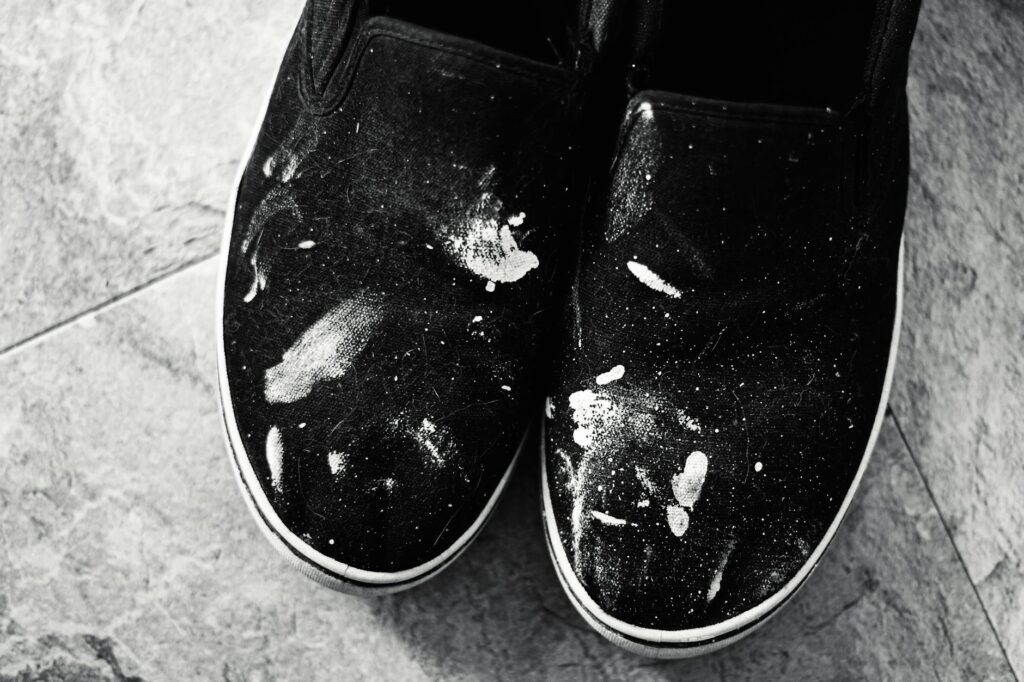
Mold on Shoes Stains Guide Part 2
Introduction
Mold stains on shoes can be a frustrating problem for homeowners. Whether it’s your favorite sneakers or a pair of leather boots, mold can quickly ruin your footwear. In this guide, we will explore the causes of mold stains, why they happen, and how to effectively remove them. We’ll also cover the best cleaning methods, common mistakes to avoid, and tips to prevent future mold growth.
What Causes Stains?
Mold stains are caused by fungal growth that thrives in damp, warm environments. Shoes can become a breeding ground for mold due to several factors:
1. Moisture: Sweat, rain, or accidental spills can leave moisture in your shoes.
2. Poor Ventilation: Storing shoes in dark, enclosed spaces can trap humidity.
3. Organic Material: Dirt, food particles, or sweat can provide nutrients for mold growth.
4. Temperature: Warm climates or heated indoor areas can encourage mold formation.
Understanding these causes is key to tackling mold stains effectively.
Why This Problem Happens
Mold thrives in specific conditions. When shoes become damp, the combination of warmth and organic material creates an ideal environment for mold. This can often lead to not just visible stains but also unpleasant odors. Factors such as prolonged storage in closets, or wearing shoes without allowing them to dry out, further exacerbate the issue.
How to Fix Stains (Step-by-Step)
Removing mold stains from shoes is a straightforward process. Follow these steps for effective cleaning:
Step 1: Gather Your Supplies
- Soft brush or toothbrush
- Mild detergent
- White vinegar
- Baking soda
- Water
- Cloth or sponge
- Spray bottle
Step 2: Brush Off Loose Mold
Using a soft brush or toothbrush, gently brush off any loose mold from the shoe’s surface. Do this outdoors to avoid spreading spores inside your home.
Step 3: Prepare Cleaning Solution
Mix equal parts of white vinegar and water in a spray bottle. If the stains are tough, add a teaspoon of mild detergent to the mixture.
Step 4: Apply the Solution
Spray the cleaning solution directly onto the affected areas of the shoes. Let it sit for about 10-15 minutes to penetrate the mold stains.
Step 5: Scrub the Area
Using a soft brush or cloth, scrub the stained areas gently. Focus on the seams and crevices where mold loves to hide.
Step 6: Rinse and Dry
Dampen another cloth with clean water and wipe away the cleaning solution. Make sure to remove all residues. Then, let your shoes air dry in a well-ventilated area, away from direct sunlight.
Step 7: Sprinkle Baking Soda (Optional)
For persistent odors, sprinkle some baking soda inside the shoes after they have dried. Let it sit overnight before shaking it out.
Best Cleaning Methods
While the vinegar solution is effective, there are other methods to consider:
1. Hydrogen Peroxide: Mix equal parts hydrogen peroxide and water. This is particularly effective on white shoes.
2. Isopropyl Alcohol: Dilute isopropyl alcohol with water for a deeper clean.
3. Commercial Mold Removers: Use products specifically designed for removing mold stains, following the manufacturer’s instructions.
Common Mistakes to Avoid
1. Ignoring Mold Growth: Delaying cleaning can lead to more extensive damage.
2. Using Harsh Chemicals: Strong bleach or ammonia can damage shoe materials.
3. Not Drying Shoes: Failing to dry shoes properly can lead to recurring mold issues.
4. Storing Wet Shoes: Always ensure shoes are dry before putting them away.
5. Using High Heat for Drying: Avoid using direct heat sources like hairdryers, as they can warp the shoes.
Prevention Tips
Preventing mold on shoes is easier than removing it. Here are some effective strategies:
1. Store Properly: Keep shoes in a cool, dry, and well-ventilated area.
2. Use Silica Gel Packs: Place silica gel packets in shoe boxes to absorb moisture.
3. Clean Regularly: Wipe down shoes after use, especially if they get wet.
4. Rotate Footwear: Avoid wearing the same pair of shoes every day to allow time for drying.
5. Choose Breathable Materials: Opt for shoes made from materials that allow air circulation.
Frequently Asked Questions
1. How can I tell if my shoes have mold?
Look for dark spots or discoloration, musty odors, and a fuzzy texture on the shoe surface.
2. Can I use bleach to remove mold stains?
It’s not recommended. Bleach can damage shoe materials and may not effectively kill mold spores.
3. How often should I clean my shoes to prevent mold?
Aim for a regular cleaning schedule, especially during humid months or after wearing them in wet conditions.
4. Can mold grow on any type of shoe?
Yes, mold can affect various materials, including leather, canvas, and synthetic fabrics.
5. What happens if I wear moldy shoes?
Wearing moldy shoes can lead to skin irritation, allergies, and unpleasant odors.
6. Are mold stains permanent?
With prompt and effective cleaning, most mold stains can be removed; however, some stubborn stains may leave a light discoloration.
By following this guide, you can tackle mold stains on your shoes effectively and prevent future occurrences. Keeping your footwear in top shape not only extends their lifespan but also ensures a healthier environment for your feet.