
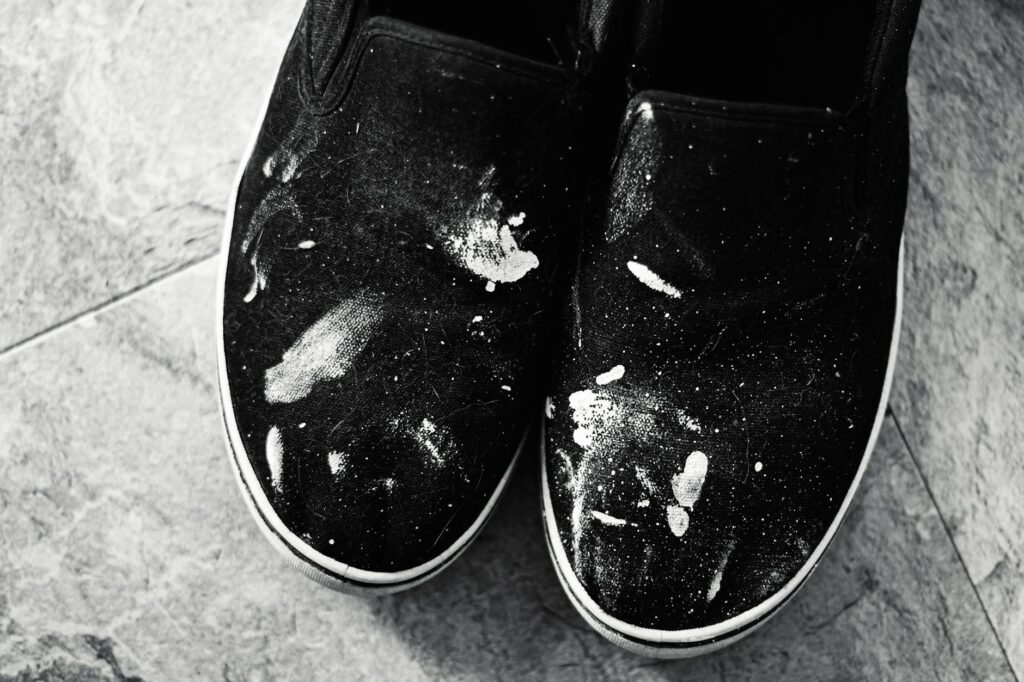
Mold on Shoes Stains Guide Part 1
Introduction
Mold on shoes is more than just an eyesore; it can lead to unpleasant odors and potential damage to your footwear. This guide will provide practical solutions for dealing with mold stains, ensuring your shoes remain clean and fresh.
What Causes Stains?
Mold stains on shoes usually result from three primary factors:
1. Moisture: Mold thrives in damp environments. Shoes that are stored in humid areas or worn in wet conditions are most susceptible.
2. Organic Material: Mold feeds on organic materials. If your shoes have food particles or other organic debris, they can attract mold growth.
3. Poor Ventilation: Shoes that are kept in poorly ventilated spaces are more likely to develop mold due to trapped moisture.
Understanding these causes will help you tackle the problem effectively.
Why This Problem Happens
Mold growth on shoes can occur for several reasons:
- Storage Conditions: Storing shoes in a damp closet or basement can create an ideal environment for mold.
- Worn in Wet Conditions: Shoes exposed to rain or wet grass without proper drying can develop mold.
- Neglect: Failing to clean shoes regularly can lead to organic build-up, making them more attractive to mold.
- Soft brush or toothbrush
- White vinegar
- Baking soda
- Rubbing alcohol
- Water
- Clean cloths
- Spray bottle
- Canvas Shoes: Use the vinegar solution and a soft brush, as described above. Canvas is durable but can be damaged by harsh chemicals.
- Leather Shoes: Mix one part rubbing alcohol with one part water. Apply sparingly with a cloth, as leather can dry out easily.
- Synthetic Materials: Most synthetic shoes can handle the vinegar solution. Always do a patch test first to ensure the material doesn’t react negatively.
- Store Shoes in a Dry Place: Keep shoes in a well-ventilated area away from moisture.
- Use Dehumidifiers: If you live in a humid climate, consider using a dehumidifier in your storage areas.
- Clean Regularly: Wipe down shoes after use, especially if they’ve been worn in wet conditions.
- Use Mold-Resistant Spray: Some sprays are designed to create a barrier against mold growth. Apply as directed.
- Rotate Shoes: Give your shoes time to breathe by rotating pairs, particularly if they are worn frequently.
Identifying the underlying cause is crucial for effective cleaning and prevention.
How to Fix Stains (Step-by-Step)
If you discover mold stains on your shoes, follow these steps for effective cleaning:
Step 1: Gather Supplies
You’ll need:
Step 2: Brush Off Loose Mold
Take a soft brush or toothbrush and gently brush off any loose mold from the surface of the shoe. Do this outdoors to avoid spreading mold spores in your home.
Step 3: Prepare Cleaning Solution
Mix equal parts of white vinegar and water in a spray bottle. This solution is effective against mold and is safe for most shoe materials.
Step 4: Apply Solution
Spray the vinegar solution onto the stained areas. Allow it to sit for about 10-15 minutes to penetrate the mold.
Step 5: Scrub Gently
Using your soft brush, scrub the affected areas gently. Avoid using too much force to prevent damaging the material.
Step 6: Rinse
Dampen a clean cloth with water and wipe away the vinegar solution. Make sure to remove all residues.
Step 7: Dry Thoroughly
Allow your shoes to air dry completely in a well-ventilated area. Avoid direct sunlight as it can cause fading or damage.
Step 8: Deodorize (Optional)
If odors persist, sprinkle baking soda inside the shoes and let it sit overnight. Shake out the excess the next day.
Best Cleaning Methods
The effectiveness of cleaning methods can vary based on shoe material. Here are some of the best methods for different types:
Common Mistakes to Avoid
1. Ignoring the Underlying Causes: Cleaning without addressing moisture and storage issues can lead to recurring mold.
2. Using Harsh Chemicals: Bleach and other harsh chemicals can damage shoe materials and may not effectively kill mold.
3. Not Drying Shoes Properly: Make sure shoes are thoroughly dried after cleaning to prevent mold from returning.
4. Skipping Regular Maintenance: Regularly clean and inspect your shoes to catch mold growth early.
Prevention Tips
Preventing mold stains on your shoes is easier than you think. Here are some actionable tips:
Frequently Asked Questions
1. Can I use bleach to remove mold from shoes?
Bleach is not recommended as it can damage shoe materials and may not effectively remove all mold spores.
2. Will mold stains come back after cleaning?
If the underlying cause (moisture, poor ventilation) is not addressed, mold can return. Ensure proper storage and maintenance.
3. How often should I clean my shoes to prevent mold?
It’s best to clean your shoes after exposure to moisture. Regular inspections every few weeks can also help.
4. Can I put my shoes in the washing machine?
Check the care label first. Some shoes can be machine washed, but others may become damaged. Always air dry.
5. What should I do if I have allergic reactions to mold?
If you have allergies, consider wearing a mask while cleaning and ensure you’re in a well-ventilated area.
6. Are there specific brands of mold-resistant sprays I should look for?
Look for products labeled as mold and mildew resistant that are safe for your shoe material. Always follow the manufacturer’s instructions.
By following these guidelines, you can effectively manage and prevent mold stains on your shoes, keeping them looking and smelling fresh. Stay tuned for Part 2 for more advanced tips and tricks!