
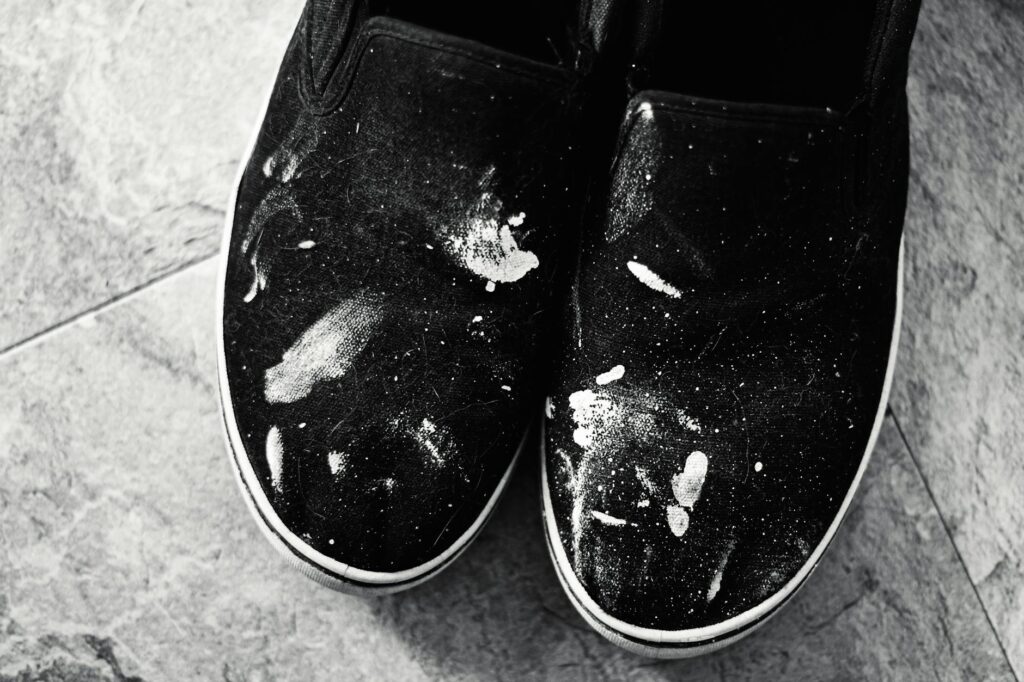
Mold on Shoes Odours Guide Part 2
Introduction
Mold on shoes can be more than just an eyesore; it can also lead to unpleasant odours that can linger long after the mold has been removed. This guide aims to help you identify the sources of these odours, understand why they occur, and provide actionable steps to eliminate them. Whether your shoes have been stored in a damp area or you’ve worn them in wet conditions, effective cleaning methods can help restore freshness.
What Causes Odours?
Odours in shoes often stem from several factors:
1. Mold Growth: Mold thrives in dark, humid environments, causing both visible growth and a musty smell.
2. Bacteria: Sweat and skin cells can create a breeding ground for bacteria, leading to foul odours.
3. Material Breakdown: Some shoe materials can break down over time, producing unpleasant smells as they degrade.
4. Environmental Factors: Shoes exposed to damp conditions or poor air circulation can absorb moisture, leading to odour development.
Why This Problem Happens
Understanding why your shoes develop odours is essential for effective cleaning:
- Humidity: If shoes are stored in a humid environment, moisture can build up, promoting mold and bacteria growth.
- Poor Ventilation: Shoes that are not allowed to air out can trap moisture and odours inside.
- Worn Out Materials: Over time, the materials in shoes can degrade, releasing odours as they break down.
- Improper Cleaning: Neglecting proper cleaning methods can result in lingering odours that are hard to eliminate.
- Mix a Solution: Combine equal parts water and white vinegar in a bowl.
- Soak and Scrub: Dip a cloth or sponge in the solution and scrub the insoles thoroughly.
- Rinse: Wipe the insoles with a clean, damp cloth to remove any vinegar residue.
- Dry: Allow the insoles to air dry completely before reinserting them into the shoes.
- Baking Soda Treatment: Sprinkle a generous amount of baking soda inside the shoes. Let it sit overnight to absorb moisture and odours.
- Vacuum: Use a handheld vacuum to remove excess baking soda the next day.
- Mix a Cleaning Solution: Create a solution using warm water and a small amount of dish soap.
- Wipe Down: Use a soft cloth to wipe the exterior of the shoes, focusing on seams and areas where dirt accumulates.
- Rinse: Wipe with a damp cloth to remove soap residue.
- Air Dry: Place the shoes in a well-ventilated area to dry completely. Avoid direct sunlight, which can warp materials.
- Use Newspaper: Stuff the shoes with crumpled newspaper to help absorb moisture and maintain shape.
How to Fix Odours (Step-by-Step)
Step 1: Remove the Insoles
Begin by taking out the insoles. Most odours are trapped in this part of the shoe.
Step 2: Clean the Insoles
Step 3: Clean the Shoe Interior
Step 4: Disinfect the Shoe Exterior
Step 5: Dry Properly
Best Cleaning Methods
1. Vinegar Solution
Vinegar is a natural deodorizer. Mix equal parts water and white vinegar and use it to clean both the insoles and the interior of the shoes.
2. Baking Soda
Baking soda is excellent for absorbing odours. Sprinkle it inside your shoes and let it sit overnight before vacuuming it out.
3. Essential Oils
Adding a few drops of essential oils like tea tree or lavender to your cleaning solution can provide a pleasant scent and additional antibacterial properties.
4. Commercial Odour Eliminators
There are various products available specifically designed to eliminate shoe odours. Look for those that contain enzymes or natural ingredients.
Common Mistakes to Avoid
1. Skipping Drying
Not allowing shoes to dry completely can encourage further mold growth. Always ensure shoes are completely dry before wearing or storing them.
2. Overusing Cleaning Products
Using too much cleaner can leave residue that attracts dirt. Always follow recommended amounts and rinse thoroughly.
3. Ignoring Storage Conditions
Storing shoes in a damp area can lead to recurring odours. Ensure they are kept in a cool, dry place.
4. Using Heat to Dry
Avoid using heat sources like hair dryers or radiators to dry shoes, as this can damage materials.
Prevention Tips
1. Rotate Shoes: Avoid wearing the same pair every day to allow them to air out.
2. Use Moisture Absorbers: Place silica gel packs or activated charcoal in your shoe storage to absorb moisture.
3. Regular Cleaning: Clean your shoes regularly to prevent odour buildup.
4. Air Out Shoes: After wearing, leave shoes in a well-ventilated area to dry completely.
5. Wear Moisture-Wicking Socks: These can help reduce sweat and moisture buildup in your shoes.
Frequently Asked Questions
1. How can I tell if my shoes have mold?
Look for visible signs such as green or black spots on the material. A musty smell is also a strong indicator.
2. Can I use bleach to clean mold off my shoes?
While bleach can kill mold, it may damage shoe materials. It’s best to use vinegar or a dedicated mold cleaner.
3. How long does it take for baking soda to remove odours?
Baking soda typically requires several hours to effectively absorb odours. Overnight is ideal.
4. What types of shoes are most prone to odours?
Shoes made of synthetic materials, such as rubber or plastic, are often more prone to trapping moisture and odours than natural materials like leather.
5. Is it okay to machine wash my shoes?
Check the care label on your shoes. Many can be machine washed, but others, especially leather or delicate materials, may need hand cleaning.
6. How often should I clean my shoes to prevent odours?
Aim to clean your shoes every few weeks, especially if worn frequently or in moist environments. Regular maintenance can prevent odour buildup.
By following these guidelines, you can effectively deal with shoe odours caused by mold, keeping your footwear fresh and pleasant to wear.