
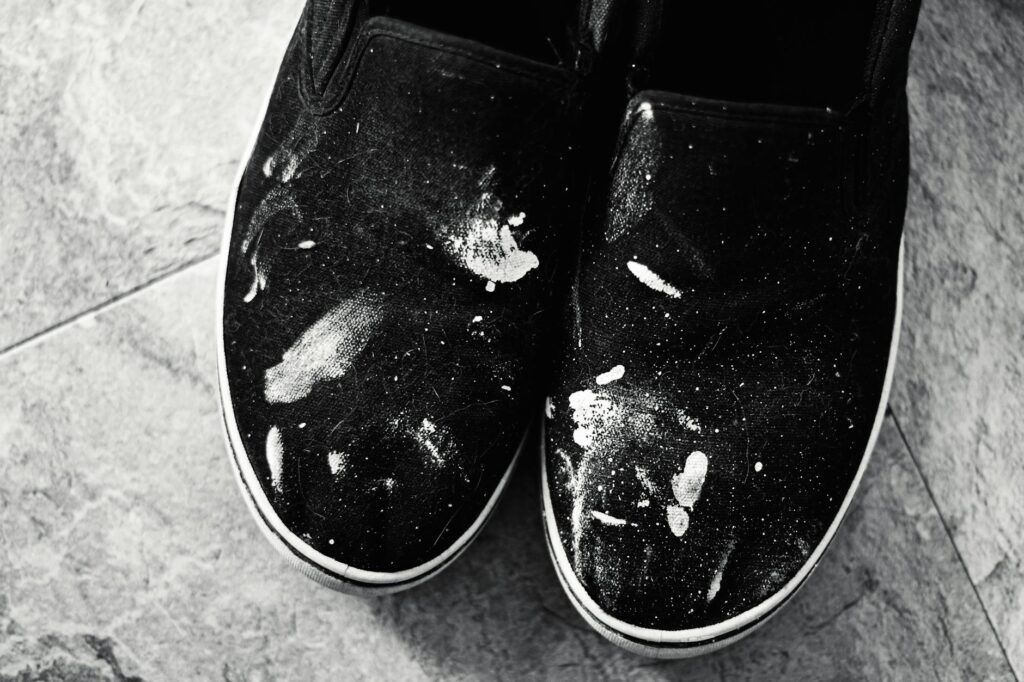
Mold on Shoes: Mould & Damp Guide Part 1
Introduction
Mold on shoes can be a frustrating issue, especially if you’ve invested in a quality pair. Not only does it look unappealing, but it can also lead to unpleasant odors and potential damage to your footwear. This guide is designed to help you understand the causes of mold and dampness, how to effectively remove it, and how to prevent it from returning.
What Causes Mould & Damp?
Mold thrives in damp, warm environments. When it comes to shoes, several factors can contribute to mold growth:
1. Humidity: High humidity levels can create the perfect breeding ground for mold spores.
2. Moisture: Shoes that get wet—whether from rain, sweat, or spills—can easily develop mold if not dried properly.
3. Poor Ventilation: Storing shoes in dark, enclosed spaces without airflow can lead to dampness and mold growth.
4. Organic Materials: Shoes made from leather or canvas can absorb moisture, making them susceptible to mold.
Understanding these causes is the first step in tackling the problem effectively.
Why This Problem Happens
Mold is a naturally occurring fungus that reproduces through spores. When these spores find a suitable environment—like a damp shoe—they can settle and begin to grow. Here are some common scenarios that lead to mold on shoes:
- Wearing Wet Shoes: If you wear shoes that have gotten wet without allowing them to dry, you’re inviting mold.
- Storing Shoes Improperly: Shoes left in a closet or storage box without airflow can retain moisture.
- Ignoring Cleaning: Failing to clean shoes regularly can allow dirt and moisture to build up, creating a perfect environment for mold.
- Soft brush or cloth
- White vinegar or rubbing alcohol
- Water
- Spray bottle
- Mild detergent
- Baking soda (optional)
- Old toothbrush (for stubborn spots)
- Leather Shoes: Use a mixture of vinegar and water. Avoid soaking as leather can be damaged.
- Canvas Shoes: They can be soaked in a vinegar solution. After soaking, scrub gently.
- Synthetic Materials: These are usually more resilient. A mild detergent mixed with water can be effective.
How to Fix Mould & Damp (Step-by-Step)
If you discover mold on your shoes, don’t panic. Follow these practical steps to remove it:
Step 1: Gather Your Supplies
Step 2: Take the Shoes Outside
Before you start cleaning, take the shoes outside to prevent spreading mold spores indoors.
Step 3: Brush Off Loose Mold
Using a soft brush or cloth, gently brush off any visible mold. Be careful not to inhale the spores.
Step 4: Prepare Your Cleaning Solution
Mix equal parts of white vinegar (or rubbing alcohol) and water in a spray bottle. This solution is effective at killing mold.
Step 5: Spray and Wipe
Spray your cleaning solution onto the affected areas. Allow it to sit for about 10-15 minutes to penetrate the mold. Then, wipe the area with a clean cloth.
Step 6: Scrub Stubborn Areas
For tough spots, use an old toothbrush to scrub the mold away gently. Be thorough but avoid damaging the shoe material.
Step 7: Rinse and Dry
After cleaning, rinse the shoes with water (if the material allows) and dry them thoroughly. Place them in a well-ventilated area, preferably in the sunlight, as UV rays help kill mold.
Step 8: Deodorize (Optional)
If there is still an odor, sprinkle baking soda inside the shoes and let it sit overnight. Shake or vacuum out the baking soda the next day.
Best Cleaning Methods
Different materials require different cleaning methods. Here’s a quick guide:
Common Mistakes to Avoid
1. Using Bleach: While bleach may seem like a strong cleaner, it can damage shoes and isn’t effective against mold spores.
2. Not Drying Properly: Failing to dry shoes after cleaning can lead to mold returning.
3. Ignoring the Source: Cleaning mold without addressing the underlying causes (like humidity) won’t solve the issue long-term.
4. Storing Shoes Wet: Always ensure shoes are completely dry before putting them away.
Prevention Tips
Preventing mold on shoes is easier than dealing with it after it forms. Here are some effective prevention tips:
1. Store in a Dry Place: Keep shoes in a cool, dry area with good ventilation. Avoid damp basements or closets.
2. Use Dehumidifiers: In areas with high humidity, consider using a dehumidifier.
3. Rotate Your Shoes: Avoid wearing the same pair frequently. Give them time to air out.
4. Use Moisture-Absorbing Inserts: Inserts can help wick moisture away from shoes.
5. Regular Cleaning: Clean your shoes regularly to prevent dirt and moisture buildup.
Frequently Asked Questions
1. Can I use bleach to clean mold off my shoes?
No, bleach can damage shoe materials and may not effectively kill mold spores.
2. How can I tell if my shoes have mold?
Look for discolored patches, a musty smell, or fuzzy growths on the surface of the shoe.
3. What if the mold returns after cleaning?
This may indicate that the underlying humidity and moisture issues have not been addressed. Ensure proper storage and ventilation.
4. How often should I clean my shoes to prevent mold?
It’s good practice to clean your shoes every few months, especially if they get wet or are stored for long periods.
5. Can mold grow on shoe insoles?
Yes, mold can grow on insoles as well. Regularly clean and replace insoles if necessary.
6. Is there a specific time of year when mold is more likely to grow on shoes?
Mold growth is more common in warm, humid months, but it can occur year-round if conditions are right.
By following this guide, you can effectively deal with mold on your shoes while preventing it from becoming a recurring issue. Keep your footwear clean and dry, and you’ll enjoy a mold-free experience!