
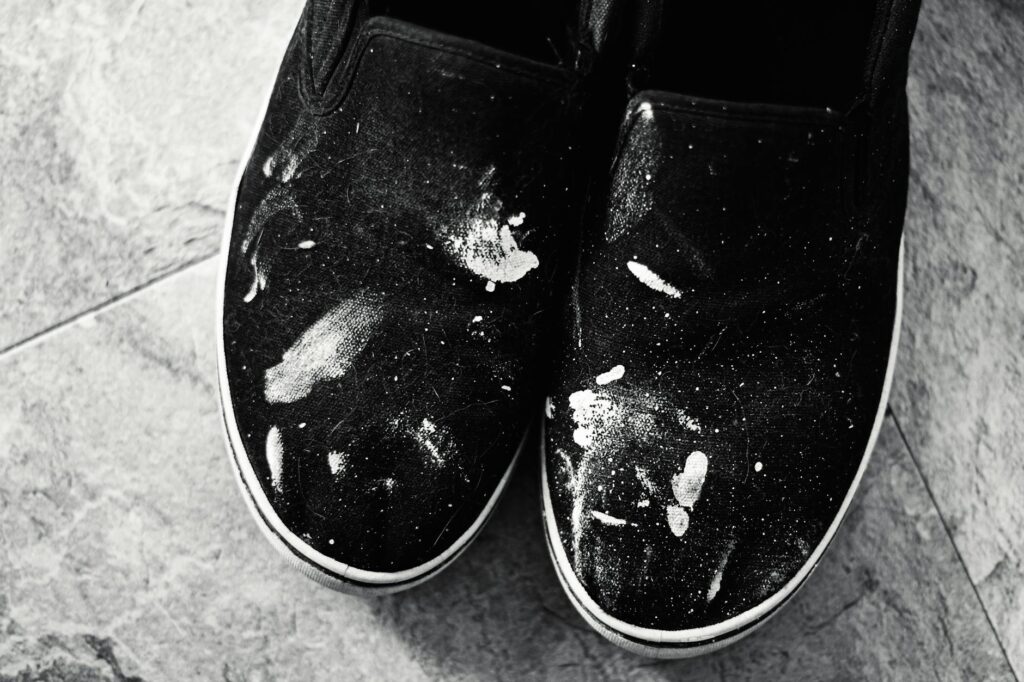
Mold on Shoes Kitchen Guide Part 2
Introduction
Mold on shoes is an all-too-common problem, especially in kitchens where moisture and heat can create the perfect breeding ground. If you’ve found mold on your favorite pair of shoes, don’t panic. This guide will help you identify the causes, fix the problem, and prevent it from happening again.
What Causes Kitchen Mold on Shoes?
Mold thrives in warm, damp environments. In kitchens, factors such as humidity, spilled liquids, and improper storage can lead to mold growth on shoes. Shoes that are consistently left in areas where moisture accumulates, such as near the sink or refrigerator, are particularly susceptible.
Common Causes Include:
- High Humidity: Kitchens often have increased humidity levels, especially during cooking.
- Spills: Food and drink spills can provide food sources for mold.
- Poor Ventilation: Lack of airflow can trap moisture.
- Wet Shoes: Shoes that are not dried properly after washing or exposure to rain can develop mold.
- Temperature: Mold prefers temperatures between 77°F and 86°F (25°C-30°C).
- Material: Certain shoe materials, like leather and canvas, can retain moisture more than others.
- Location: Shoes left in unventilated areas or near sinks are more prone to mold development.
- Soft brush or old toothbrush
- Mild detergent
- White vinegar or isopropyl alcohol
- Spray bottle
- Clean cloths
- Baking soda (optional)
- Vinegar and Water Solution: Use a 50/50 mixture of vinegar and water.
- Condition After Cleaning: Apply a leather conditioner afterward to keep the material supple.
- Soap and Water: Use a mild detergent mixed with warm water.
- Machine Wash: If the shoes are machine-washable, use a gentle cycle after pre-treating any stains.
- Bleach Solution: Mix one part bleach with ten parts water for a deep clean, but ensure proper ventilation.
- Using Too Much Water: Over-saturating shoes can worsen mold growth.
- Ignoring Drying: Failing to dry shoes thoroughly can lead to recurring mold.
- Using Harsh Chemicals: Strong chemicals can damage the shoe material, especially leather.
- Not Addressing the Source: Cleaning shoes without fixing the underlying moisture issue in the kitchen won’t solve the problem long term.
- Proper Storage: Store shoes in a cool, dry place with good airflow.
- Use Moisture-Absorbing Products: Consider using silica gel packets or activated charcoal to absorb excess moisture.
- Regular Cleaning: Clean shoes regularly to remove any potential mold spores.
- Maintain Kitchen Hygiene: Wipe up spills immediately and ensure good ventilation while cooking.
Why This Problem Happens
Understanding why mold appears can help you tackle the issue effectively. Mold spores are everywhere, but they only grow in the right conditions. When shoes are exposed to moisture and warmth, they become a perfect environment for mold to thrive.
Key Factors:
How to Fix Kitchen Mold on Shoes (Step-by-Step)
If you discover mold on your shoes, act quickly to remove it. Here’s a straightforward step-by-step process:
Step 1: Gather Your Supplies
Step 2: Remove Loose Mold
Use a soft brush or an old toothbrush to gently brush off any loose mold from the surface of the shoes. Make sure to do this outside to prevent spores from spreading indoors.
Step 3: Prepare Cleaning Solution
Mix equal parts of white vinegar and water in a spray bottle. Alternatively, you can use isopropyl alcohol. Both are effective at killing mold spores.
Step 4: Clean the Affected Area
Spray the cleaning solution directly onto the moldy areas. Let it sit for about 10-15 minutes to penetrate the mold.
Step 5: Scrub the Shoes
Using a clean cloth or the soft brush, scrub the moldy areas gently. Ensure you reach all crevices where mold may hide.
Step 6: Rinse and Dry
Wipe down the shoes with a damp cloth to remove any cleaning solution. Allow the shoes to air dry completely in a well-ventilated area, avoiding direct sunlight which can damage materials.
Step 7: Deodorize (Optional)
If any odors remain, sprinkle baking soda inside the shoes and leave it overnight. Shake out the excess baking soda the next day.
Best Cleaning Methods
Different materials require different cleaning methods. Here are some effective approaches:
For Leather Shoes:
For Canvas Shoes:
For Rubber Shoes:
Common Mistakes to Avoid
While tackling mold on shoes, it’s easy to make mistakes. Here are some common pitfalls:
Prevention Tips
Preventing mold from developing on your shoes requires a proactive approach. Here are some effective tips:
Frequently Asked Questions
1. Can I use bleach to remove mold from shoes?
While bleach is effective for some materials, it can damage fabrics and leather. Use a diluted solution of vinegar or alcohol for safer cleaning.
2. How can I prevent mold from growing on my shoes?
Store your shoes in a dry, well-ventilated area and use moisture absorbers to keep humidity levels low.
3. Is it safe to wear shoes covered in mold?
It’s best not to wear moldy shoes until they’ve been thoroughly cleaned, as mold can cause allergic reactions.
4. How often should I clean my shoes to prevent mold?
A regular cleaning schedule, especially during humid months, can help. Aim for at least once a month.
5. What should I do if mold keeps coming back?
If mold returns, assess your storage conditions and kitchen humidity. Consider using a dehumidifier if needed.
6. Can I machine wash shoes to remove mold?
Some shoes are machine washable, but always check the care instructions. Pre-treat any visible mold before washing.
By following these steps and tips, you can effectively combat mold on shoes in your kitchen and keep your footwear in great condition.