
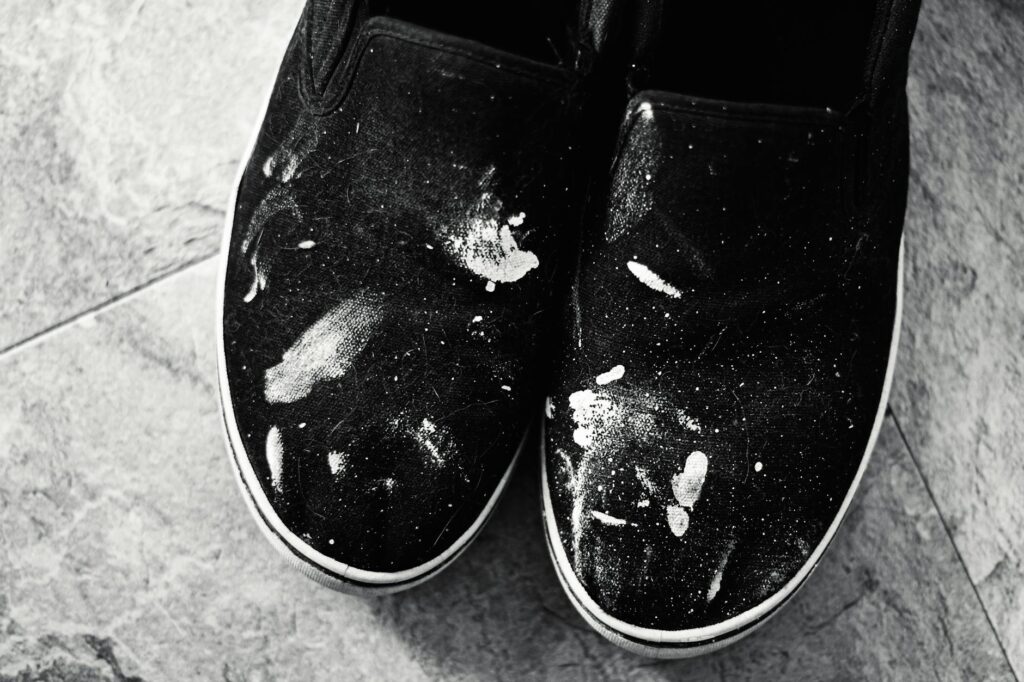
Mold on Shoes Cleaning Guide Part 2
Introduction
Mold on shoes is an unsightly and unhygienic problem that many homeowners face. Whether it’s a pair of old sneakers stored in a damp area or leather boots that haven’t been worn for a while, mold can develop quickly. This guide will help you understand the causes, effective cleaning methods, and preventive measures to keep your footwear mold-free.
What Causes Mold on Shoes?
Mold thrives in warm, damp environments. Here are the primary factors contributing to mold growth on shoes:
1. Humidity: High humidity levels create the perfect breeding ground for mold spores.
2. Lack of Airflow: Shoes stored in closed spaces with poor ventilation are more susceptible to mold.
3. Moisture: Shoes that have been worn in wet conditions and not properly dried can harbor mold.
4. Organic Materials: Natural fibers, such as leather or canvas, are more likely to develop mold compared to synthetic materials.
Understanding these causes can help you tackle the issue more effectively.
Why This Problem Happens
Mold growth on shoes typically occurs due to a combination of the factors mentioned above. If shoes are placed in a damp area, like a basement or a closet without airflow, they can quickly become a breeding ground for mold. Additionally, shoes that are worn in wet conditions—such as rain or snow—can retain moisture, leading to mold growth if not dried thoroughly.
How to Fix Mold on Shoes (Step-by-Step)
Step 1: Gather Your Supplies
Before you start cleaning, gather the necessary supplies:
- Soft brush or cloth
- White vinegar
- Baking soda
- Dish soap
- Water
- Rubbing alcohol
- Spray bottle
- Old toothbrush
- Protective gloves
Step 2: Remove Loose Mold
Take the soft brush or cloth and gently scrub the surface of the shoe to remove any loose mold. Be sure to do this outdoors or in a well-ventilated area to avoid spreading spores in your home.
Step 3: Prepare a Cleaning Solution
Mix equal parts of white vinegar and water in a spray bottle. If the mold is stubborn, add a few drops of dish soap to the solution.
Step 4: Apply the Solution
Spray the affected areas of the shoe with the cleaning solution. Let it sit for 10-15 minutes to penetrate the mold.
Step 5: Scrub the Area
Using the old toothbrush or a soft brush, scrub the moldy areas gently. Be thorough but gentle to avoid damaging the material.
Step 6: Rinse and Dry
After scrubbing, dampen a clean cloth with water and wipe down the shoe to remove any cleaning solution. Allow the shoes to air dry in a well-ventilated area, away from direct sunlight.
Step 7: Treat Persistent Mold
If mold persists, mix a solution of one part rubbing alcohol to four parts water. Apply it to the affected areas and repeat the scrubbing process.
Step 8: Deodorize (Optional)
If there’s still an odor, sprinkle baking soda inside the shoes and let it sit overnight. Shake out the excess baking soda the next day.
Best Cleaning Methods
There are various effective methods for cleaning mold off shoes. Here are some of the best:
1. Vinegar Solution: As described, vinegar is a natural mold killer and deodorizer.
2. Rubbing Alcohol: Effective for stubborn mold, it also helps disinfect the area.
3. Commercial Mold Removers: If home solutions aren’t effective, consider using a store-bought mold remover specifically designed for shoes.
4. Steam Cleaning: For shoes that can withstand heat, steam cleaning can kill mold spores effectively.
Common Mistakes to Avoid
1. Ignoring the Source: Don’t just clean the visible mold; identify and eliminate the source of moisture.
2. Using Bleach: Avoid bleach on shoes, as it can damage materials and may not effectively kill mold spores.
3. Not Drying Properly: After cleaning, ensure that shoes are thoroughly dried to prevent mold from returning.
4. Storing Wet Shoes: Never store shoes that are damp or wet; always dry them first.
Prevention Tips
1. Store Shoes Properly: Keep shoes in a cool, dry, and well-ventilated area. Consider using shoe boxes with ventilation holes.
2. Use Silica Gel Packs: Place silica gel packs inside shoes to absorb moisture.
3. Regular Cleaning: Clean shoes regularly, especially after wearing them in wet conditions.
4. Rotate Your Footwear: Avoid wearing the same pair of shoes every day to allow them time to air out.
5. Use Mold Inhibitors: There are sprays available that can help inhibit future mold growth on shoes.
Frequently Asked Questions
1. Can I use bleach to remove mold from shoes?
No, bleach can damage shoe materials and may not effectively kill mold spores.
2. How can I tell if my shoes have mold?
Visible discoloration, a musty smell, or fuzzy patches are common signs of mold on shoes.
3. Can mold on shoes make me sick?
While most mold is harmless, some individuals may experience allergic reactions. It’s best to clean mold promptly.
4. How often should I clean my shoes to prevent mold?
It’s a good idea to clean your shoes after every few wears, especially if they’ve been exposed to moisture.
5. Is it safe to wear shoes with mold after cleaning?
After thorough cleaning and ensuring the mold is gone, it should be safe to wear the shoes. However, check for any lingering odors or signs of mold.
6. What should I do if mold keeps coming back?
If mold keeps returning, check for underlying moisture issues in your storage area and consider alternative storage solutions.
By following this guide, you can effectively tackle mold on shoes and prevent it from becoming a recurring issue. Keeping your footwear clean and mold-free not only enhances their appearance but also promotes a healthier environment for your feet.