
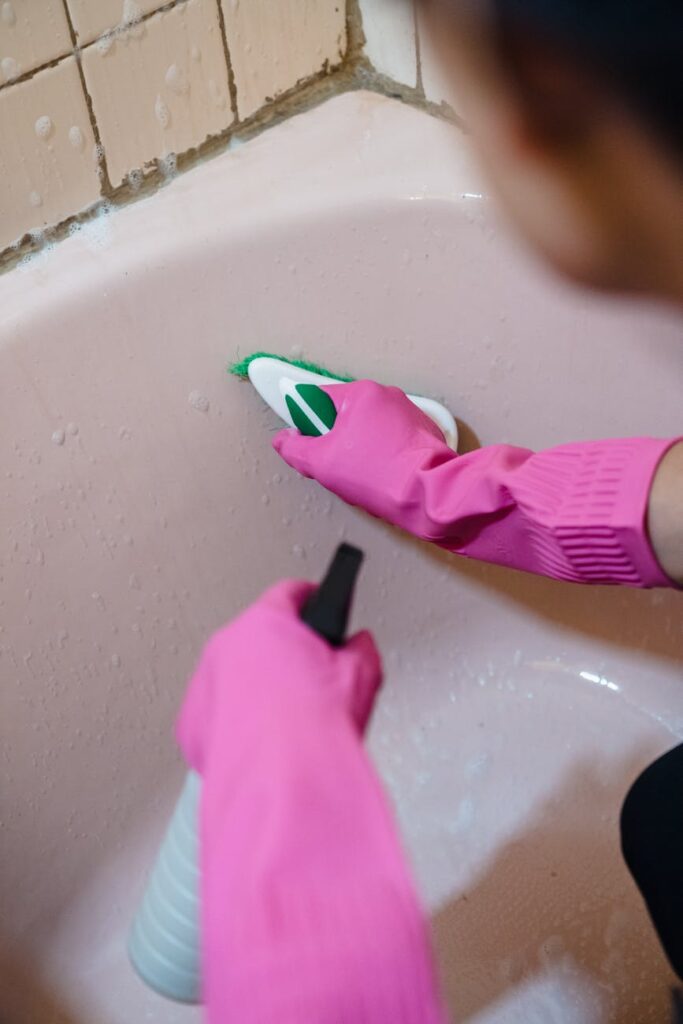
Mold on Curtains Bathroom Guide Part 1
Introduction
Mold on bathroom curtains is a common yet frustrating problem that many homeowners face. Not only does it look unsightly, but it can also emit a musty odor and may lead to health concerns if not addressed promptly. In this guide, we’ll explore the causes of mold growth on bathroom curtains, practical steps to eliminate it, and tips to prevent its return.
What Causes Mold on Bathroom Curtains?
Mold thrives in damp, warm environments, making bathrooms a prime location for growth. The following factors contribute to mold on curtains:
1. High Humidity: Bathrooms often have high humidity levels due to showers and baths.
2. Poor Ventilation: Lack of airflow can trap moisture.
3. Water Exposure: Curtains may come into direct contact with water, especially if they are near the shower or tub.
4. Organic Material: Curtains made from natural fibers can provide a food source for mold.
Why This Problem Happens
Understanding why mold appears on your bathroom curtains can help you prevent it in the future. Mold spores are present in the air and can settle on surfaces when conditions are right. High humidity levels, combined with warmth and lack of ventilation, create the perfect breeding ground.
Additionally, if your curtains are frequently damp and not given time to dry, mold can establish itself quickly. This is particularly common in homes where bathrooms are not adequately ventilated or where curtains are not washed regularly.
How to Fix Mold on Bathroom Curtains (Step-by-Step)
Getting rid of mold on your bathroom curtains doesn’t have to be a daunting task. Follow these simple steps to restore your curtains to their original state:
Step 1: Gather Your Supplies
You will need:
- A vacuum with a brush attachment
- Mild detergent
- White vinegar
- Baking soda
- A large basin or bathtub
- Soft brush or sponge
- A washing machine (if applicable)
Step 2: Remove Curtains
Carefully take down your curtains to avoid spreading the mold spores to other areas. Place them in a large basin or bathtub to contain the mess.
Step 3: Vacuum the Curtains
Use a vacuum with a brush attachment to remove loose mold spores and dirt. Be sure to do this outside or in a well-ventilated area to avoid inhaling spores.
Step 4: Create a Cleaning Solution
Mix a solution of one cup of white vinegar and two cups of water in a basin or bathtub. Vinegar is a natural mold killer that is safe for most fabrics.
Step 5: Soak the Curtains
Submerge the curtains in the vinegar solution and allow them to soak for 30 minutes. This helps to break down the mold.
Step 6: Scrub Gently
After soaking, use a soft brush or sponge to gently scrub any remaining mold spots. Be careful not to damage the fabric.
Step 7: Rinse Thoroughly
Rinse the curtains under running water to remove any cleaning solution and loosened mold.
Step 8: Wash in Machine (if applicable)
If the fabric is machine washable, run it through a cycle with a mild detergent. Add half a cup of baking soda to the wash for extra cleaning power.
Step 9: Dry Properly
Dry the curtains in a well-ventilated area or outside in the sun, if possible. Ensure they are completely dry to prevent mold from returning.
Best Cleaning Methods
1. Vinegar and Baking Soda: A natural combination that effectively kills mold and neutralizes odors.
2. Bleach Solution: For tough mold stains, a diluted bleach solution can be effective. Mix one part bleach with ten parts water. Always test a small area first to ensure fabric safety.
3. Commercial Mold Removers: Some products are specifically designed for mold removal. Check labels for fabric compatibility and follow instructions carefully.
Common Mistakes to Avoid
1. Ignoring the Problem: Delaying removal will only make the problem worse.
2. Using Harsh Chemicals: Strong chemicals can damage fabric and may not be necessary for moderate mold growth.
3. Not Drying Properly: Failing to dry curtains thoroughly can allow mold to return quickly.
4. Skipping Regular Cleaning: Regular maintenance can help prevent mold growth in the first place.
Prevention Tips
1. Improve Ventilation: Use an exhaust fan or open windows during and after showers to reduce humidity.
2. Use Mold-Resistant Curtains: Consider curtains treated with mold-resistant coatings or made from synthetic materials that resist moisture.
3. Regular Cleaning: Wash curtains regularly to remove any potential mold spores before they take hold.
4. Keep the Bathroom Dry: Wipe down surfaces after use and consider using a squeegee on shower walls.
5. Use a Dehumidifier: If your bathroom remains humid, a dehumidifier can help reduce moisture levels effectively.
Frequently Asked Questions
1. How often should I wash my bathroom curtains?
Aim to wash your bathroom curtains every 1-3 months, depending on humidity levels and how often you use the bathroom.
2. Can I use bleach to clean mold on curtains?
Yes, but use it sparingly and always test a small area first. Dilute it properly to prevent damage to the fabric.
3. What type of curtains are best for bathrooms?
Synthetic materials like polyester are more resistant to moisture and mold compared to natural fibers.
4. How can I tell if my curtains are moldy?
Look for dark spots, discoloration, or a musty smell. If you notice any, it’s time to clean them.
5. Is it safe to hang wet curtains?
No, hanging wet curtains can promote mold growth. Always ensure they are dry before hanging.
6. What should I do if mold keeps returning?
If mold keeps returning, it may be due to persistent humidity or inadequate ventilation. Consider making changes to your bathroom setup to improve airflow and reduce moisture.
By following these guidelines, you can effectively tackle mold on your bathroom curtains and keep your space clean and healthy. Stay tuned for Part 2, where we’ll delve deeper into advanced mold prevention techniques and long-term solutions.