
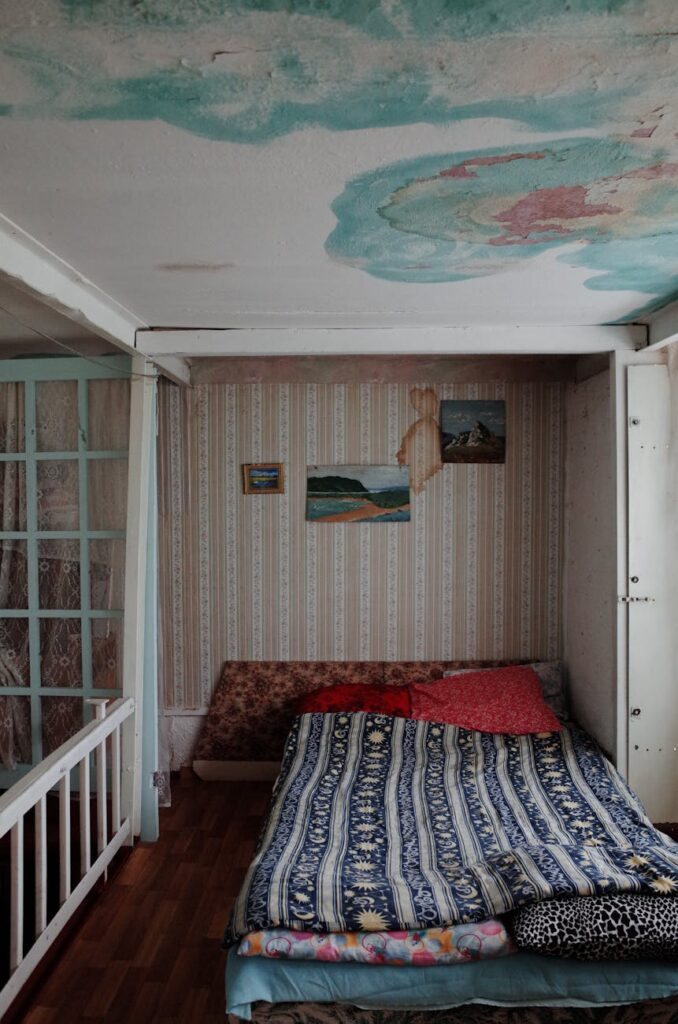
Mold on Ceiling Stains Guide Part 2
Introduction
Mold on ceilings can be unsightly and a source of frustration for many homeowners. These stains not only detract from your home’s appearance but can also signify deeper issues related to moisture and ventilation. This guide will help you understand what causes these stains, how to effectively clean them, and how to prevent them from returning.
What Causes Stains?
Mold stains on ceilings are primarily caused by excess moisture. This can result from various factors:
- Humidity: High humidity levels in your home can create an environment conducive to mold growth.
- Leaks: Roof or plumbing leaks can introduce water into your living space, leading to mold.
- Condensation: Poor insulation or ventilation can cause condensation to form on ceilings, promoting mold growth.
- Inadequate Ventilation: Areas like bathrooms and kitchens often lack proper airflow, making them susceptible to mold.
- Ladder
- Mask
- Safety goggles
- Gloves
- Spray bottle
- Cleaning solution (vinegar, bleach, or commercial mold remover)
- Soft cloth or sponge
- Bucket
- Water
- Dry cloth
- Move furniture and cover the floor with a drop cloth to protect it from debris and cleaning solutions.
- Ensure proper ventilation by opening windows and using fans if necessary.
- Fill a spray bottle with undiluted white vinegar.
- Spray the affected area generously and let it sit for at least 30 minutes.
- Mix one cup of bleach with one gallon of water.
- Apply the solution to the stained area using a sponge or cloth.
- Follow the manufacturer’s instructions, applying as directed.
- Rinse the area with clean water to remove any residue.
- Use a dry cloth to soak up excess moisture.
- Allow the area to air dry completely.
- Vinegar: A natural, effective solution that kills most mold species. It’s non-toxic and safe for most surfaces.
- Bleach: Works well for non-porous surfaces but may not penetrate porous materials effectively. Use with caution due to its harshness and fumes.
- Commercial Mold Removers: Often contain specialized chemicals designed to target mold specifically. Follow instructions carefully for safe use.
- Ignoring the Source: Cleaning mold without addressing moisture sources will lead to recurrence.
- Using Too Much Water: Excessive moisture can worsen the problem. Use just enough to dampen the area.
- Scrubbing Aggressively: This can damage surfaces and spread mold spores. Gentle cleaning is more effective.
- Forgetting to Ventilate: Not allowing air circulation can trap moisture and hinder the drying process.
- Control Humidity: Aim to keep indoor humidity below 50%. Use dehumidifiers if necessary.
- Ensure Proper Ventilation: Open windows and use exhaust fans in high-moisture areas like kitchens and bathrooms.
- Fix Leaks Promptly: Regularly check your roof, plumbing, and windows for leaks and repair them immediately.
- Insulate Properly: Ensure adequate insulation in attics and other areas to reduce condensation.
- Regular Cleaning: Clean ceilings and walls with a vinegar solution regularly to discourage mold growth.
Understanding these causes will help you address the underlying issues, ensuring a long-term solution to the problem.
Why This Problem Happens
Mold thrives in damp, dark environments. When the conditions are right—like in poorly ventilated spaces with high humidity or water exposure—mold can quickly colonize. Stains form as mold spores reproduce and release pigments. Over time, these stains can penetrate the ceiling material, making them harder to remove.
Additionally, mold can be a sign of more serious issues, such as structural damage or health risks. Addressing the root cause is crucial for effective remediation.
How to Fix Stains (Step-by-Step)
Cleaning mold stains from your ceiling doesn’t have to be daunting. Follow these steps for effective removal:
Step 1: Gather Your Supplies
Before you start, gather the following materials:
Step 2: Prepare the Area
Step 3: Safety First
Wear your mask, goggles, and gloves to protect yourself from mold spores and cleaning chemicals.
Step 4: Apply Cleaning Solution
1. Vinegar Method:
2. Bleach Method:
3. Commercial Cleaner:
Step 5: Scrub the Stains
After allowing the solution to sit, use a soft cloth or sponge to scrub the stained area gently. Avoid aggressive scrubbing to prevent damage to the ceiling.
Step 6: Rinse and Dry
Step 7: Check for Recurrent Problems
Inspect the surrounding areas for any signs of ongoing moisture issues. Address these problems to prevent future mold growth.
Best Cleaning Methods
When it comes to mold stains, effectiveness and safety are paramount. Here are the best methods to tackle the problem:
Choose the method that best suits your needs, keeping in mind the surface type and extent of the mold growth.
Common Mistakes to Avoid
When dealing with mold stains, avoid these pitfalls:
Prevention Tips
Preventing mold growth is always easier than cleaning it. Here are some tips to keep your ceilings mold-free:
Frequently Asked Questions
1. Can I use vinegar on all ceiling types?
Yes, vinegar is generally safe for most ceiling types. However, always test a small, inconspicuous area first.
2. How often should I check for mold?
Inspect areas prone to moisture (like bathrooms and kitchens) at least once a month.
3. Is it safe to use bleach indoors?
Bleach can release harmful fumes. Always ensure proper ventilation when using it indoors.
4. What if the stain doesn’t come off after cleaning?
If the stain persists, it may be embedded in the material. You might need to repaint the ceiling with a mold-resistant paint after cleaning.
5. Can I paint over mold stains?
No, painting over mold stains is not advisable. It’s important to remove the mold first to avoid further growth and health issues.
6. Are there any natural alternatives to commercial cleaners?
Yes, options like hydrogen peroxide and baking soda can be effective for mold removal. Mix hydrogen peroxide with water in a spray bottle, or create a paste with baking soda and water for scrubbing.
By following this guide, you can effectively remove mold stains from your ceiling and prevent them from returning, ensuring a healthier and more attractive living space.