
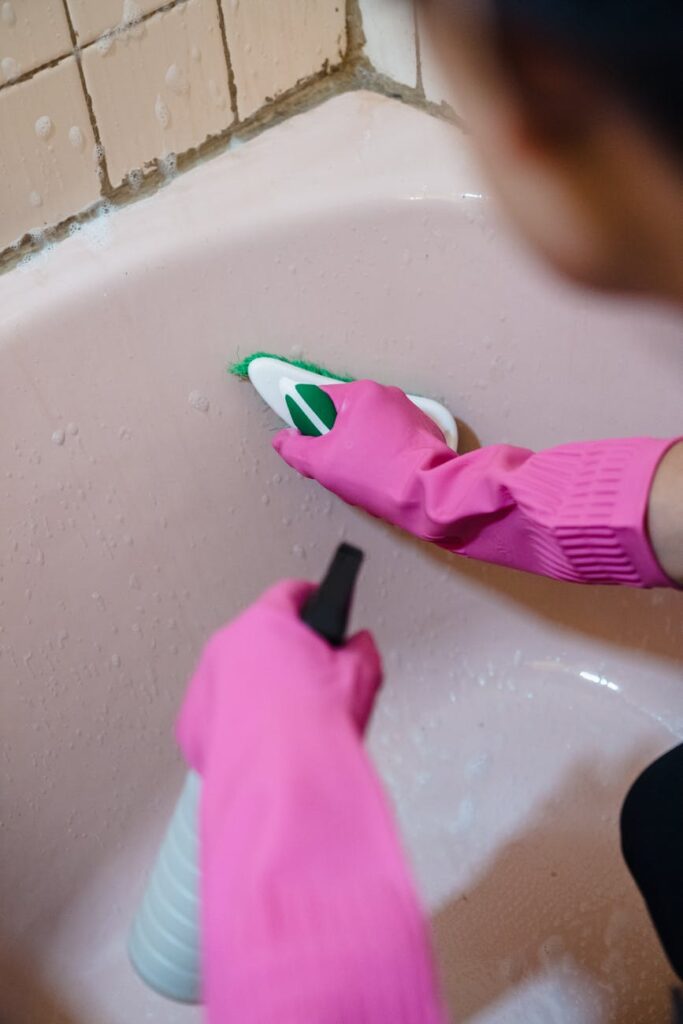
Mold on Ceiling Stains Guide Part 1
Introduction
Mold stains on your ceiling can be an unsightly nuisance, but they are also indicative of a more significant issue. If left untreated, mold can lead to structural damage and health risks. This guide will walk you through understanding mold stains, how to effectively clean them, and how to prevent them from reappearing.
What Causes Stains?
Mold stains typically arise from a combination of moisture, poor ventilation, and organic material. The most common causes include:
- Humidity: High humidity levels create an ideal environment for mold growth. Bathrooms and kitchens are particularly prone to this.
- Leaky Pipes: Water leaking from plumbing can lead to damp ceilings, encouraging mold.
- Condensation: Temperature variations can create condensation on ceilings, especially in poorly insulated areas.
- Lack of Airflow: Stagnant air in rooms can prevent moisture from evaporating, creating a breeding ground for mold.
- Rubber gloves
- Mask
- Eye protection
- Bucket
- Water
- Mild detergent or vinegar
- Spray bottle
- Soft scrub brush
- Ladder
- Move furniture away from the area to avoid damage.
- Cover the floor with a drop cloth to catch any debris.
- For mild cases, mix equal parts of water and vinegar in a spray bottle.
- For tougher stains, use a solution of water and a few drops of mild detergent.
- Spray the affected area generously with your cleaning solution.
- Let it sit for 10-15 minutes to penetrate the mold.
- Using a soft scrub brush, gently scrub the stained area.
- Avoid harsh scrubbing to prevent damage to the ceiling material.
- Rinse the area with clean water and a damp cloth.
- Ensure the area is well-ventilated to promote drying.
- Check if the stain has completely disappeared. If not, repeat the cleaning process.
- Vinegar: A natural mold killer that is effective for light stains.
- Baking Soda: Mix with water to form a paste, apply, and scrub. It’s gentle yet effective.
- Hydrogen Peroxide: A stronger option for stubborn stains; apply it directly and let it sit before scrubbing.
- Commercial Mold Cleaners: These can be effective but ensure they are safe for your ceiling material.
- Using Bleach: While bleach can kill mold, it doesn’t remove it from porous surfaces, and it can worsen the problem by providing moisture.
- Ignoring the Source: Cleaning without addressing moisture issues will only lead to recurring stains.
- Not Protecting Yourself: Always wear gloves, a mask, and safety goggles to protect against mold spores.
- Rushing the Drying Process: Ensure the area is completely dry after cleaning to prevent mold from returning.
Why This Problem Happens
Understanding why mold stains occur is crucial in addressing the underlying issue. Here are some common reasons:
1. Inadequate Ventilation: Rooms without sufficient airflow trap humidity, leading to mold growth.
2. Insufficient Insulation: Poorly insulated ceilings can lead to cold spots where condensation collects.
3. Water Damage: Any previous water leaks or flooding can contribute to mold growth if not properly addressed.
4. Organic Material: Dust and dirt can provide nutrients for mold. Regular cleaning is essential to minimize this risk.
How to Fix Stains (Step-by-Step)
Cleaning mold stains from your ceiling can be tackled effectively with the right approach. Follow these steps for a thorough cleaning:
Step 1: Gather Supplies
Step 2: Prepare the Area
Step 3: Mix Cleaning Solution
Step 4: Apply the Solution
Step 5: Scrub the Stains
Step 6: Rinse and Dry
Step 7: Inspect
Best Cleaning Methods
The effectiveness of your cleaning method can vary based on the stain’s severity. Here are some of the best options:
Common Mistakes to Avoid
When dealing with mold stains, avoiding these common pitfalls can save you time and effort:
Prevention Tips
Preventing mold stains on your ceiling is more manageable than dealing with them after they appear. Here are some practical tips:
1. Improve Ventilation: Use exhaust fans in bathrooms and kitchens to reduce humidity.
2. Dehumidifiers: Consider using a dehumidifier in damp areas to control moisture levels.
3. Seal Leaks: Regularly inspect plumbing and roofs for leaks and address them promptly.
4. Insulation: Ensure your ceilings are adequately insulated to prevent temperature fluctuations.
5. Regular Cleaning: Dust and clean ceilings regularly to minimize organic material that feeds mold.
Frequently Asked Questions
1. How can I tell if the stain is mold or just dirt?
Mold usually appears as dark, irregular patches and may feel fuzzy or slimy. Dirt is typically flat and less textured.
2. Can I use bleach to remove mold stains?
While bleach can kill mold, it does not remove it from porous surfaces and may lead to further moisture issues.
3. How often should I check my ceilings for mold?
Inspect your ceilings at least once a season or after any water-related incident.
4. Is mold on the ceiling harmful?
Yes, mold can produce allergens and irritants, potentially leading to health issues.
5. Can I paint over mold stains?
No, painting over mold will not solve the problem. You must clean and address the mold first.
6. What should I do if the mold keeps coming back?
If mold stains persist, consult a professional to assess and address underlying moisture issues.
By following this guide, you can effectively manage and prevent mold stains on your ceiling, ensuring a clean and healthy home environment. Stay tuned for Part 2, where we’ll dive deeper into advanced cleaning techniques and solutions.