
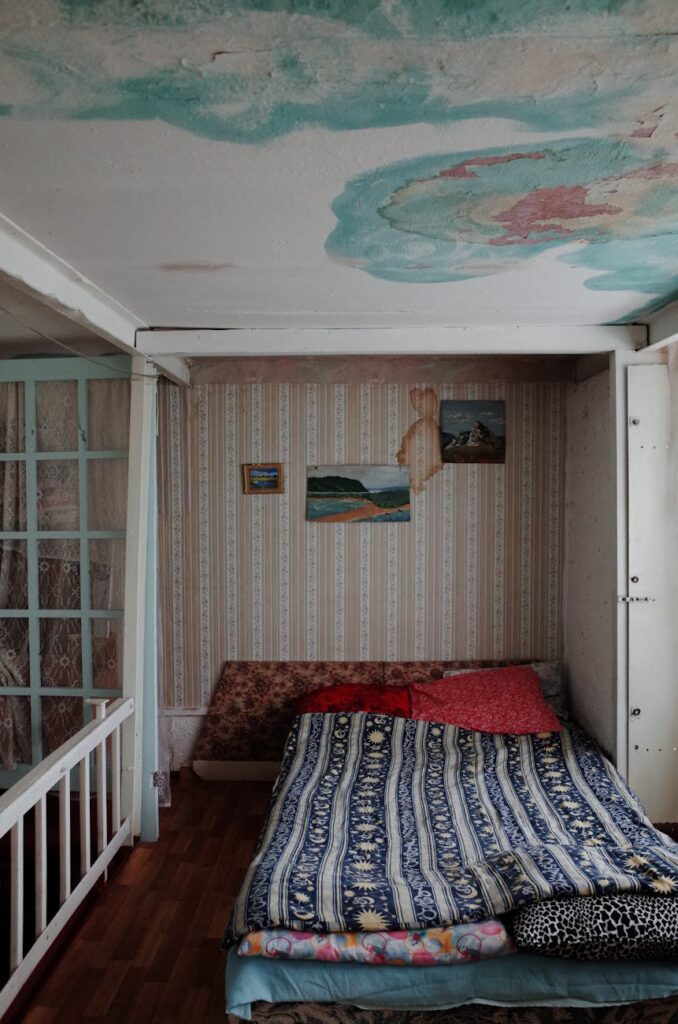
Mold on Ceiling Odours Guide Part 2
Introduction
Dealing with mold on the ceiling can be a frustrating experience, especially when it comes to the unpleasant odors that often accompany it. These odors can not only be a nuisance but can also indicate a deeper issue that needs to be addressed. This guide aims to provide practical solutions for tackling the odors caused by mold on your ceiling. From understanding the causes to effective cleaning methods, we’ll cover everything you need to know to restore freshness to your home.
What Causes Odours?
Mold produces a variety of compounds known as volatile organic compounds (VOCs), which are responsible for the musty smell associated with mold growth. These odors can permeate the air in your home, making it uncomfortable. The specific causes of these odors typically include:
- Moisture: Mold thrives in damp conditions, often leading to a buildup of mold spores that release odors.
- Decomposing Material: Mold can grow on organic materials like wood and drywall, leading to decomposition and foul smells.
- Poor Ventilation: Areas with inadequate airflow can trap moisture and odors, making the problem worse.
- Humidity Levels: High humidity levels create an ideal environment for mold growth. Bathrooms and kitchens are common culprits.
- Water Leaks: Roof leaks or plumbing issues can introduce moisture to the ceiling, allowing mold to flourish.
- Lack of Maintenance: Neglecting regular maintenance checks can let small problems escalate into significant mold issues.
- Inspect the Area: Check for visible mold growth on the ceiling or walls. Look for discoloration, stains, or peeling paint.
- Smell Test: Follow your nose. Locate the areas where the odor is strongest.
- Rubber gloves and a mask (for safety)
- Bucket
- Scrub brush or sponge
- Cleaning solution (vinegar, baking soda, or commercial mold remover)
- Spray bottle
- Towels
- Vinegar Solution: Mix equal parts of white vinegar and water in a spray bottle.
- Baking Soda Solution: Dissolve 1 cup of baking soda in a gallon of water for a milder cleaning solution.
- Apply the Solution: Spray the cleaning solution directly onto the moldy area. Let it sit for 10–15 minutes to penetrate.
- Scrub: Use a scrub brush or sponge to gently scrub the area. Focus on any visible mold and stained spots.
- Rinse: Wipe the area with a clean, damp towel to remove any residue.
- Ventilate: Open windows and doors to allow fresh air to circulate.
- Use a Fan: If possible, use a fan to speed up the drying process. Make sure the area is completely dry to prevent mold from returning.
- Ignoring the Underlying Cause: Just cleaning the surface mold won’t solve the problem. Always investigate and fix any leaks or moisture issues.
- Using Only Water: Water alone may not effectively remove mold or odors. Always use a cleaning solution.
- Neglecting Safety Gear: Mold spores can be harmful. Always wear gloves and a mask when cleaning.
- Overusing Cleaning Products: Using too much cleaner can make it harder to rinse away and may leave a residue.
- Control Humidity: Use a dehumidifier in areas prone to moisture. Aim to keep humidity levels below 50%.
- Ensure Proper Ventilation: Install exhaust fans in bathrooms and kitchens to reduce moisture buildup.
- Regular Inspections: Check your ceilings and walls regularly for signs of mold, especially after heavy rains.
- Fix Leaks Promptly: Address any leaks or water damage immediately to prevent mold growth.
Why This Problem Happens
Understanding why mold and its associated odors occur is crucial for effective remediation. Here are the primary factors contributing to mold development on ceilings:
How to Fix Odours (Step-by-Step)
To effectively eliminate odors caused by mold, follow this step-by-step guide:
Step 1: Identify the Source
Step 2: Gather Supplies
You will need:
Step 3: Prepare the Cleaning Solution
Step 4: Clean the Affected Area
Step 5: Dry Thoroughly
Step 6: Repeat if Necessary
If the odor persists, you may need to repeat the cleaning process. In severe cases, consider consulting a professional.
Best Cleaning Methods
When dealing with mold and odors, certain cleaning methods are more effective than others:
1. Vinegar
Vinegar is a natural disinfectant that can kill about 82% of mold species. Its strong acidity helps neutralize odors as well.
2. Baking Soda
Baking soda is excellent for absorbing odors. It also has mild antifungal properties, making it a great option for mold removal.
3. Commercial Mold Cleaners
If natural solutions don’t work, consider using commercial mold cleaners. Look for products specifically designed to kill mold and eliminate odors.
Common Mistakes to Avoid
While cleaning mold and its odors, avoid these common pitfalls:
Prevention Tips
Preventing mold and odors in the first place is the best strategy. Here are some tips to keep your ceiling mold-free:
Frequently Asked Questions
1. How can I tell if I have mold on my ceiling?
Look for discoloration, stains, or peeling paint on the ceiling. A musty smell is also an indicator.
2. Can I use bleach to remove mold?
While bleach can kill mold on non-porous surfaces, it’s not recommended for porous materials like drywall, as it can lead to further growth.
3. How often should I check for mold?
It’s a good practice to check for mold every season, especially in high-moisture areas.
4. What should I do if the mold is extensive?
If mold covers a large area (greater than 10 square feet), it’s best to consult a professional mold remediation service.
5. Can mold odors come back after cleaning?
Yes, if the underlying moisture issue is not resolved, mold and associated odors can return.
6. Is it safe to sleep in a room with mold on the ceiling?
It’s advisable to avoid sleeping in a room with mold until it has been properly cleaned and the source of moisture has been addressed.
By following the steps outlined in this guide, you can successfully eliminate odors caused by mold on your ceiling and prevent future growth. Keeping your home clean and dry is key to enjoying a fresh and healthy living space.