
Mold on Ceiling Odours Guide Part 1
Introduction
Mold on ceilings isn’t just an eyesore; it often brings with it unpleasant odours that can permeate your home. These odours can be musty, damp, or even sour, making your living environment uncomfortable. If you’re experiencing this issue, you’re not alone. In this guide, we will explore the causes of these odours, how to tackle the problem, and effective methods for cleaning and prevention.
What Causes Odours?
Mold emits a variety of volatile organic compounds (VOCs) as it grows. These VOCs are responsible for the musty smells associated with mold. The primary factors contributing to the development of mold and its odours include:
- Moisture: Excess humidity or water leaks create an ideal environment for mold growth.
- Poor Ventilation: Lack of air circulation allows damp air to stagnate, encouraging mold.
- Organic Matter: Mold thrives on materials like wood, drywall, and even dust, which can contribute to odours.
- Vinegar: A natural disinfectant that can kill most species of mold. Its acidity helps to break down the mold structure.
- Baking Soda: Non-toxic and effective, baking soda can absorb moisture and odours while also cleaning surfaces.
- Hydrogen Peroxide: This can be used as a stronger alternative for tougher mold. Mix it with water at a ratio of 1:1 and apply it directly to the affected area.
- Commercial Mold Removers: If natural solutions don’t work, consider using a store-bought mold removal product that contains active ingredients designed to eliminate mold and its odours.
Why This Problem Happens
Understanding why mold and its associated odours occur can help you address the issue effectively:
1. Humidity Levels: High humidity (above 60%) can lead to condensation on surfaces, promoting mold growth.
2. Water Leaks: Roof leaks, plumbing issues, or condensation from air conditioning units can introduce moisture.
3. Temperature Fluctuations: Warm temperatures can speed up the growth of mold in damp areas.
4. Insufficient Cleaning: Areas that aren’t regularly cleaned or maintained can become breeding grounds for mold.
How to Fix Odours (Step-by-Step)
1. Identify the Source: Inspect your ceiling for visible mold or damp spots. Check for leaks or condensation issues.
2. Clear the Area: Move furniture and cover the floor with drop cloths to protect it from cleaning solutions.
3. Protect Yourself: Wear gloves, a mask, and goggles to protect yourself from mold spores and cleaning solutions.
4. Mix a Cleaning Solution: Combine one part vinegar or baking soda with one part water in a spray bottle. For tougher jobs, you might want to use a commercial mold removal product.
5. Apply the Solution: Spray the affected area generously and allow it to sit for 10–15 minutes.
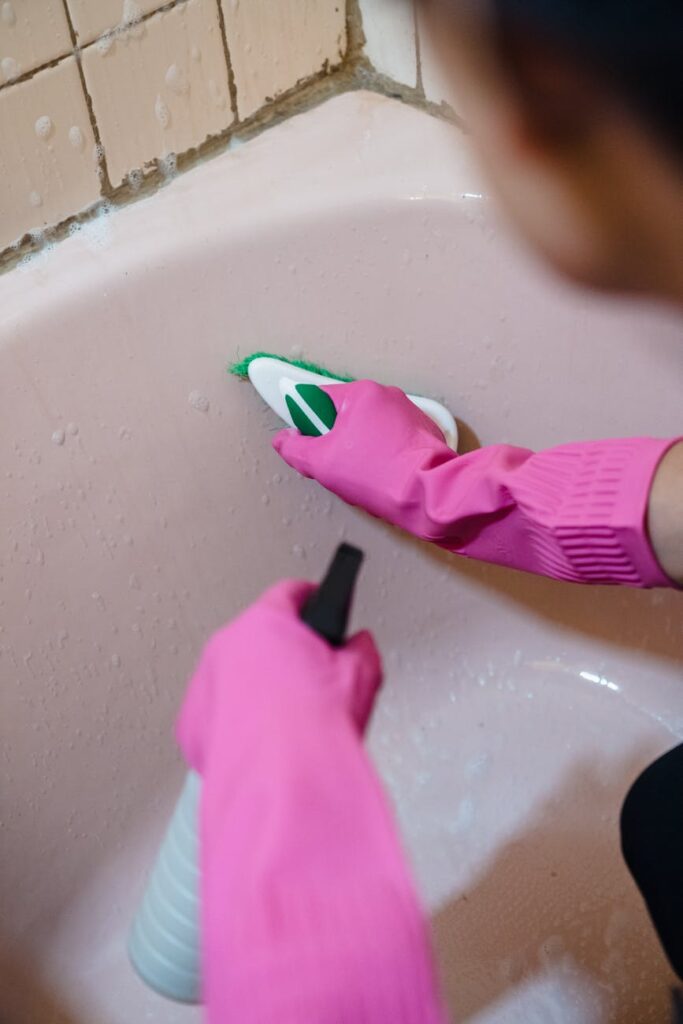
6. Scrub the Area: Use a scrub brush or sponge to remove the mold. Pay special attention to crevices where mold tends to hide.
7. Rinse: Wipe the area with a clean, damp cloth to remove any cleaning solution and remaining mold.
8. Dry Thoroughly: Use fans or dehumidifiers to dry the area completely. Mold thrives in moisture, so this step is crucial.
9. Reassess: After a few days, check for any signs of mold return. If necessary, repeat the cleaning process.
Best Cleaning Methods
Common Mistakes to Avoid
1. Ignoring the Source: Failing to fix leaks or moisture issues will cause mold to return, even after cleaning.
2. Using Bleach: While bleach can kill mold on non-porous surfaces, it may not be effective on porous materials like drywall, and it can sometimes worsen the odour.
3. Not Ventilating: Cleaning without proper ventilation can trap moisture, promoting further mold growth.
4. Skipping Protective Gear: Always wear protective gear when cleaning mold. This helps prevent health issues.
5. Overlooking Hidden Areas: Mold can grow behind walls or inside ceiling cavities. Be thorough in your inspection.
Prevention Tips
1. Control Humidity: Use dehumidifiers to maintain humidity levels below 60% in your home.
2. Improve Ventilation: Open windows and use exhaust fans in bathrooms and kitchens to reduce moisture.
3. Regular Cleaning: Keep ceilings clean and dust-free. Regular cleaning can help prevent mold growth.
4. Seal Leaks: Regularly check for and repair any leaks in roofs, walls, or plumbing.
5. Insulate: Proper insulation can help prevent condensation on ceilings and walls.
6. Monitor Temperature: Keeping your home at a consistent temperature can help control moisture levels.
Frequently Asked Questions
1. How can I tell if the smell is from mold?
Look for visible mold growth, damp spots, or excessive humidity in the area. If the smell persists despite cleaning, it’s likely mold-related.
2. Can I paint over mold on the ceiling?
No, painting over mold will not solve the problem. It’s essential to clean and remove the mold first.
3. How often should I check for mold?
Inspect areas prone to moisture (like bathrooms and kitchens) every few months, especially after heavy rain or humidity.
4. Is it safe to use bleach for mold removal?
Bleach can be effective on non-porous surfaces but is not recommended for porous surfaces like drywall. It may not eliminate the root problem and can lead to a return of the odour.
5. What if the smell persists after cleaning?
If the odour remains, you may need to investigate hidden areas for mold or consult a professional for further inspection.
6. Can mold affect my health?
While this guide doesn’t cover health concerns, it’s important to address mold issues promptly to prevent any potential risks.
By following this guide, you’ll be well-equipped to tackle mold odours on your ceiling effectively, ensuring a fresher and healthier home environment. Stay tuned for Part 2, where we’ll delve deeper into advanced cleaning techniques and long-term solutions!