
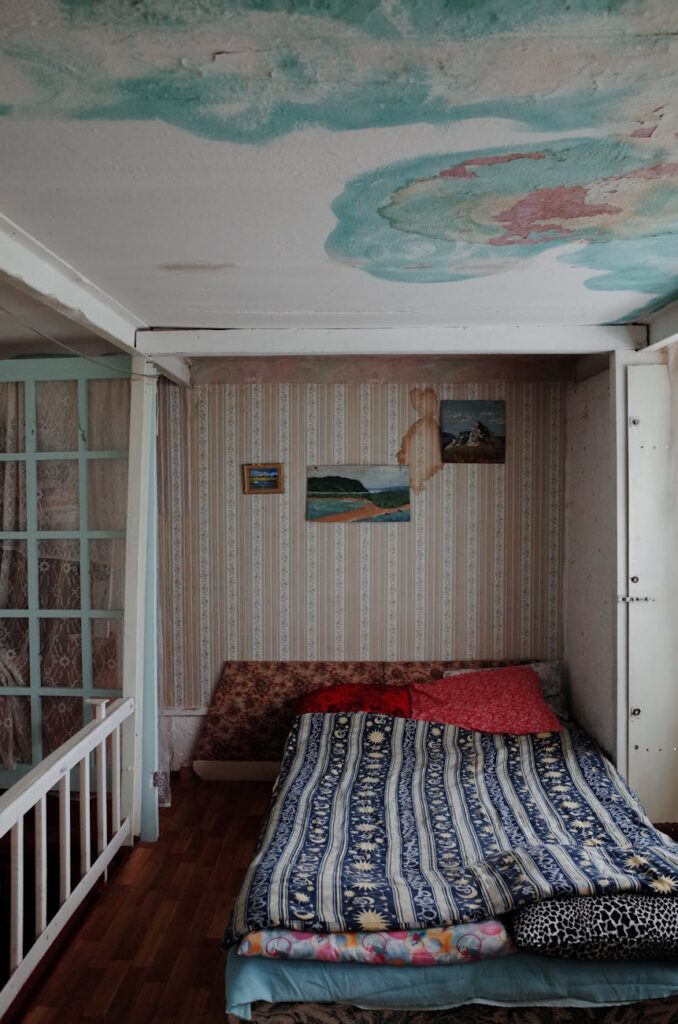
Mold on Ceiling Mould & Damp Guide Part 2
Introduction
Mold on the ceiling is not just an eyesore; it’s a sign of moisture issues that can lead to bigger problems if left untreated. In this practical guide, we’ll explore the causes of mold and dampness, how to effectively remove it, and tips to prevent it from returning. Armed with the right knowledge, you can reclaim your home from this unwelcome invader.
What Causes Mould & Damp?
Mold thrives in damp environments. The most common causes of mold on ceilings include:
- High Humidity: Areas with high humidity levels, such as bathrooms or kitchens, are prone to mold growth.
- Water Leaks: Roof leaks, plumbing issues, or condensation can lead to moisture accumulation.
- Poor Ventilation: Insufficient airflow can trap humidity, creating a perfect breeding ground for mold.
- Temperature Fluctuations: Rapid changes in temperature can cause condensation on ceilings.
- Rubber gloves
- Mask (to avoid inhaling spores)
- Goggles
- Spray bottle
- Vinegar or hydrogen peroxide
- Baking soda
- Soft scrub brush or sponge
- Cloth or paper towels
- Ladder (if needed)
- Flat Ceilings: Use vinegar or hydrogen peroxide. For stubborn stains, a mixture of baking soda and water can be effective.
- Textured Ceilings: Use a sponge with a cleaning solution. Be gentle to avoid damaging the texture.
- Painted Ceilings: Test a small area first with your cleaning solution. If the paint lifts, switch to a gentler method.
Understanding these causes is the first step toward effective remediation.
Why This Problem Happens
Mold and dampness occur when moisture accumulates in an area that doesn’t dry out quickly. Here’s why this often happens:
1. Condensation: When warm air meets a cold surface, moisture condenses. This is common in poorly insulated ceilings.
2. Neglected Maintenance: Over time, roofs, gutters, and plumbing can deteriorate, leading to leaks.
3. Environmental Factors: Living in a humid climate increases the likelihood of mold growth.
4. Lifestyle Choices: Activities like drying laundry indoors or long, hot showers contribute to high humidity levels.
Recognizing these contributing factors helps you combat mold more effectively.
How to Fix Mould & Damp (Step-by-Step)
Step 1: Gather Your Supplies
Before you start cleaning, gather the following supplies:
Step 2: Prepare the Area
1. Clear the Space: Move furniture and remove any items from the area to prevent damage.
2. Ensure Ventilation: Open windows and doors to improve airflow.
Step 3: Assess the Damage
Inspect the affected area to determine the extent of the mold growth. If it covers more than 10 square feet, consider contacting a professional.
Step 4: Apply Cleaning Solution
1. Vinegar Method: Fill a spray bottle with undiluted white vinegar. Spray it on the moldy area and let it sit for at least one hour.
2. Hydrogen Peroxide Method: Alternatively, use 3% hydrogen peroxide. Apply it similarly and allow it to sit for about 10 minutes.
Step 5: Scrub the Area
Using a soft brush or sponge, scrub the moldy area gently. Be careful not to damage the ceiling surface.
Step 6: Rinse and Dry
Wipe the area with a damp cloth to remove any residue. Ensure the area is thoroughly dried to prevent mold from returning.
Step 7: Dispose of Waste
Dispose of any contaminated materials, such as rags or sponges, in a sealed plastic bag.
Best Cleaning Methods
Here are some effective cleaning methods for different types of ceilings:
Common Mistakes to Avoid
1. Ignoring the Source: Simply cleaning the mold without addressing the moisture source will lead to recurrence.
2. Using Bleach: While bleach may kill surface mold, it doesn’t penetrate porous materials and can actually encourage mold growth.
3. Not Wearing Protective Gear: Always wear gloves, a mask, and goggles to protect yourself from mold spores.
4. Neglecting Regular Maintenance: Regularly inspect and maintain your roof, plumbing, and ventilation systems to prevent mold.
Prevention Tips
1. Control Humidity: Use dehumidifiers in high-humidity areas to maintain levels between 30-50%.
2. Improve Ventilation: Ensure proper airflow in bathrooms and kitchens. Use exhaust fans during and after cooking or showering.
3. Seal Leaks: Regularly check for leaks in roofs, walls, and plumbing. Repair any issues immediately.
4. Insulate: Proper insulation can prevent condensation on ceilings.
5. Regular Cleaning: Clean ceilings and walls regularly, especially in moisture-prone areas.
Frequently Asked Questions
1. How do I know if I have a mold problem?
Look for visible mold, a musty smell, or symptoms like increased allergies or respiratory issues.
2. Can mold on the ceiling be dangerous?
While not all mold is harmful, certain types can cause health issues. If you’re unsure, consult a professional.
3. How often should I check for mold?
Inspect your home every few months, especially after heavy rainfall or if you notice any signs of dampness.
4. Can I paint over mold?
No, you should never paint over mold. It needs to be cleaned and removed first.
5. What should I do if mold returns?
Reassess the source of moisture and address any underlying issues. You may need to consult a professional for persistent problems.
6. Is it safe to remove mold myself?
For small areas, it is usually safe to remove mold yourself. For larger infestations or health concerns, consult a professional.
By following this comprehensive guide, you can effectively tackle mold on your ceiling, ensuring a cleaner and healthier home. Remember, prevention is key to keeping mold at bay.