
Mold on Ceiling Mould & Damp Guide Part 1
Introduction
Mold on ceilings is a common issue that can lead to unsightly stains and potential damage to your home. Not only does it affect the appearance of your living space, but it can also indicate underlying damp problems. Understanding how to tackle mold effectively is essential for maintaining a healthy and clean home. This guide provides practical steps to identify, clean, and prevent mold and damp issues on your ceilings.
What Causes Mould & Damp?
Mold thrives in damp environments, and several factors can contribute to its growth on ceilings:
1. Excess Moisture: High humidity levels, leaks, or condensation can create the perfect breeding ground for mold.
2. Poor Ventilation: Areas with inadequate airflow, such as bathrooms and kitchens, are particularly prone to mold growth.
3. Temperature Fluctuations: Sudden changes in temperature can cause condensation on surfaces, leading to damp spots.
4. Water Leaks: Roof leaks or plumbing issues can introduce moisture into ceiling materials, fostering mold growth.
Why This Problem Happens
Understanding why mold and dampness occur is crucial for effective remediation.
- Humidity Levels: Homes in humid climates are at a higher risk of mold, especially if they lack proper ventilation.
- Building Materials: Certain materials, like drywall or wood, can retain moisture, making them susceptible to mold.
- Neglected Maintenance: Failing to address leaks or clean areas prone to damp can exacerbate the problem.
- Condensation Issues: In poorly insulated homes, warm air can condense on cooler surfaces, promoting mold growth.
- Check for Leaks: Inspect your ceilings and walls for signs of leaks or water stains.
- Evaluate Humidity: Use a hygrometer to measure humidity levels; ideally, they should be between 30-50%.
- Protective gear (gloves, mask, goggles)
- Ladder
- Cleaning solution (vinegar, baking soda, commercial mold remover)
- Scrub brush or sponge
- Bucket
- Spray bottle
- Cloths or towels
- Clear the Space: Move furniture and cover the floor to prevent damage.
- Ensure Ventilation: Open windows and doors to improve airflow while you work.
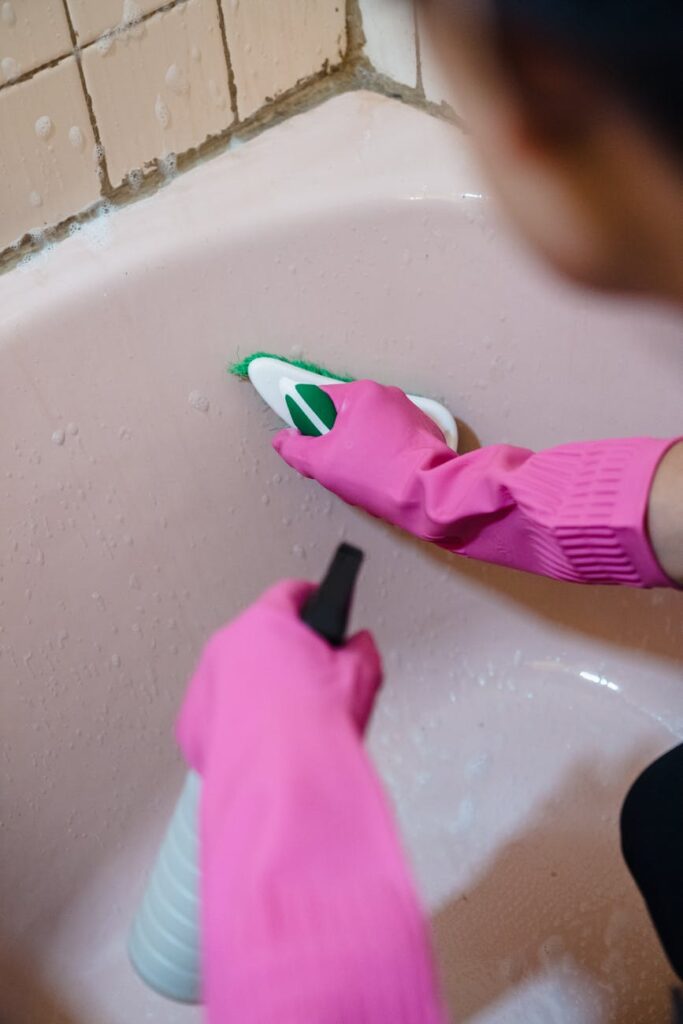
- Use a scrub brush or sponge to remove the mold. Be firm but gentle to avoid damaging the ceiling material.
- Rinse the area with clean water after scrubbing.
- Wipe the area with a clean cloth or towel.
- Use fans or a dehumidifier to ensure the area dries completely.
How to Fix Mould & Damp (Step-by-Step)
Step 1: Identify the Source
Step 2: Gather Cleaning Supplies
Before you start cleaning, gather the following supplies:
Step 3: Prepare the Area
Step 4: Apply Cleaning Solution
1. Vinegar Solution: Mix equal parts of vinegar and water in a spray bottle and apply directly to the moldy area.
2. Baking Soda Paste: For stubborn spots, create a paste using baking soda and water, apply it, and let it sit for 10-15 minutes.
Step 5: Scrub the Area
Step 6: Dry the Area
Best Cleaning Methods
1. Natural Solutions: Vinegar and baking soda are effective and non-toxic options for removing mold.
2. Commercial Cleaners: If the mold persists, consider a commercial mold remover. Always follow the manufacturer’s instructions.
3. Steam Cleaning: For washable ceilings, a steam cleaner can effectively kill mold spores without harsh chemicals.
Common Mistakes to Avoid
1. Ignoring the Source: Failing to address the underlying moisture problem will lead to recurring mold growth.
2. Using Bleach: While bleach can remove surface mold, it doesn’t address the root cause and may not penetrate porous materials.
3. Inadequate Drying: Not thoroughly drying the area after cleaning can encourage mold to return.
4. Skipping Protective Gear: Always wear gloves, masks, and goggles to protect yourself from mold spores.
Prevention Tips
1. Improve Ventilation: Install exhaust fans in kitchens and bathrooms to promote airflow.
2. Control Humidity: Use a dehumidifier to maintain humidity levels below 50%.
3. Regular Inspections: Check for leaks and signs of dampness regularly, especially after heavy rain.
4. Insulate Properly: Ensure walls and ceilings are adequately insulated to prevent condensation.
5. Use Mold-Resistant Products: Consider mold-resistant paints and materials for areas prone to dampness.
Frequently Asked Questions
1. How can I tell if I have mold on my ceiling?
Look for discolored patches, usually black, green, or brown, and check for a musty odor.
2. Can I remove mold myself?
Yes, small infestations can generally be handled with proper cleaning solutions and protective gear.
3. What if the mold keeps coming back?
If mold keeps returning, it’s likely due to an unresolved moisture issue. Consult a professional to identify and fix the problem.
4. Is mold on the ceiling dangerous?
While not all mold is harmful, some types can cause health issues. It’s best to address mold growth promptly.
5. How can I prevent mold in my bathroom?
Ensure proper ventilation, use exhaust fans, and regularly check for leaks or condensation.
6. Can I paint over mold?
No, painting over mold will not kill it and may worsen the problem. Always clean the area first.
—
By following this guide, you can effectively tackle mold on your ceiling, ensuring a cleaner and healthier home environment. Stay vigilant and proactive in your maintenance to prevent future issues.