
Mold on Ceiling Kitchen Guide Part 1
Introduction
Mold on your kitchen ceiling is not just an eyesore; it can also indicate underlying issues that need immediate attention. This guide will help you understand the causes of mold growth, provide actionable steps to eliminate it, and offer tips to prevent it from returning.
What Causes Kitchen Mold?
Mold thrives in damp, humid environments, making the kitchen a prime location for growth. Common causes of mold on kitchen ceilings include:
1. High Humidity: Cooking can generate steam, raising humidity levels.
2. Poor Ventilation: Lack of airflow can trap moisture.
3. Water Leaks: Plumbing issues or roof leaks can lead to moisture accumulation.
4. Condensation: Temperature differences between the kitchen and attic can cause condensation to form.
5. Food Particles and Grease: Spills and splatters can create a favorable environment for mold.
Why This Problem Happens
Understanding the underlying reasons for mold growth can help homeowners take effective action. Here’s a closer look at why mold may develop in your kitchen:
- Steam from Cooking: When you boil water or cook food, steam rises and can settle on cool surfaces, including the ceiling.
- Inadequate Ventilation: Kitchens often lack proper airflow, especially during and after cooking. If your kitchen doesn’t have a range hood or exhaust fan, humidity can build up.
- Water Damage: Any leaks from pipes or roofs can create a consistent source of moisture, making it easier for mold to take hold.
- Temperature Variations: If your kitchen is significantly warmer than the attic space above, condensation can form on the ceiling.
- Protective gear: gloves, goggles, and a mask
- Cleaning solution (vinegar, bleach, or a commercial mold cleaner)
- Soft scrub brush or sponge
- Bucket
- Ladder
- Spray bottle
- Clean cloths
- Vinegar: Spray undiluted white vinegar directly onto the mold.
- Bleach: Mix one cup of bleach with one gallon of water. This solution can effectively kill mold but should be used cautiously.
- Commercial Cleaners: Follow the instructions provided by the manufacturer.
- Vinegar: An effective, natural mold killer that doesn’t emit harmful fumes.
- Bleach: Strong and effective but can be harsh. Use in well-ventilated areas, and never mix with ammonia.
- Commercial Mold Cleaners: Designed specifically for mold removal, often containing fungicides for long-lasting effects.
How to Fix Kitchen Mold (Step-by-Step)
Cleaning mold from your kitchen ceiling is a straightforward process, but it’s essential to follow safety precautions. Here’s a step-by-step guide to effectively remove mold:
Step 1: Gather Your Supplies
Step 2: Ensure Safety
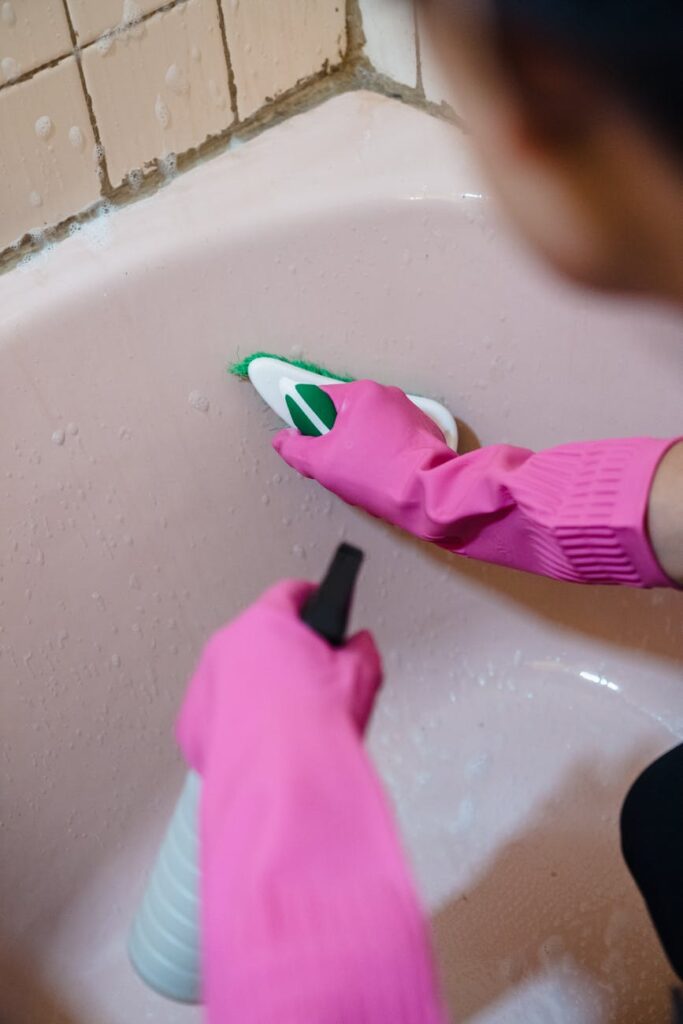
Before you begin, ensure good ventilation by opening windows and doors. Wear gloves, goggles, and a mask to protect yourself from mold spores and harsh cleaners.
Step 3: Identify the Mold
Check the extent of the mold growth. If it’s small (less than 10 square feet), you can usually handle it yourself. For larger infestations, consider calling a professional.
Step 4: Prepare the Cleaning Solution
Step 5: Apply the Cleaner
Spray the cleaning solution onto the moldy area. Allow it to sit for at least 10-15 minutes to penetrate and kill the mold.
Step 6: Scrub the Area
Use a soft scrub brush or sponge to gently scrub the affected area. Be cautious not to damage the ceiling surface.
Step 7: Rinse and Dry
After scrubbing, wipe the area with a clean, damp cloth to remove any remaining cleaner. Dry the area thoroughly to prevent mold from returning.
Step 8: Dispose of Materials
Dispose of any cleaning materials, including sponges and cloths, in a sealed bag to prevent mold spores from spreading.
Best Cleaning Methods
Choosing the right cleaning method can make all the difference in effectively removing mold. Here are some of the best options:
Common Mistakes to Avoid
To ensure effective mold removal, avoid these common pitfalls:
1. Skipping Safety Gear: Always wear protective equipment to avoid inhaling mold spores.
2. Using Hot Water: Hot water can create steam, worsening the humidity problem while cleaning.
3. Not Ventilating: Failing to ventilate the area during cleaning can trap moisture.
4. Ignoring the Source: Always address the underlying cause of moisture before cleaning to prevent recurrence.
5. Overusing Cleaners: More solution doesn’t mean better results. Use as recommended.
Prevention Tips
To prevent mold from returning, consider these practical tips:
1. Improve Ventilation: Install an exhaust fan or range hood to reduce humidity during cooking.
2. Use a Dehumidifier: Keep humidity levels below 60% to deter mold growth.
3. Regularly Inspect for Leaks: Check plumbing and the roof for leaks that could introduce moisture.
4. Wipe Down Surfaces: Regularly clean kitchen surfaces to remove any food particles or grease that can encourage mold.
5. Seal Cracks and Gaps: Use caulk to seal any gaps where moisture could enter.
Frequently Asked Questions
1. Can I remove mold myself?
Yes, if the affected area is small (less than 10 square feet), you can usually handle it yourself. For larger infestations, consider hiring professionals.
2. How do I know if it’s mold or just dirt?
Mold typically appears as black, green, or white spots and has a fuzzy texture. If it wipes away easily and is mostly dirt, it’s likely not mold.
3. Can mold on the ceiling make me sick?
While not all mold is harmful, some types can produce allergens and irritants. It’s best to address mold issues promptly.
4. How can I tell if my kitchen is too humid?
A humidity level above 60% can promote mold growth. You can use a hygrometer to measure humidity levels in your kitchen.
5. How often should I check for mold?
Regularly inspect your kitchen, especially after heavy cooking, cleaning, or any water-related incidents.
6. Is vinegar effective against all types of mold?
Vinegar is effective against many types of mold, but some more aggressive species may require stronger solutions like bleach or commercial cleaners.
By following this guide, you can effectively address mold issues on your kitchen ceiling and create a healthier cooking environment. Stay tuned for Part 2, where we will dive deeper into advanced mold prevention strategies.