
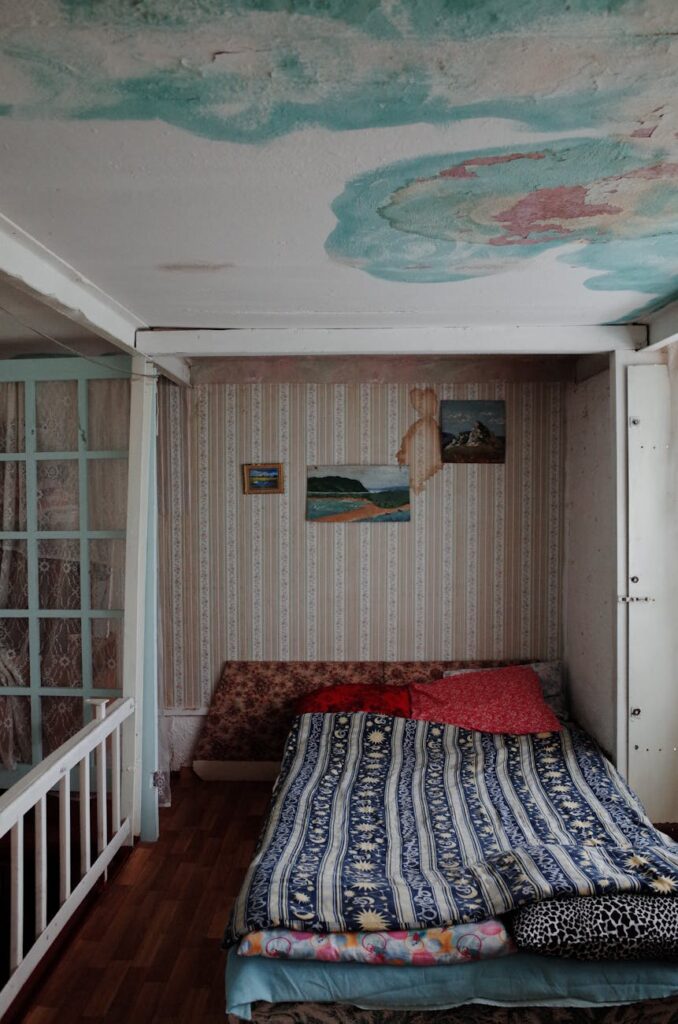
Mold on Ceiling Cleaning Guide Part 2
Introduction
Mold on the ceiling is more than just an eyesore; it can pose serious risks to your home’s integrity and your family’s wellbeing. This guide will provide practical solutions to tackle this issue effectively. Whether you’re dealing with minor patches or larger infestations, understanding the causes and how to clean them is crucial for any homeowner.
What Causes Mold on Ceilings?
Before diving into the cleaning process, it’s essential to understand what leads to mold growth. Mold thrives in damp, humid conditions, making your ceilings particularly susceptible in certain scenarios:
- High Humidity: Areas with high moisture levels, such as bathrooms and kitchens, are prime locations for mold to establish itself.
- Poor Ventilation: Inadequate airflow can trap humidity, allowing mold spores to settle and grow.
- Water Leaks: Roof leaks, plumbing issues, or condensation can introduce moisture directly onto your ceiling.
- Condensation: When warm air meets a cool surface, moisture forms, providing a breeding ground for mold.
- Inadequate Insulation: Poorly insulated attics or ceilings can lead to temperature fluctuations, increasing the likelihood of condensation.
- Water Damage: Old water stains or signs of leaks can indicate a history of moisture issues, making it easier for mold to take hold.
- Protective gear (gloves, mask, and goggles)
- Scrub brush or sponge
- Spray bottle
- Cleaning solution (see Best Cleaning Methods section)
- Bucket
- Ladder or step stool
- Plastic sheeting (to protect the floor and furniture)
- Mix: Combine equal parts of white vinegar and water in a spray bottle.
- Apply: Spray directly onto the mold, let it sit, then scrub and rinse.
- Mix: Combine baking soda with water to create a paste.
- Apply: Apply the paste to the mold and scrub gently. Rinse with clean water.
- Use: Spray 3% hydrogen peroxide directly onto the mold. Let it sit for 10 minutes, scrub, and rinse.
- Choose: Opt for a mold-specific cleaner if the mold is extensive. Follow the manufacturer’s instructions.
By identifying these causes, you can target both the symptoms and the root of the problem.
Why This Problem Happens
Mold spores are everywhere in the environment, but they need specific conditions to grow. The primary factors contributing to mold growth on ceilings include:
Recognizing these contributing factors will help you take comprehensive action against mold.
How to Fix Mold on Ceiling (Step-by-Step)
Step 1: Gather Your Supplies
Before starting the cleaning process, gather the following supplies:
Step 2: Prepare the Area
1. Clear the Space: Remove any furniture and items from the area to prevent damage.
2. Cover the Floor: Use plastic sheeting to protect your floor from debris and cleaning solutions.
3. Ventilate the Area: Open windows and doors to allow fresh air to circulate, reducing exposure to mold spores.
Step 3: Apply the Cleaning Solution
1. Choose Your Solution: Depending on the severity of the mold, select a cleaning solution (see Best Cleaning Methods section).
2. Apply Generously: Spray the solution directly onto the moldy area. Ensure it saturates the affected surface.
3. Let it Sit: Allow the solution to sit for about 10-15 minutes to penetrate the mold.
Step 4: Scrub the Area
1. Use a Scrub Brush: Gently scrub the moldy area with your brush or sponge. Avoid using too much force, as this may damage the ceiling surface.
2. Rinse: Wipe the area with a damp cloth to remove any residue and mold particles.
Step 5: Dry the Area
1. Wipe Down Surfaces: Use a dry cloth to thoroughly wipe the cleaned area.
2. Ensure Proper Ventilation: Keep windows open and fans running to help dry the area quickly.
Step 6: Dispose of Waste
1. Seal the Waste: Place any contaminated materials and cleaning rags in a sealed plastic bag.
2. Dispose Safely: Dispose of the bag in your outdoor trash to prevent spores from spreading.
Best Cleaning Methods
Here are some effective cleaning methods to tackle mold on ceilings:
1. Vinegar Solution
2. Baking Soda Paste
3. Hydrogen Peroxide
4. Commercial Cleaners
Common Mistakes to Avoid
1. Not Wearing Protective Gear: Always wear gloves, a mask, and goggles to avoid inhaling spores.
2. Skipping the Rinse Step: Failing to rinse off cleaning solutions can lead to residue buildup and further mold growth.
3. Using Bleach: While bleach can kill mold, it often doesn’t remove it from porous surfaces and can lead to regrowth.
4. Ignoring the Source of Moisture: Cleaning without addressing the underlying moisture issue will result in recurring mold problems.
Prevention Tips
To prevent mold from returning, consider the following strategies:
1. Improve Ventilation: Install exhaust fans in bathrooms and kitchens to reduce humidity.
2. Use Dehumidifiers: In high-humidity areas, use a dehumidifier to maintain optimal moisture levels.
3. Insulate Properly: Ensure that ceilings and attics are well insulated to reduce temperature fluctuations.
4. Fix Leaks Promptly: Address any leaks in your roof, plumbing, or walls immediately to prevent moisture buildup.
5. Regular Cleaning: Regularly clean your ceilings and check for signs of mold or moisture.
Frequently Asked Questions
1. Can I paint over mold on the ceiling?
No, painting over mold will not eliminate the problem. The mold will continue to grow underneath the paint, leading to further damage.
2. How often should I check for mold on my ceiling?
Regularly inspect your ceilings, especially after heavy rainfall or if you notice increased humidity in your home.
3. Is it safe to clean mold myself?
Yes, if the mold is minimal and you take proper precautions (wearing protective gear and ensuring proper ventilation). For larger infestations, consider hiring a professional.
4. Can mold on the ceiling affect my health?
Yes, mold can potentially cause respiratory issues or allergic reactions in sensitive individuals. It’s essential to address any mold problems promptly.
5. How long does it take for mold to grow on ceilings?
Mold can begin to grow within 24-48 hours in the right conditions (moisture, warmth, and lack of airflow).
6. What should I do if mold keeps coming back?
If mold continues to return, it’s crucial to identify and address the source of moisture. Consider consulting a professional for a thorough inspection.
By following this guide, you can effectively clean and prevent mold on your ceilings, ensuring a healthier home environment.