
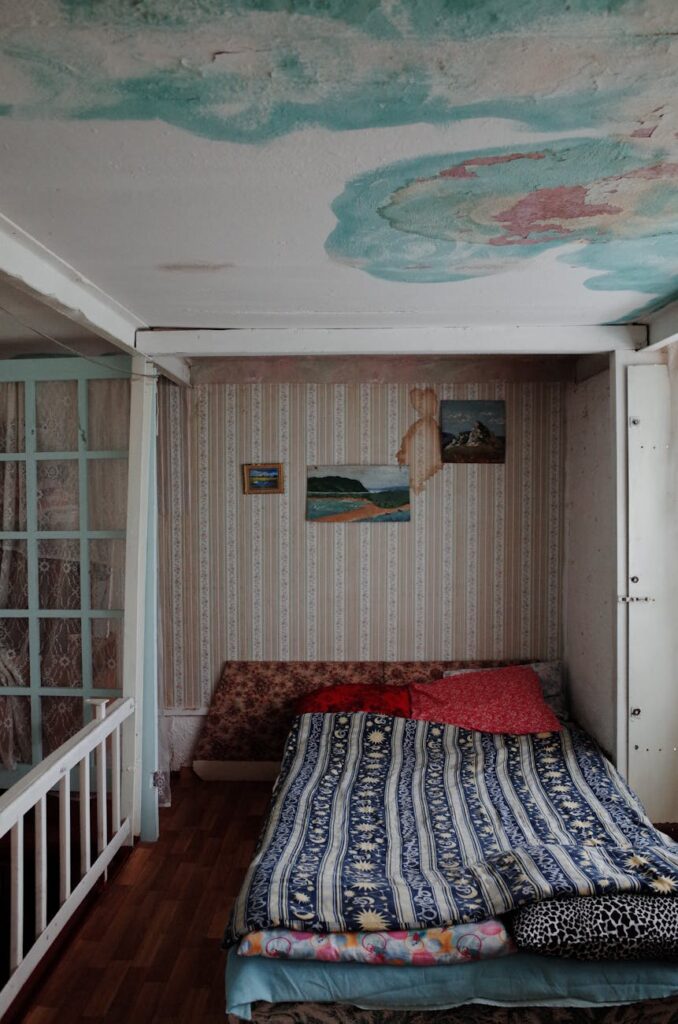
Mold on Ceiling Bathroom Guide Part 2
Introduction
Mold on bathroom ceilings is a common issue that many homeowners face. Not only is it unsightly, but it can also lead to health concerns and further damage to your home if left untreated. In this guide, we’ll explore the causes of mold growth, effective cleaning methods, and preventive measures to keep your bathroom ceiling mold-free.
What Causes Bathroom Mold?
Mold thrives in damp, humid environments, making bathrooms a prime location for growth. The primary factors contributing to mold development on bathroom ceilings include:
1. High Humidity: Bathrooms naturally have high humidity levels due to showers and baths.
2. Poor Ventilation: Lack of airflow can trap moisture in the air and on surfaces.
3. Water Leaks: Leaks from pipes or roofs can create a moist environment conducive to mold.
4. Condensation: Warm, moist air hitting cooler surfaces can lead to condensation, providing water for mold.
5. Dirty Surfaces: Dust, soap scum, and other residues can provide nutrients for mold growth.
Why This Problem Happens
Understanding why mold occurs is crucial for effective prevention and removal. The combination of moisture and organic material creates an ideal breeding ground. Bathrooms often have:
- Frequent Water Use: Showers and baths increase humidity.
- Infrequent Cleaning: Areas that are not regularly cleaned can accumulate grime.
- Insufficient Air Circulation: Without proper ventilation systems, moisture can linger.
- Protective gear (gloves, mask, goggles)
- Spray bottle
- Cleaning solution (bleach, vinegar, or a commercial mold remover)
- Scrub brush or sponge
- Bucket
- Ladder (if necessary)
- Cloth or paper towels
- Pros: Kills mold spores and disinfects.
- Cons: Can damage paint and is not environmentally friendly.
- Pros: Natural, non-toxic, and effective against mold.
- Cons: May require more scrubbing and might not work on heavy infestations.
- Pros: Acts as a mild abrasive and deodorizer.
- Cons: Less effective than vinegar or bleach on tough mold.
- Pros: Formulated specifically for mold removal.
- Cons: Can be expensive and may contain harsh chemicals.
How to Fix Bathroom Mold (Step-by-Step)
If you discover mold on your bathroom ceiling, follow these steps to remove it effectively:
Step 1: Gather Your Supplies
You will need the following items:
Step 2: Prepare the Area
1. Ensure Proper Ventilation: Open windows and doors to allow fresh air in.
2. Turn Off Power: If mold is near light fixtures, turn off power to avoid electrical hazards.
Step 3: Apply Cleaning Solution
1. Choose Your Cleaner: Mix one cup of bleach with a gallon of water, or use undiluted vinegar.
2. Spray Moldy Areas: Evenly spray the affected areas on the ceiling.
3. Let It Sit: Allow the solution to sit for 10-15 minutes to penetrate the mold.
Step 4: Scrub Away the Mold
1. Use a Scrub Brush: Gently scrub the area to lift the mold off the surface.
2. Rinse with Water: Use a clean cloth dipped in water to wipe away the residue.
Step 5: Dry the Area
1. Wipe Dry: Use a dry cloth to remove any excess moisture.
2. Increase Air Circulation: Turn on the bathroom fan or use a portable fan to help dry the ceiling.
Best Cleaning Methods
Different cleaning methods can be effective against mold. Here are some of the best options:
Bleach Solution
Vinegar
Baking Soda
Commercial Mold Removers
Common Mistakes to Avoid
1. Ignoring the Problem: Delaying action will only make the mold worse.
2. Using Hot Water: Hot water can release more spores into the air; use lukewarm water instead.
3. Not Wearing Protective Gear: Always protect yourself from mold exposure.
4. Skipping the Drying Step: Failing to dry the area can lead to mold returning quickly.
5. Using Too Much Cleaner: More cleaner doesn’t equate to better results; follow manufacturer instructions.
Prevention Tips
Preventing mold from returning is crucial. Here are some effective strategies:
1. Improve Ventilation: Install an exhaust fan or open windows during and after showers.
2. Use a Dehumidifier: Keep humidity levels below 50%.
3. Regular Cleaning: Clean the bathroom regularly, focusing on areas prone to moisture.
4. Seal Grout and Caulk: Ensure that grout and caulk are sealed to prevent water penetration.
5. Fix Leaks Promptly: Address any plumbing or roof leaks immediately.
Frequently Asked Questions
1. How can I tell if the mold is dangerous?
Not all mold is harmful, but black mold can pose health risks. If you experience persistent health issues, consult a professional.
2. Can I use essential oils to prevent mold?
Some essential oils like tea tree oil have antifungal properties. However, they should not replace regular cleaning and maintenance.
3. How often should I clean my bathroom to prevent mold?
Aim to clean your bathroom once a week, focusing on areas prone to moisture, like ceilings, tiles, and corners.
4. What is the best way to ventilate my bathroom?
Install an exhaust fan that runs during and after showers, and consider a window that opens for additional airflow.
5. Can mold come back after cleaning?
Yes, if the underlying moisture issue isn’t addressed, mold can return. Ensure proper ventilation and drying to prevent recurrence.
6. Is it safe to remove mold myself?
Small areas of mold can often be cleaned safely by homeowners. However, large infestations may require professional help.
By following this guide, you can tackle mold on your bathroom ceiling effectively and keep your space clean and healthy. Regular maintenance and preventive measures are key to ensuring a long-term solution.