
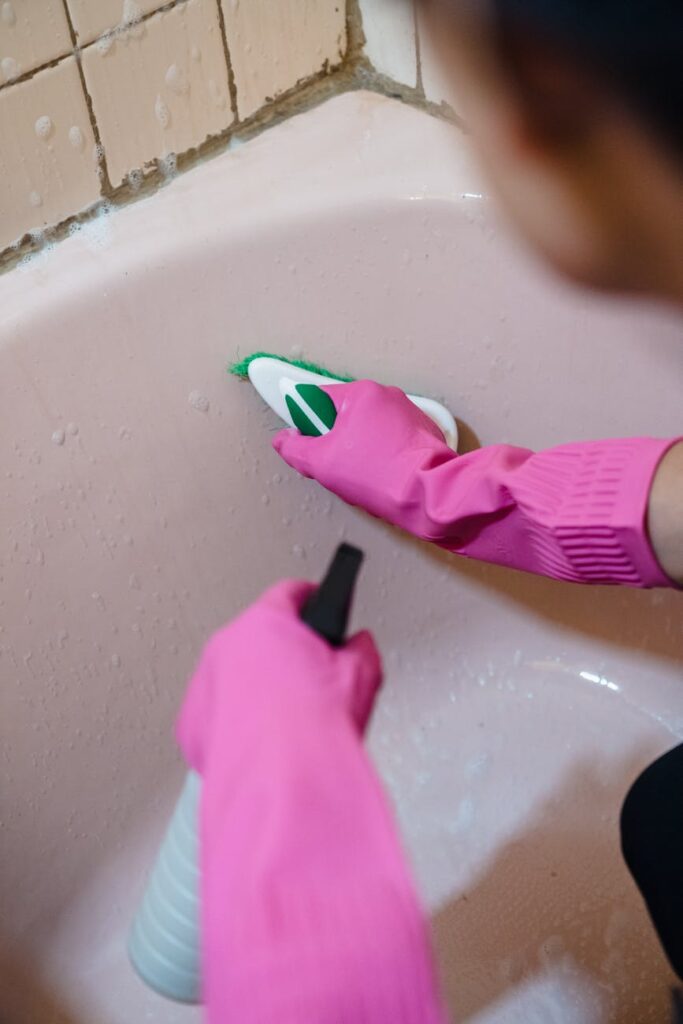
Mold on Ceiling Bathroom Guide Part 1
Introduction
Mold in the bathroom is more than just an eyesore; it can lead to serious health issues and damage to your home. One of the most common places for mold to flourish is on the bathroom ceiling, where humidity levels are often high. This guide will help you understand the causes of mold, how to effectively remove it, and how to prevent it from returning.
What Causes Bathroom Mold?
Mold thrives in damp, poorly ventilated areas, making bathrooms a prime target. The following factors contribute to mold growth on bathroom ceilings:
1. High Humidity: Showers and baths create steam, raising humidity levels.
2. Poor Ventilation: Lack of airflow allows moisture to linger.
3. Water Leaks: Leaks from roofs, plumbing, or even condensation can create a wet environment.
4. Organic Material: Mold feeds on organic materials like drywall and paint.
Understanding these causes is crucial for effectively addressing and preventing mold growth.
Why This Problem Happens
Mold can develop quickly, often within 24-48 hours of moisture exposure. Bathrooms are particularly vulnerable due to:
- Condensation: Warm air from showers can condense on cooler surfaces, creating damp spots.
- Infrequent Cleaning: Mold spores can settle and proliferate if not regularly cleaned.
- Neglected Maintenance: Cracks or gaps in ceilings can allow moisture to enter, creating a breeding ground for mold.
- Protective gear (gloves, mask, goggles)
- Ladder or step stool
- Cleaning solution (homemade or commercial)
- Scrub brush or sponge
- Bucket
- Rags or paper towels
- Spray bottle
- Fan (optional)
Recognizing these triggers will aid in tackling the problem head-on.
How to Fix Bathroom Mold (Step-by-Step)
Removing mold from your bathroom ceiling isn’t just about cleaning; it’s about creating a dry, inhospitable environment for future growth. Follow these steps:
Step 1: Gather Your Supplies
You will need:
Step 2: Prepare the Area
1. Turn Off the Fan: Ensure your bathroom fan is off to prevent spores from spreading.
2. Remove Items: Take down any decor or items near the ceiling.
3. Ventilate: Open windows and doors, or use a fan to increase airflow.
Step 3: Apply Cleaning Solution
1. Choose a Cleaner: You can use a store-bought mold remover or make your own with equal parts vinegar and water or a mixture of bleach and water (1 cup bleach to 1 gallon of water).
2. Spray the Affected Area: Generously apply the solution to the moldy spots on the ceiling. Allow it to sit for 10-15 minutes.
Step 4: Scrub the Mold Away
1. Scrub the Area: Using a scrub brush or sponge, gently scrub the mold. Be thorough to ensure you remove all traces.
2. Rinse: Wipe the area with a damp rag to remove any residue from the cleaning solution.
Step 5: Dry the Area
1. Dry with a Clean Cloth: Use a clean rag to absorb any remaining moisture.
2. Increase Ventilation: Keep fans running or windows open until the ceiling is completely dry.
Step 6: Assess for Damage
Check for any water leaks or damage to the ceiling. If the paint is peeling or the drywall is compromised, you may need to consider repairs or replacements.
Best Cleaning Methods
1. Vinegar and Water
Vinegar is a natural mold killer. It’s safe and effective for light to moderate mold issues.
2. Bleach Solution
Bleach is effective for tough mold stains but should be used with caution due to its harsh chemicals. Always wear protective gear and ensure proper ventilation.
3. Commercial Mold Removers
There are many products designed specifically for mold removal. Check labels to ensure they are suitable for ceilings and read instructions carefully.
Common Mistakes to Avoid
1. Ignoring the Source: Simply cleaning mold without addressing the underlying moisture issue will lead to a recurrence.
2. Using Inadequate Ventilation: Not allowing for sufficient airflow during and after cleaning can trap moisture.
3. Scrubbing Too Hard: Aggressive scrubbing can damage the ceiling surface, making it more prone to mold.
4. Not Wearing Protection: Mold spores can be harmful; always wear gloves, a mask, and goggles when cleaning.
Prevention Tips
1. Improve Ventilation: Install or upgrade exhaust fans to improve airflow.
2. Regular Cleaning: Clean your bathroom weekly to prevent mold buildup.
3. Use Mold-Resistant Paint: Consider using mold-resistant paint on ceilings and walls.
4. Fix Leaks Promptly: Address any plumbing or roof leaks as soon as they are detected.
5. Control Humidity: Use a dehumidifier in particularly humid climates or seasons.
Frequently Asked Questions
1. How often should I clean my bathroom ceiling for mold?
Aim to clean your bathroom ceiling at least once a month to prevent mold buildup, especially in humid conditions.
2. Can I paint over mold?
No, painting over mold without removing it can lead to more significant problems. Always clean the area first before painting.
3. Is mold on the ceiling dangerous?
While not all mold is harmful, some types can produce allergens or irritants. It’s crucial to address mold issues promptly.
4. What is the best way to prevent mold in my bathroom?
Improving ventilation, keeping surfaces dry, and regularly cleaning are key steps in preventing mold growth.
5. How can I tell if I have a mold problem?
Look for discoloration or staining on ceilings, walls, and fixtures, as well as a musty smell.
6. Do I need to hire a professional for mold removal?
For extensive mold growth or if you have health concerns, it may be best to consult a professional mold remediation service.
—
By following this guide, you can effectively tackle mold on your bathroom ceiling and keep your space clean and safe. In the next part, we will delve deeper into mold prevention strategies and advanced cleaning techniques.