
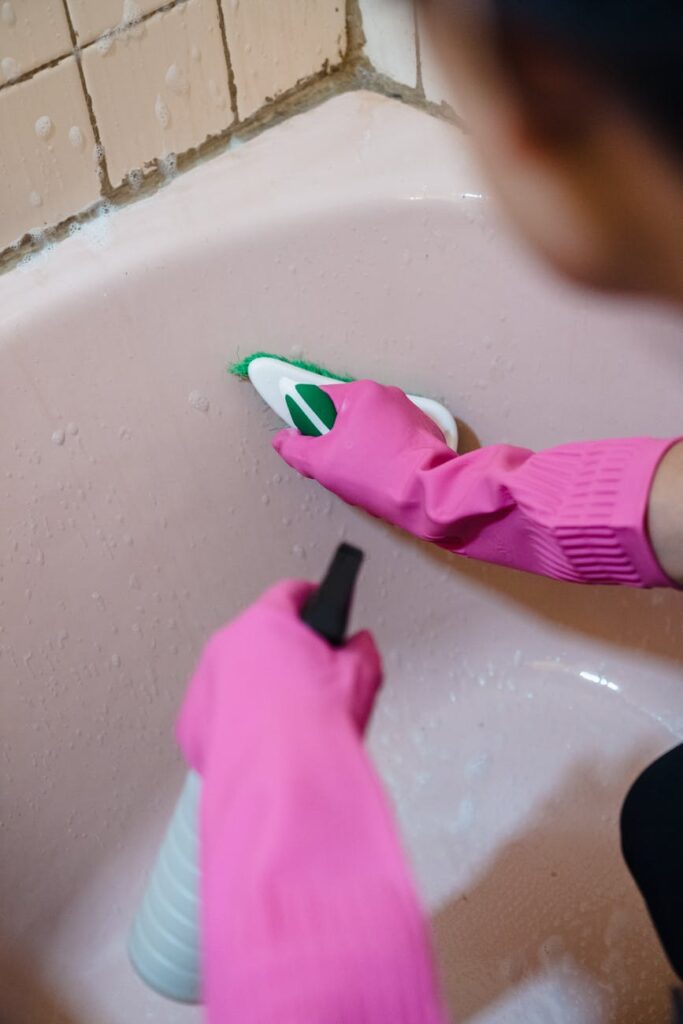
Mold in Shower Odours Guide Part 2
Introduction
Mold in the shower not only looks unpleasant but can also create offensive odours that linger in your bathroom. Understanding the causes of these odours, how to eliminate them, and steps to prevent them from returning is essential for maintaining a fresh and clean space. This guide will provide you with practical solutions to tackle odours caused by mold effectively.
What Causes Odours?
The primary cause of unpleasant odours in the shower is mold and mildew growth. These fungi thrive in warm, damp environments, making bathrooms their perfect breeding ground. When mold and mildew grow, they release volatile organic compounds (VOCs), which emit musty or earthy smells. Other contributors to shower odours can include:
- Soap Scum: A buildup of soap residue can provide a food source for mold.
- Poor Ventilation: Insufficient airflow allows moisture to accumulate, promoting mold growth.
- Dirty Grout: Grout can trap moisture and organic material, leading to odours.
- Clogged Drains: Debris in the drain can cause stagnant water, resulting in foul smells.
- High Humidity: Bathrooms often have high humidity levels due to hot showers and baths.
- Inadequate Lighting: Dark areas in the shower can create ideal conditions for mold to grow.
- Neglect: Failing to clean the shower regularly allows soap scum and moisture to build up.
- Water Leaks: Hidden leaks can create damp conditions that promote mold growth.
- Cleaning solution (vinegar, baking soda, or a commercial mold cleaner)
- Scrub brush or sponge
- Spray bottle
- Gloves
- Bucket
- Old toothbrush (for grout)
- For vinegar: Fill a spray bottle with white vinegar and spray generously on affected areas.
- For baking soda: Make a paste of baking soda and water, apply it to the moldy spots, and let it sit for 15-20 minutes.
- Ignoring the Grout: Mold can easily hide in grout lines. Make sure to clean these areas thoroughly.
- Using Too Much Cleaner: Using excessive amounts of cleaning products can lead to residue buildup, attracting more dirt and mold.
- Neglecting Ventilation: After cleaning, continue to ventilate the bathroom to prevent moisture buildup.
- Not Following Up: Allowing mold to persist can lead to recurring odours. Regular maintenance is key.
Why This Problem Happens
Understanding why mold odours occur can help in tackling the issue more effectively. Mold and mildew thrive in:
How to Fix Odours (Step-by-Step)
1. Gather Your Supplies: You will need:
2. Remove Items from the Shower: Take out all personal items, such as shampoos and razors, to access all areas.
3. Ventilate the Area: Open windows and doors to increase airflow. If possible, run an exhaust fan.
4. Apply Cleaning Solution:
5. Scrub Affected Areas: Use a scrub brush or sponge to scrub the surfaces thoroughly. For grout, use an old toothbrush to get into the crevices.
6. Rinse: After scrubbing, rinse all surfaces with warm water to remove cleaning residues.
7. Dry Thoroughly: Use a squeegee to remove excess water from walls and floor. Wipe down all surfaces with a dry towel to eliminate moisture.
8. Repeat if Necessary: If odours persist, repeat the cleaning process or consider using a stronger commercial product.
Best Cleaning Methods
Vinegar
Vinegar is a natural disinfectant and effective mold killer. Its acidity helps break down soap scum and kill mold spores.
Baking Soda
Baking soda is an excellent deodorizer and gentle abrasive. It can be mixed with water to form a paste for scrubbing.
Hydrogen Peroxide
A 3% hydrogen peroxide solution can kill mold and mildew. Spray it on the affected area, let it sit for about 10 minutes, and then scrub and rinse.
Commercial Mold Removers
If natural methods don’t work, consider using a commercial mold cleaner. Choose a product specifically designed for bathrooms and follow the instructions carefully.
Common Mistakes to Avoid
Prevention Tips
1. Keep the Shower Dry: Use a squeegee after each shower to remove excess water from surfaces.
2. Improve Ventilation: Install an exhaust fan or open windows to reduce humidity levels.
3. Use Mold-Resistant Products: Consider using mold-resistant paint and shower curtains.
4. Regular Cleaning: Clean your shower at least once a week to prevent soap scum accumulation.
5. Check for Leaks: Regularly inspect plumbing for leaks or drips that could create damp conditions.
6. Use a Dehumidifier: In particularly humid climates, a dehumidifier can help keep moisture levels in check.
Frequently Asked Questions
1. How can I tell if I have mold in my shower?
Look for dark spots on tiles, grout, or caulk, and pay attention to any musty odours.
2. Can I use bleach to clean mold?
While bleach can kill mold on non-porous surfaces, it may not penetrate porous materials like grout. Opt for vinegar or commercial cleaners for better results.
3. How often should I clean my shower to prevent mold?
Aim for at least once a week, or more frequently if your bathroom is particularly humid.
4. What are the best products for cleaning mold in the shower?
Vinegar, baking soda, hydrogen peroxide, and commercial mold removers designed for bathrooms are all effective options.
5. Can I prevent mold from forming in the first place?
Yes! Keep surfaces dry, improve ventilation, and clean regularly to minimize the risk of mold growth.
6. Is mold in the shower dangerous?
While most shower mold is not harmful, it can trigger allergies and respiratory issues in sensitive individuals. It’s best to remove it promptly.
Keeping your shower free from mold and odours is achievable with consistent cleaning and preventive measures. By following the steps outlined in this guide, you can maintain a fresh, clean environment in your bathroom.