
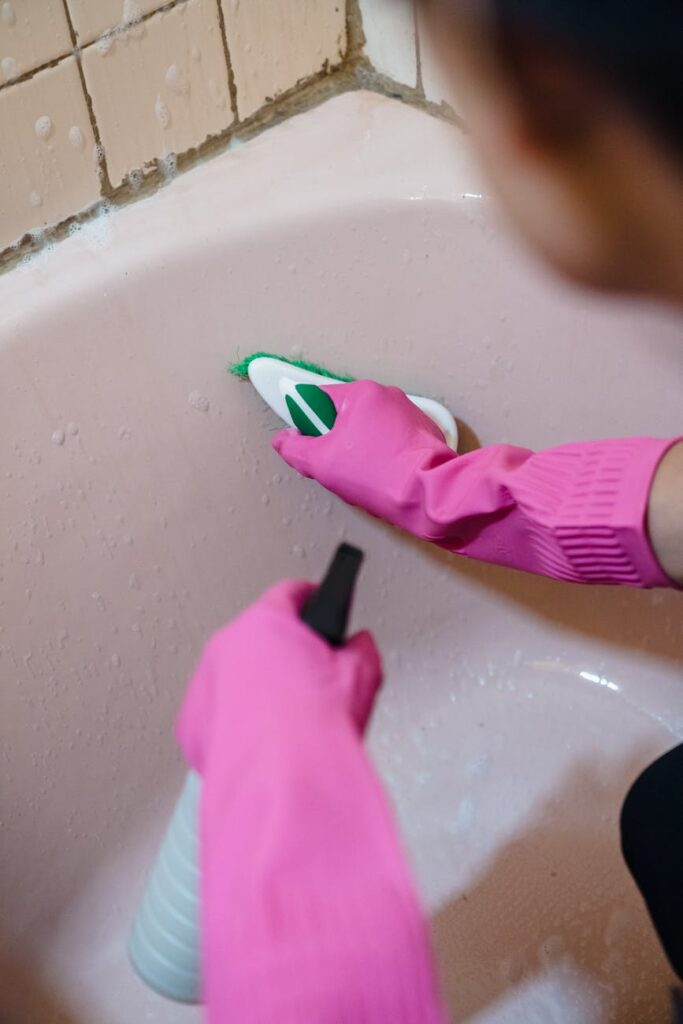
Mold in Shower Laundry Guide Part 1
Introduction
Mold in the shower is not just an eyesore—it can lead to unpleasant odors and potential health risks if left unchecked. One of the most common areas affected by mold is laundry, especially when towels and shower curtains are involved. This guide will help you understand the causes, solutions, and prevention methods for moldy laundry associated with your shower.
What Causes Laundry?
Laundry can become a breeding ground for mold due to various factors:
1. Moisture: Bathrooms are often humid environments, especially after hot showers. This moisture can quickly transfer to towels and other laundry items.
2. Poor Ventilation: A lack of air circulation can trap moisture, providing a perfect condition for mold growth.
3. Dirty Laundry: Leaving wet towels or clothes in the laundry basket can encourage mold spores to thrive.
4. Detergent Residue: Using too much laundry detergent or fabric softener can leave a film on fabrics, attracting mold.
Why This Problem Happens
Mold spores are everywhere, and they thrive in damp, dark environments. When laundry, particularly towels and shower curtains, stays wet for too long, it creates the ideal conditions for mold to grow. Understanding this helps homeowners take proactive measures to minimize mold development.
How to Fix Laundry (Step-by-Step)
If you discover mold in your laundry, follow these steps to tackle the problem effectively:
Step 1: Gather Your Supplies
- White vinegar
- Baking soda
- Laundry detergent
- Hot water
- A scrub brush
- A washing machine
- Mix one cup of white vinegar with two cups of water in a spray bottle.
- Spray the moldy areas and let it sit for about 30 minutes.
- Fill your bathtub with warm water, add half a cup of baking soda, and let the curtain soak for 30 minutes.
- Wash them in hot water with regular laundry detergent and an additional cup of white vinegar.
- Use the longest cycle available.
- Transfer the curtain to the washing machine. Add laundry detergent and run a gentle cycle with hot water.
- Always dry your laundry completely—either in a dryer or by hanging them in a well-ventilated area. Moisture is the enemy, so ensure everything is fully dry before storing.
Step 2: Sort Your Laundry
Separate moldy items from the rest of your laundry. This prevents spores from spreading to clean items.
Step 3: Pre-Treat the Stains
1. For Towels:
2. For Shower Curtains:
Step 4: Wash
1. For Towels:
2. For Shower Curtains:
Step 5: Dry Thoroughly
Best Cleaning Methods
When it comes to effective cleaning methods for moldy laundry, consider these options:
1. Vinegar: A natural disinfectant, vinegar can kill mold spores effectively.
2. Baking Soda: Helps to deodorize and remove stains. It can be used in conjunction with vinegar for better results.
3. Bleach: For white fabrics only, bleach can be an effective mold killer. Mix one part bleach with ten parts water, but be cautious as it may weaken fabrics over time.
Common Mistakes to Avoid
1. Leaving Laundry Wet: Always dry laundry promptly to avoid mold growth.
2. Using Too Much Detergent: Excess detergent can leave residues that promote mold. Stick to the recommended amounts.
3. Ignoring the Washing Machine: Mold can grow in the washing machine itself. Regularly clean it by running a hot cycle with vinegar.
4. Storing Laundry in a Damp Area: Ensure that your laundry storage area is dry and well-ventilated.
Prevention Tips
Taking preventive measures can significantly reduce the risk of mold in your laundry:
1. Improve Ventilation: Use exhaust fans or open windows to reduce humidity in the bathroom.
2. Hang Towels to Dry: After use, hang towels out to dry instead of leaving them in a pile.
3. Regularly Wash Towels: Wash towels every few days, especially if they are used frequently.
4. Use Mold-Resistant Products: Consider using mold-resistant shower curtains and laundry detergents.
5. Keep the Bathroom Clean: Regularly clean surfaces in your bathroom to prevent mold growth.
Frequently Asked Questions
1. How often should I wash my towels to prevent mold?
Wash your towels at least once a week, or more frequently if they feel damp or have an odor.
2. Can I use fabric softener on towels?
It’s best to avoid fabric softeners on towels, as they can leave a residue that traps moisture.
3. What temperature should I wash towels to kill mold?
Wash towels in hot water (at least 140°F or 60°C) to effectively kill mold spores.
4. How can I tell if my laundry has mold?
Look for black, green, or white spots on the fabric, and smell for musty odors.
5. Is it safe to use bleach on colored laundry?
No, bleach can discolor colored fabrics. Stick to vinegar or baking soda for colored items.
6. What should I do if the mold persists after washing?
If mold remains after washing, repeat the cleaning process or consider replacing the affected items.
By following this guide, you can effectively tackle mold in your shower laundry and maintain a healthier living environment. Stay tuned for Part 2, where we will delve into more advanced cleaning techniques and product recommendations.