
Mold in Shower Kitchen Guide Part 2
Introduction
Mold in the kitchen, especially in wet areas like the shower, can be a persistent problem. Not only is it unsightly, but it can also pose challenges for maintaining a clean and healthy kitchen environment. This guide aims to provide practical solutions to help you tackle mold, ensuring your kitchen remains a safe and pleasant space.
What Causes Mold in the Kitchen?
Understanding the causes of mold is crucial for effective cleaning and prevention. Mold thrives in damp, warm environments, making kitchens prime candidates for growth. Here are the primary causes:
- High Humidity: Kitchens often have high moisture levels due to cooking and cleaning.
- Poor Ventilation: Inadequate airflow can trap moisture, creating a breeding ground for mold.
- Water Leaks: Leaky pipes or appliances can provide the moisture mold needs to flourish.
- Condensation: Warm air hitting cold surfaces can result in condensation, promoting mold growth.
- Around the sink
- Underneath kitchen cabinets
- In the shower area if adjacent to the kitchen
- Behind appliances like dishwashers and refrigerators
- Rubber gloves
- Mask (to avoid inhaling spores)
- Scrub brush or sponge
- Bucket
- Cleaning solution (vinegar, bleach, or commercial mold remover)
- Spray bottle
- Cloth or paper towels
- For Vinegar: Pour undiluted white vinegar into a spray bottle and saturate the moldy area.
- For Bleach: Mix one cup of bleach with one gallon of water. Apply it with a sponge or cloth.
- For Commercial Solutions: Follow package instructions for application.
- Vinegar: A natural option that kills about 82% of mold species. It’s non-toxic and safe for most surfaces.
- Bleach: Effective for non-porous surfaces, but it can damage certain materials and is not recommended for porous surfaces like wood.
- Baking Soda: A gentle abrasive that can help scrub away mold while also neutralizing odors. Mix with water to form a paste.
- Commercial Mold Removers: Often contain specific chemicals designed to tackle mold. Always read the label for safety and application instructions.
- Ignoring the Source: Failing to address the underlying moisture problem will allow mold to return.
- Using Water Alone: Simply rinsing with water won’t kill mold. Always use a cleaning solution.
- Not Wearing Protective Gear: Mold spores can be harmful if inhaled. Always wear gloves and a mask while cleaning.
- Skipping Drying: Leaving areas damp after cleaning creates the perfect environment for mold to regrow.
- Improve Ventilation: Use exhaust fans during cooking and install a dehumidifier if necessary.
- Seal Cracks and Gaps: Regularly inspect and seal any cracks around sinks, showers, and appliances.
- Regular Cleaning: Establish a routine cleaning schedule for your kitchen, focusing on damp areas.
- Fix Leaks Promptly: Address any leaks in pipes or appliances immediately to prevent moisture buildup.
- Keep Surfaces Dry: After using the sink or shower, wipe down surfaces to remove excess moisture.
Identifying these issues can help you address the root causes of mold in your kitchen.
Why This Problem Happens
Mold spores are present everywhere in the environment but need specific conditions to grow. In kitchens, the combination of heat, moisture, and organic material (like food particles) creates an ideal setting. Common areas where mold tends to appear include:
Recognizing these hotspots allows you to focus your cleaning efforts effectively.
How to Fix Mold in the Kitchen (Step-by-Step)
Removing mold requires a systematic approach. Follow these steps for effective cleaning:
Step 1: Gather Supplies
You’ll need:
Step 2: Prepare the Area
Clear the area of any items that may get in the way. This will help you reach all moldy surfaces and prevent contamination.
Step 3: Apply Cleaning Solution
Step 4: Scrub the Mold
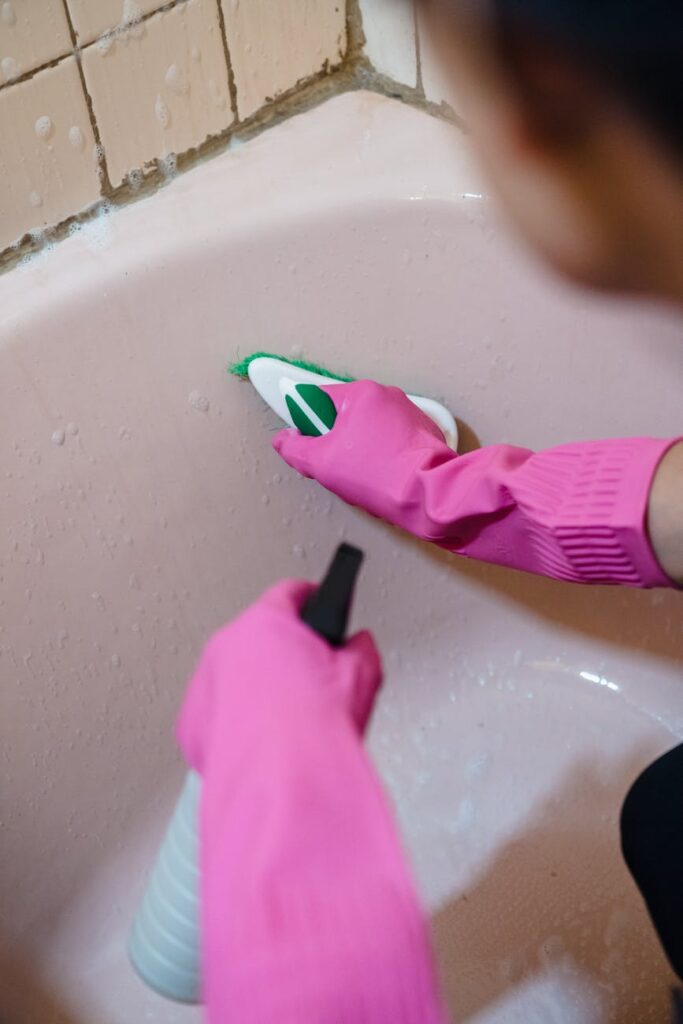
Using your scrub brush or sponge, scrub the affected areas thoroughly. Make sure to get into crevices where mold tends to hide.
Step 5: Rinse and Dry
Rinse the cleaned area with water and dry it thoroughly with a cloth or paper towel. Ensuring the area is dry is crucial to prevent mold from returning.
Step 6: Dispose of Cleaning Materials
Dispose of any sponges or cloths used in the cleaning process to avoid spreading spores.
Best Cleaning Methods
Different cleaning methods can be effective against mold:
Choose the method that best suits your needs and the affected surface.
Common Mistakes to Avoid
When dealing with mold in the kitchen, avoid these common pitfalls:
Prevention Tips
Preventing mold is easier than removing it. Here are some actionable tips:
Frequently Asked Questions
1. How often should I clean for mold in the kitchen?
Aim to clean high-moisture areas at least once a month, or more frequently if you notice mold growth.
2. Can mold in the kitchen affect my health?
Yes, mold can trigger allergies and respiratory issues. It’s important to clean it promptly and maintain a mold-free environment.
3. Is bleach the best option for removing mold?
Bleach is effective on non-porous surfaces but can damage porous materials. Consider vinegar or baking soda for a safer alternative.
4. How can I tell if I have mold?
Look for black, green, or white spots on surfaces, particularly in damp areas. A musty smell is also a strong indicator.
5. Can I use essential oils to prevent mold?
While some essential oils have antifungal properties, they are not a substitute for proper cleaning and maintenance.
6. What if the mold returns after cleaning?
If mold returns, recheck for moisture sources. Consider consulting a professional if the problem persists.
By following this guide, you can effectively tackle mold in your kitchen and shower areas, ensuring a clean and healthy home environment. Remember, prevention is key, so stay proactive to keep mold at bay.