
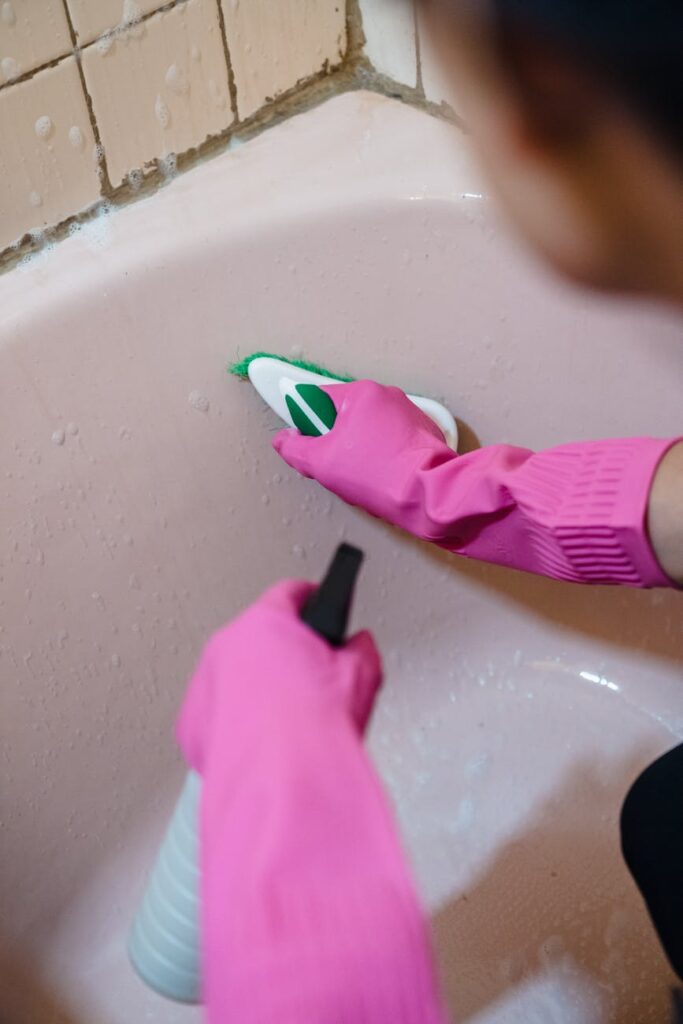
Mold in Shower Cleaning Guide Part 2
Introduction
Mold in the shower is not just an eyesore; it can also lead to unpleasant odors and potential health risks. In this guide, we’ll delve into the causes of mold growth, effective cleaning methods, and how to prevent it from returning. Whether you’re dealing with stubborn black spots or fuzzy patches, this guide will provide you with practical solutions to keep your shower clean and mold-free.
What Causes Mold Growth?
Mold thrives in damp environments, making the shower an ideal breeding ground. The primary factors contributing to mold growth in showers include:
1. Humidity: Showers produce steam, which raises humidity levels. High humidity promotes mold growth.
2. Poor Ventilation: Without proper airflow, moisture lingers, creating an environment for mold to flourish.
3. Organic Material: Soap residue, body oils, and hair can provide nutrients that aid mold growth.
4. Neglected Areas: Corners, grout lines, and caulking often go unnoticed, allowing mold to take hold.
Understanding these factors can help you address the root cause effectively.
Why This Problem Happens
Mold in the shower doesn’t appear overnight. Several conditions contribute to its development:
- Infrequent Cleaning: Regular cleaning disrupts the mold’s lifecycle and prevents buildup.
- Water Leaks: Leaky pipes or fixtures can create moisture-rich environments that encourage mold growth.
- Temperature Fluctuations: Variations in temperature can contribute to condensation, especially in poorly ventilated bathrooms.
- Old Caulking: Worn-out caulk may crack or peel, providing a perfect spot for mold to grow.
- Rubber gloves
- Protective eyewear
- Scrub brush or sponge
- Bucket
- Cleaning solution (bleach, vinegar, or commercial mold remover)
- Spray bottle
- Old toothbrush (for grout cleaning)
- Rags or paper towels
- Bleach: Mix one cup of bleach with one gallon of water for tough mold.
- Vinegar: Use undiluted white vinegar for a milder option.
- Commercial Mold Remover: Follow the product instructions.
- Aim for weekly cleanings to prevent mold buildup.
- No, mixing vinegar and bleach creates toxic fumes. Use them separately.
- Wash fabric curtains in the washing machine with hot water and vinegar. For plastic, wipe with a vinegar solution.
- Use a mixture of baking soda and water or a commercial grout cleaner. Scrub with a toothbrush.
- While not all mold is harmful, it can cause allergic reactions and respiratory issues in some individuals.
- Investigate potential moisture sources, improve ventilation, and ensure regular cleaning.
By recognizing these issues, you can take proactive steps to eliminate mold and prevent future occurrences.
How to Fix Mold in Shower (Step-by-Step)
Step 1: Gather Your Supplies
Before you start, make sure you have the following items:
Step 2: Prepare the Area
1. Remove Shower Items: Take out shampoo bottles, soap, and any other items from the shower.
2. Ventilate the Area: Open windows or turn on the exhaust fan to improve airflow.
Step 3: Apply the Cleaning Solution
1. Choose Your Cleaner:
2. Spray the Affected Areas: Generously spray the moldy spots, focusing on grout lines, corners, and caulk.
Step 4: Let It Sit
Allow the cleaner to sit for at least 10–15 minutes. This dwell time helps to kill the mold spores.
Step 5: Scrub the Mold Away
Using a scrub brush or sponge, scrub the moldy areas vigorously. For stubborn spots, use an old toothbrush to get into the grout lines.
Step 6: Rinse Thoroughly
Use warm water to rinse off the cleaning solution. Make sure to remove all residue to prevent further mold growth.
Step 7: Dry the Area
Wipe down the surfaces with a clean rag or paper towel to eliminate moisture. Leaving any water behind can encourage mold to reappear.
Best Cleaning Methods
1. Bleach Solution: Effective against tough mold. Always wear gloves and goggles when using bleach.
2. Vinegar: A natural mold killer. Spray undiluted vinegar on affected areas and wipe clean after 30 minutes.
3. Baking Soda Paste: Mix baking soda with water to form a paste. Apply to moldy areas, let it sit, then scrub and rinse.
4. Hydrogen Peroxide: Use a 3% solution. Spray on mold, let sit for 10 minutes, scrub, and rinse.
5. Commercial Cleaners: Select a product designed for mold and mildew removal. Follow the instructions carefully.
Common Mistakes to Avoid
1. Using Too Much Cleaner: More isn’t always better. A small amount of cleaner is usually enough.
2. Not Ventilating: Skipping ventilation can lead to inhaling fumes, especially when using bleach.
3. Not Scrubbing: Simply spraying and rinsing won’t eliminate the mold. Scrubbing is essential.
4. Ignoring Caulk: Neglecting old or damaged caulk allows mold to take root.
5. Inconsistent Cleaning: Failing to clean regularly can lead to recurring mold problems.
Prevention Tips
1. Use a Squeegee: After each shower, use a squeegee to remove excess water from walls and glass doors.
2. Improve Ventilation: Keep your bathroom well-ventilated by using an exhaust fan or opening windows.
3. Regular Cleaning: Clean your shower weekly to prevent mold buildup.
4. Seal Grout and Caulk: Use mold-resistant caulk and sealant to protect vulnerable areas.
5. Keep Shower Dry: Leave the shower door open after use to allow moisture to escape.
6. Control Humidity: Consider using a dehumidifier in particularly humid areas.
Frequently Asked Questions
1. How often should I clean my shower to prevent mold?
2. Can I use vinegar and bleach together?
3. What’s the best way to clean shower curtains?
4. How do I remove mold from grout?
5. Is mold in the shower dangerous?
6. What should I do if mold keeps coming back?
By following this comprehensive guide, you can effectively tackle mold in your shower and create a healthier, cleaner bathing environment. Regular maintenance and proactive measures will go a long way in keeping your shower mold-free.