
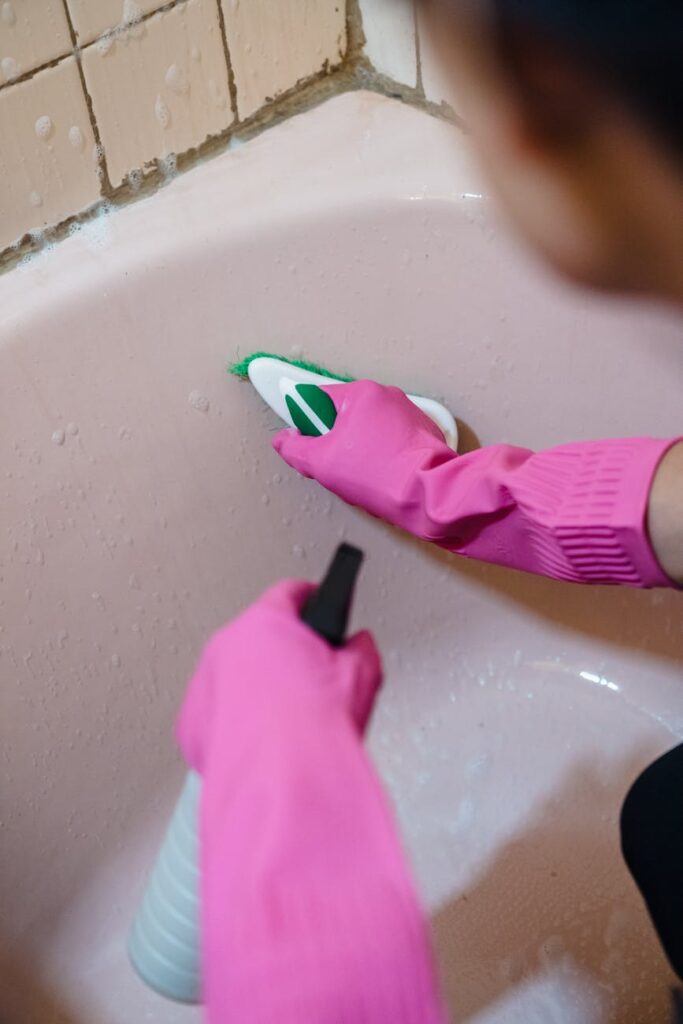
Mold in Shower Bathroom Guide Part 2
Introduction
Mold in the shower is not just an eyesore; it can also lead to more significant problems if left untreated. Understanding how mold develops, how to eliminate it effectively, and ways to prevent its return is essential for maintaining a clean and healthy bathroom environment. In this guide, we will address the causes of mold, effective cleaning methods, and practical prevention tips to keep your shower mold-free.
What Causes Bathroom Mold?
Mold thrives in damp, warm environments, making bathrooms the perfect breeding ground. Several factors contribute to mold growth in your shower:
1. Humidity: High humidity levels are common in bathrooms due to hot showers. This moisture creates an ideal environment for mold spores to settle and grow.
2. Poor Ventilation: Bathrooms without proper ventilation trap moisture. Lack of air circulation can exacerbate humidity levels.
3. Water Leaks: Leaky pipes or fixtures can create damp areas that foster mold growth.
4. Soap Scum and Residue: Soap and shampoo residue can provide nutrients for mold, allowing it to flourish.
5. Lack of Regular Cleaning: Infrequent cleaning allows mold spores to settle and grow unchecked.
Why This Problem Happens
Understanding why mold appears in your shower is crucial to effective treatment. Mold spores are naturally present in the air and can land on wet surfaces. When conditions are right—such as excess moisture and a food source (like soap scum)—they can multiply rapidly. Areas that are often missed during cleaning, like grout lines and corners, can quickly become a breeding ground for mold.
How to Fix Bathroom Mold (Step-by-Step)
1. Gather Supplies:
- Protective gloves
- Mask
- Scrubbing brush or sponge
- Spray bottle
- Cleaning solution (bleach, vinegar, or commercial mold remover)
- Baking soda (optional)
- Open windows and doors to allow airflow. Turn on the bathroom fan if available.
- For a vinegar solution, mix equal parts water and vinegar in a spray bottle. For bleach, mix one cup of bleach with a gallon of water. Spray the affected areas generously.
- Allow the solution to sit for at least 10-15 minutes to penetrate the mold.
- Use a scrubbing brush or sponge to scrub the moldy areas. Pay special attention to grout lines and corners.
- Rinse the area with warm water to remove cleaning solution and loosened mold.
- Wipe down surfaces with a dry towel or cloth. Ensure the area is completely dry to inhibit mold regrowth.
- For stubborn mold, repeat the process until the area is clean.
- Vinegar is a natural mold killer. Combine it with baking soda to create a powerful paste. Apply it where mold is present, let it sit, then scrub and rinse.
- Use a 3% hydrogen peroxide solution in a spray bottle. Spray, let it sit for 10 minutes, and scrub.
- Products specifically designed for mold removal can be effective. Follow the manufacturer’s instructions for the best results.
- While effective, bleach can discolor surfaces and is less effective on porous materials. Use it for non-porous surfaces only.
- Excessive water during cleaning can promote more mold growth. Always ensure surfaces are dried thoroughly afterward.
- Mold often hides in grout. Be diligent about cleaning these areas.
- After cleaning, ensure your bathroom is well-ventilated to prevent moisture build-up.
- Always wear gloves and a mask when working with mold, especially when using harsh chemicals.
- Avoid using oil-based soaps or cleaners, as they can feed mold growth.
- Install an exhaust fan or open windows during and after showers to reduce humidity.
- After each shower, use a squeegee to wipe down walls and glass doors. This reduces moisture accumulation.
- Use a grout sealer to create a barrier against moisture. Reapply every year for best results.
- Establish a regular cleaning schedule to keep mold at bay. Clean your shower at least once a week.
- Opt for mold-resistant shower curtains, paints, and caulking when remodeling or updating your bathroom.
- Consider using a dehumidifier in the bathroom if humidity levels are consistently high.
2. Ventilate the Area:
3. Apply Cleaning Solution:
4. Let It Sit:
5. Scrub the Surface:
6. Rinse Thoroughly:
7. Dry the Area:
8. Repeat If Necessary:
Best Cleaning Methods
1. Vinegar and Baking Soda:
2. Hydrogen Peroxide:
3. Commercial Mold Removers:
4. Bleach Solution:
Common Mistakes to Avoid
1. Using Too Much Water:
2. Ignoring Grout Lines:
3. Neglecting Ventilation:
4. Not Wearing Protective Gear:
5. Using the Wrong Cleaning Products:
Prevention Tips
1. Ventilate Properly:
2. Wipe Down Surfaces:
3. Seal Grout Lines:
4. Regular Cleaning:
5. Use Mold-Resistant Products:
6. Control Humidity:
Frequently Asked Questions
1. How can I tell if I have mold in my shower?
Look for black, green, or brown spots on surfaces, especially in grout lines and corners. A musty odor may also indicate mold presence.
2. Is bleach the best solution for mold?
While effective, bleach is not always the best choice, especially for porous surfaces. Consider alternatives like vinegar or hydrogen peroxide.
3. How often should I clean my shower to prevent mold?
Aim to clean your shower at least once a week to prevent mold growth.
4. Can I use essential oils to prevent mold?
Some essential oils, like tea tree oil, have antifungal properties. However, they should not replace regular cleaning and maintenance.
5. Is it safe to remove mold myself?
Yes, you can safely remove mold yourself if you take precautions, such as wearing gloves and a mask. For extensive mold infestations, consider hiring a professional.
6. What should I do if mold keeps coming back?
If mold persists despite cleaning, check for leaks or poor ventilation. You may need to consult a professional for a thorough inspection.
By understanding the causes and effective methods to eliminate mold, you can maintain a clean, healthy shower environment. Regular cleaning and preventive measures will help keep your bathroom mold-free, ensuring it remains a safe space for you and your family.