
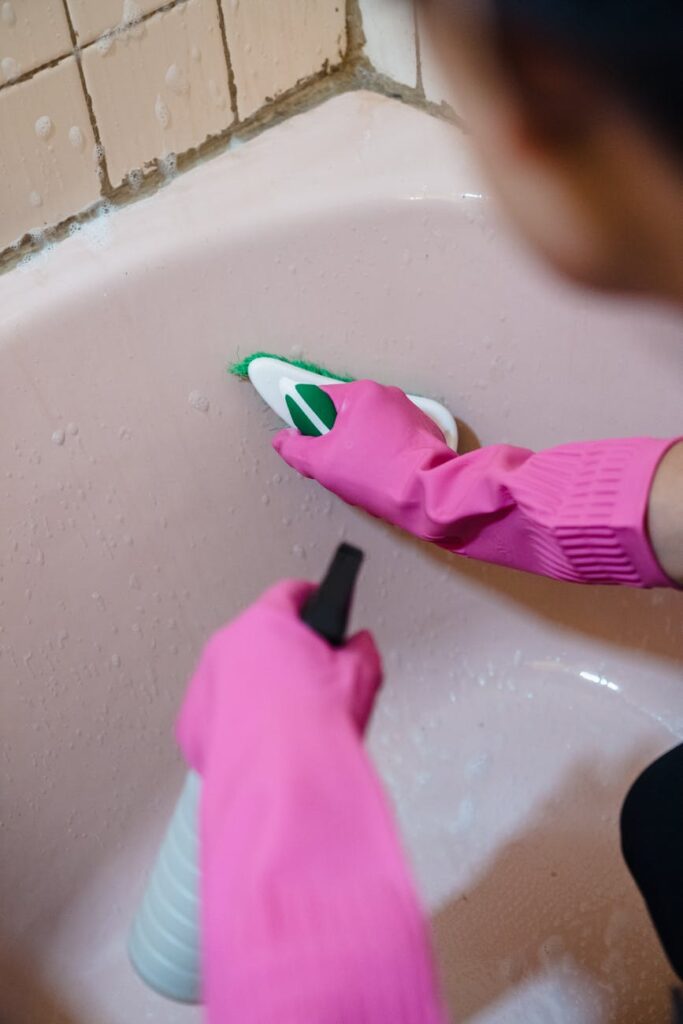
Mold in Shower Bathroom Guide Part 1
Introduction
Mold in the shower is a common issue that many homeowners face. Not only does it create an unsightly appearance, but it can also lead to unpleasant odors and potential health risks. This guide aims to provide you with clear, actionable steps to identify, remove, and prevent mold in your bathroom shower.
What Causes Mold in the Bathroom?
Mold thrives in damp, warm environments, making bathrooms an ideal breeding ground. Specifically, mold in the shower can be attributed to several factors:
- High Humidity: Showers produce a lot of steam, which increases moisture levels.
- Poor Ventilation: Bathrooms often lack proper airflow, trapping humidity.
- Water Leaks: Any leaks from plumbing fixtures can create standing water.
- Organic Material: Soap scum, hair, and skin particles can serve as food for mold.
- Infrequent Cleaning: Neglecting regular cleaning allows mold spores to settle and multiply.
- Lack of Maintenance: Cracked grout or caulk can trap water, leading to mold.
- Climatic Conditions: Humid climates or winters with significant indoor heating can exacerbate mold growth.
- Rubber gloves
- A mask (to avoid inhaling spores)
- Scrub brush or sponge
- Spray bottle
- White vinegar or a mold cleaner
- Baking soda (optional)
- Old toothbrush (for tight spaces)
- Ensure the bathroom is well-ventilated. Open windows or turn on the exhaust fan.
- Remove any items from the shower area, like toiletries and towels.
- For Mild Mold: Spray white vinegar directly onto the moldy areas. Let it sit for 30 minutes.
- For Heavy Mold: Use a commercial mold cleaner following the manufacturer’s instructions.
- Using Bleach: While bleach may kill surface mold, it doesn’t penetrate porous surfaces effectively and can lead to regrowth.
- Ignoring Ventilation: Failing to improve airflow can allow mold to return quickly.
- Not Following Instructions: Always read and follow the directions on cleaning products for best results.
- Cleaning Without Protection: Skipping gloves or a mask can expose you to mold spores and harmful chemicals.
- Install an exhaust fan and use it during and after showers.
- Open windows when possible to allow moisture to escape.
- Clean your shower weekly to remove soap scum and moisture.
- Use a daily shower spray to deter mold growth.
- Regularly check for leaks in pipes and fixtures.
- Repair any leaks immediately to prevent water accumulation.
- Consider using mold-resistant paint and shower curtains.
- Opt for grout and caulk that contain mold inhibitors.
Why This Problem Happens
Understanding why mold develops can help you tackle the problem effectively. The combination of moisture, warmth, and organic material creates a perfect storm for mold growth. Here are the main contributors:
How to Fix Mold in the Shower (Step-by-Step)
Removing mold requires a systematic approach. Follow these steps for effective cleaning:
Step 1: Gather Supplies
You will need:
Step 2: Prepare the Area
Step 3: Apply Cleaner
Step 4: Scrub the Affected Areas
Using your scrub brush or sponge, scrub the moldy areas thoroughly. For tight spaces, use an old toothbrush to reach corners and grout lines.
Step 5: Rinse and Dry
Rinse the shower thoroughly with water to remove all cleaning agents. Wipe down surfaces with a dry towel to minimize moisture.
Step 6: Check for Damage
Inspect grout and caulk for cracks or damage. If necessary, reapply caulk or repair grout to prevent future mold growth.
Best Cleaning Methods
Different cleaning methods can be effective against mold. Here are some of the best:
1. White Vinegar
Vinegar is a natural mold killer. Its acidity breaks down mold and prevents future growth.
2. Baking Soda
Mix baking soda with water to create a paste. Apply it to moldy areas, scrub, and rinse. This method is gentle yet effective.
3. Hydrogen Peroxide
A 3% hydrogen peroxide solution can kill mold on non-porous surfaces. Spray it, let it sit, and rinse afterward.
4. Commercial Cleaners
If home remedies don’t work, consider a commercial mold remover. Look for products specifically designed for bathrooms.
Common Mistakes to Avoid
When dealing with mold, avoid these common pitfalls:
Prevention Tips
Preventing mold is easier than removing it. Here are some effective strategies:
1. Improve Ventilation
2. Regular Cleaning
3. Fix Leaks Promptly
4. Use Mold-Resistant Products
Frequently Asked Questions
1. How can I tell if there’s mold in my shower?
Look for black, green, or brown spots on surfaces. A musty smell is also a strong indicator.
2. Is it safe to use bleach on mold?
Bleach is not recommended for porous surfaces like grout as it does not effectively kill mold in these areas.
3. How often should I clean my shower to prevent mold?
Cleaning your shower at least once a week is ideal to prevent mold and mildew buildup.
4. Can I use essential oils to fight mold?
While some essential oils have antifungal properties, they are not a substitute for thorough cleaning. However, they can be used as a preventative measure.
5. What if the mold keeps coming back?
Persistent mold may indicate a deeper issue, such as a plumbing leak or inadequate ventilation. Investigate and address underlying problems.
6. Are there any natural options to prevent mold growth?
Yes, regularly using vinegar and baking soda can help inhibit mold growth. Additionally, keeping surfaces dry and well-ventilated is crucial.
By following this guide, you will be equipped to tackle mold in your shower effectively. With regular maintenance and the right cleaning techniques, you can enjoy a clean, mold-free bathroom. Stay tuned for Part 2, where we will delve deeper into advanced cleaning techniques and troubleshooting tips.