
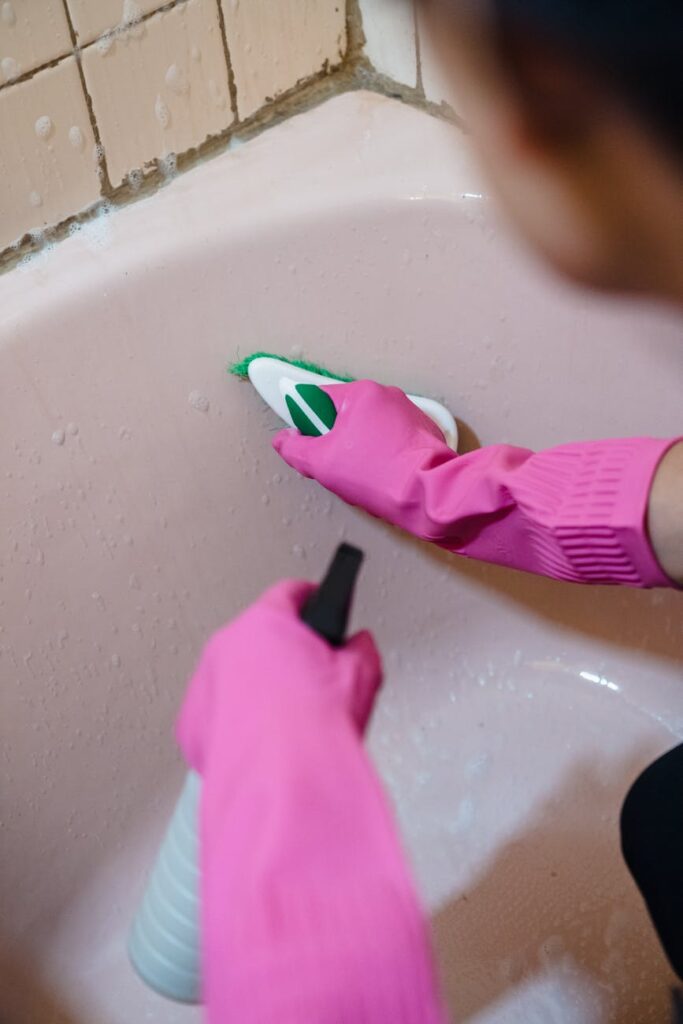
Mold in Shower Appliances Guide Part 1
Introduction
Mold in the shower is a common issue that not only affects the appearance of your bathroom but can also pose a risk to your health. This article will provide you with the essential knowledge and steps needed to tackle mold growth, especially focusing on the appliances commonly found in the shower area. By understanding the causes, effective cleaning methods, and prevention strategies, you can maintain a mold-free shower environment.
What Causes Appliances?
When we refer to “appliances” in the context of mold in the shower, we are talking about the fixtures and devices that are commonly found in this area. These include:
- Showerheads
- Shower curtains
- Tiles
- Grout
- Faucets
- Drains
- White vinegar
- Baking soda
- Spray bottle
- Soft scrub brush or sponge
- Old toothbrush
- Microfiber cloth
- Rubber gloves
- Mask (optional for sensitive individuals)
- Remove any items from the shower, including shampoo bottles and toiletries.
- Ensure good ventilation by opening a window or turning on the exhaust fan.
- Fill a spray bottle with white vinegar and spray it directly onto the moldy areas of your shower appliances.
- Let it sit for about 30 minutes. Vinegar is a natural mold killer.
- After the vinegar has set, sprinkle baking soda on the same areas.
- Use a scrub brush or sponge to scrub the surfaces gently. The combination of vinegar and baking soda will create a fizzing reaction, which helps lift mold.
- Rinse the surfaces thoroughly with warm water.
- Wipe down all appliances with a microfiber cloth to remove any remaining moisture.
- If mold remains, repeat the process or consider using a commercial mold remover.
- If your shower curtain or any other item is heavily infested with mold, consider replacing it.
- A simple mixture of equal parts water and vinegar is effective against surface mold.
- Combine baking soda with a small amount of water to create a paste. Apply it to moldy areas, let it sit, and then scrub away.
- A 3% hydrogen peroxide solution can be sprayed on the affected areas. Let it sit for 10 minutes and then scrub and rinse.
- Use a mold-specific cleaner. Always follow the instructions and use safety gear.
Mold thrives in damp, warm environments, making your shower the perfect breeding ground. Any appliance that retains moisture or has not been cleaned regularly can become a mold hotspot.
Why This Problem Happens
Several factors contribute to the growth of mold on shower appliances:
1. Humidity: Showers produce steam and moisture, creating a perfect habitat for mold spores.
2. Poor Ventilation: Bathrooms often lack adequate airflow, which traps humidity.
3. Neglected Cleaning: Infrequent cleaning allows mold to grow unimpeded.
4. Water Leaks: Any leaks from faucets or pipes can create persistent dampness.
5. Material Composition: Some materials, like grout and certain plastics, are more prone to mold growth.
Understanding these factors is crucial for effectively managing mold in your shower.
How to Fix Appliances (Step-by-Step)
Here’s a practical guide to addressing mold on your shower appliances:
Step 1: Gather Supplies
Step 2: Prepare the Area
Step 3: Apply Vinegar
Step 4: Scrub with Baking Soda
Step 5: Rinse and Dry
Step 6: Check for Persistent Mold
Step 7: Dispose of Moldy Items
Best Cleaning Methods
Several methods can be effective in cleaning mold from shower appliances:
1. Vinegar Solution
2. Baking Soda Paste
3. Hydrogen Peroxide
4. Commercial Cleaners
Common Mistakes to Avoid
1. Ignoring Hidden Areas: Mold can grow in hidden corners and behind fixtures. Ensure you check these spots during cleaning.
2. Using the Wrong Tools: Avoid using abrasive scrubbing tools that can damage surfaces.
3. Not Ventilating Properly: Failing to ventilate the bathroom after a shower can worsen mold issues.
4. Using Too Much Water: Over-saturating surfaces can lead to more mold growth.
5. Neglecting Routine Maintenance: Regular cleaning is crucial; don’t wait until mold appears.
Prevention Tips
1. Improve Ventilation: Use exhaust fans or open windows to reduce humidity.
2. Wipe Down Surfaces: After each shower, wipe down tiles and appliances with a squeegee or towel.
3. Seal Grout: Apply a grout sealer every year to prevent moisture absorption.
4. Choose Mold-Resistant Products: Use mold-resistant shower curtains and paints.
5. Regular Cleaning Schedule: Establish a routine cleaning schedule to keep mold at bay.
Frequently Asked Questions
1. How often should I clean my shower to prevent mold?
Aim to clean your shower at least once a week to prevent mold buildup.
2. Can I use bleach to remove mold?
Bleach can kill mold on non-porous surfaces, but it may not penetrate porous materials like grout. Use it with caution and ensure proper ventilation.
3. What if the mold keeps coming back?
If mold returns frequently, you may need to address underlying issues like poor ventilation or persistent leaks.
4. Are there any natural alternatives to commercial cleaners?
Yes, vinegar, baking soda, and hydrogen peroxide are effective natural alternatives to commercial mold cleaners.
5. How can I tell if my shower curtain is moldy?
Look for dark spots or discoloration. If it smells musty, it’s likely moldy.
6. Can mold in the shower affect my health?
Yes, mold can cause allergic reactions and respiratory issues, especially in sensitive individuals.
By following the steps and advice outlined in this guide, you can effectively tackle mold in your shower appliances. Keep your bathroom a clean, safe space for you and your family. Stay tuned for Part 2, where we’ll cover advanced techniques and products for persistent mold issues.