
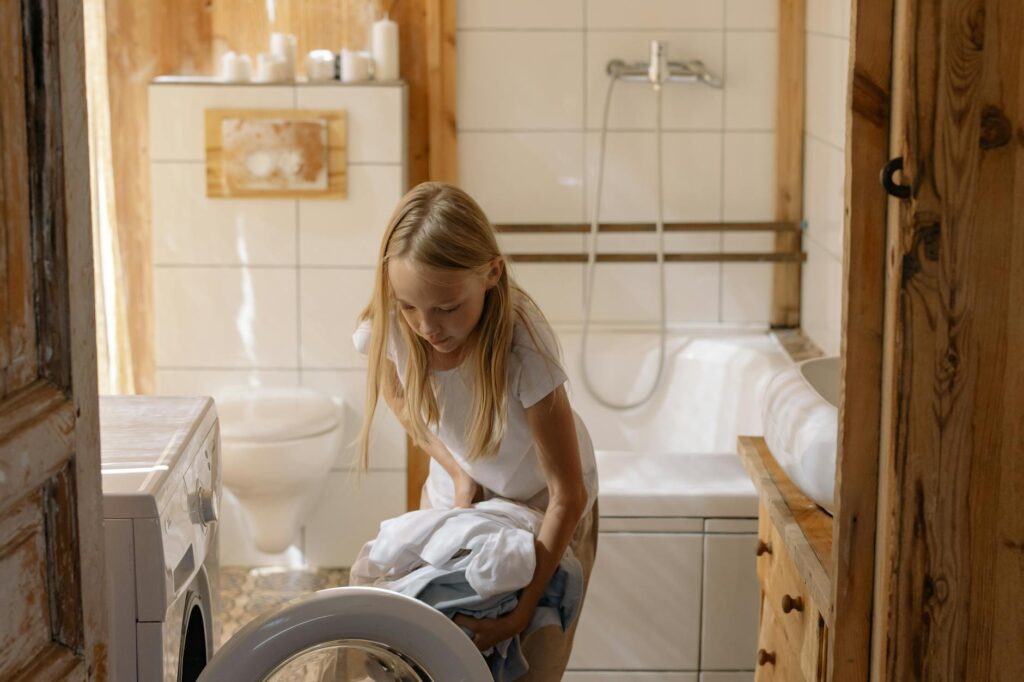
Mold in Laundry Stains Guide Part 2
Introduction
Mold stains in laundry can be a frustrating issue for homeowners. Not only do they ruin the appearance of your clothes and linens, but they can also emit unpleasant odors. In this guide, we’ll explore the causes of these stains, how to effectively remove them, and tips for prevention. Whether you’re dealing with a minor issue or a persistent problem, this guide will provide you with the actionable steps you need to restore your laundry to its original state.
What Causes Stains?
Mold stains in laundry are primarily caused by moisture. When clothes are damp and stored improperly, mold thrives. Here are some common culprits:
1. Humidity: High humidity levels in your home can contribute to mold growth.
2. Wet Laundry: Leaving wet clothes in the washing machine for extended periods is a prime cause.
3. Poor Ventilation: Lack of airflow in laundry rooms can create a perfect environment for mold.
4. Dirty Washers: Residue left in washing machines can foster mold growth.
5. Organic Materials: Clothes made of natural fibers like cotton can attract mold more easily than synthetic fabrics.
Why This Problem Happens
Understanding why mold stains occur can help you take preventive measures. Mold spores are ubiquitous in the environment and can easily find their way onto your laundry. When conditions are right—specifically, warmth and moisture—these spores begin to thrive.
In addition, mold can spread quickly. Once it establishes a foothold, it can penetrate fabric fibers deeply, making it more challenging to remove. If you frequently face this issue, consider the underlying factors in your laundry routine and storage habits.
How to Fix Stains (Step-by-Step)
Removing mold stains from laundry requires a straightforward process. Follow these steps for effective cleaning:
Step 1: Gather Supplies
You’ll need the following items:
- White vinegar or baking soda
- Hydrogen peroxide (3%)
- Liquid detergent
- A soft brush or sponge
- Hot water
- A bucket or basin for soaking
- Mix equal parts white vinegar and water in a spray bottle.
- Spray the affected area generously.
- Let it sit for at least 30 minutes before washing.
- Create a paste using baking soda and water.
- Apply to the stain and let it sit for 15 minutes.
Step 2: Pre-Treat the Stains
1. Vinegar Method:
2. Baking Soda Method:
Step 3: Wash the Clothes
1. Place the pre-treated items into your washing machine.
2. Use the hottest water safe for the fabric.
3. Add your regular detergent and, if necessary, an additional cup of white vinegar or baking soda for extra cleaning power.
Step 4: Dry the Clothes
1. Inspect the laundry before drying. If stains remain, do not dry them as heat can set the stain.
2. Instead, repeat the pre-treatment and washing steps as needed.
3. Once the stains are gone, dry the clothes in sunlight if possible, as UV light can help kill any remaining mold spores.
Best Cleaning Methods
Several cleaning methods can effectively eliminate mold stains. Here are the most reliable:
Vinegar
White vinegar is a natural mold killer. Its acidity helps break down the mold’s structure, making it easier to wash away.
Baking Soda
Baking soda not only removes stains but also acts as a deodorizer. It’s safe for most fabrics and effective in tackling tough odors.
Hydrogen Peroxide
Hydrogen peroxide is a powerful disinfectant. Use it cautiously, as it can bleach some fabrics. Always perform a patch test first.
Commercial Mold Removers
For persistent stains, consider using commercial mold removers specifically designed for fabrics. Always follow the manufacturer’s instructions.
Common Mistakes to Avoid
Avoid these pitfalls to ensure your efforts in removing mold stains are effective:
1. Ignoring Stains: Don’t let mold stains sit. The longer they remain, the harder they are to remove.
2. Using Cold Water: Cold water may not be effective in loosening mold stains. Always use the hottest water safe for the fabric.
3. Drying Before Removal: Heat can set mold stains, making them nearly impossible to remove.
4. Not Ventilating: Ensure your laundry area is well-ventilated to prevent future mold growth.
5. Overloading the Washer: A crowded washing machine can prevent clothes from getting clean. Wash in smaller batches if necessary.
Prevention Tips
Preventing mold stains in laundry is often easier than removing them. Here are some effective strategies:
1. Dry Clothes Promptly: Remove wet clothes from the washer as soon as the cycle ends.
2. Use a Dehumidifier: If humidity is an issue, consider using a dehumidifier in your laundry room.
3. Improve Ventilation: Open windows or use fans to increase airflow in your laundry area.
4. Regularly Clean Your Washer: Run a cleaning cycle on your washing machine regularly to eliminate mold and mildew.
5. Store Clothes Properly: Ensure clothes are completely dry before storing them in closets or drawers.
Frequently Asked Questions
1. Can I use bleach to remove mold stains?
Bleach can kill mold but may not be suitable for all fabrics. It can also lead to discoloration, so use it cautiously and only on colorfast fabrics.
2. How can I tell if mold is present on my clothes?
Mold often appears as dark spots or patches, accompanied by a musty smell. Check for any discoloration or unusual odors in your laundry.
3. Is it safe to wash moldy clothes with other laundry?
It’s best to wash moldy clothes separately to prevent spores from spreading to other items.
4. How can I prevent mold from growing in my washing machine?
Leave the door open after each use to allow moisture to escape. Regularly clean your washing machine with vinegar or a specialized cleaner.
5. Why do my clothes smell musty after washing?
Musty odors can result from mold growth due to leaving wet clothes in the washer. Always remove clothes promptly and dry them thoroughly.
6. Can I use essential oils to prevent mold in laundry?
Certain essential oils, like tea tree oil, have antifungal properties. Adding a few drops to your wash can help reduce mold growth and leave a pleasant scent.
By following this guide, you can tackle mold stains in your laundry effectively and prevent future occurrences. With the right approach, your clothes can remain fresh, clean, and free from the unwanted presence of mold.